Modular and Prefab Construction: The Future of Home Building
The Real Story on Modular Homes in Denver: What 15 Years of Building Has Taught Me
I remember when mentioning "modular construction" meant watching clients' faces fall. They'd picture double-wides in trailer parks, not the architect-designed homes we were actually discussing. That was 2010. Fast forward to today, and I'm placing orders for modular components on projects where buyers specifically requested them—a complete reversal I never saw coming.
Walk through Denver's newer neighborhoods and you're passing modular homes without realizing it. No telltale signs, no obvious seams, nothing that screams "factory-built." Modern modular construction has evolved into something fundamentally different from what most people imagine, and the shift happened for concrete reasons. Manufacturing technology now exceeds on-site precision. Design software eliminated boxy limitations. Most importantly, Denver's housing market created conditions where modular's advantages—speed, predictability, quality control—suddenly mattered more than old stigmas.
The numbers tell the story. According to the Modular Building Institute, the U.S. modular construction market reached .1 billion in 2024, growing 1.3% faster than traditional construction. Colorado sits in the western region leading this growth at 4.9% a
ually. When I started building, modular represented less than 2% of new homes. Now the National Association of Home Builders reports that 7% of multifamily buildings use modular methods—the highest level in two decades.
What We're Actually Building
The terminology gets muddy fast, so let me clarify. True modular homes arrive as complete three-dimensional boxes with everything inside already finished. Electrical outlets work, faucets turn on, you could literally sleep in them before they leave the factory. Crane sets them on your foundation, crews co
ect utilities and seal joints, and you've got a house.
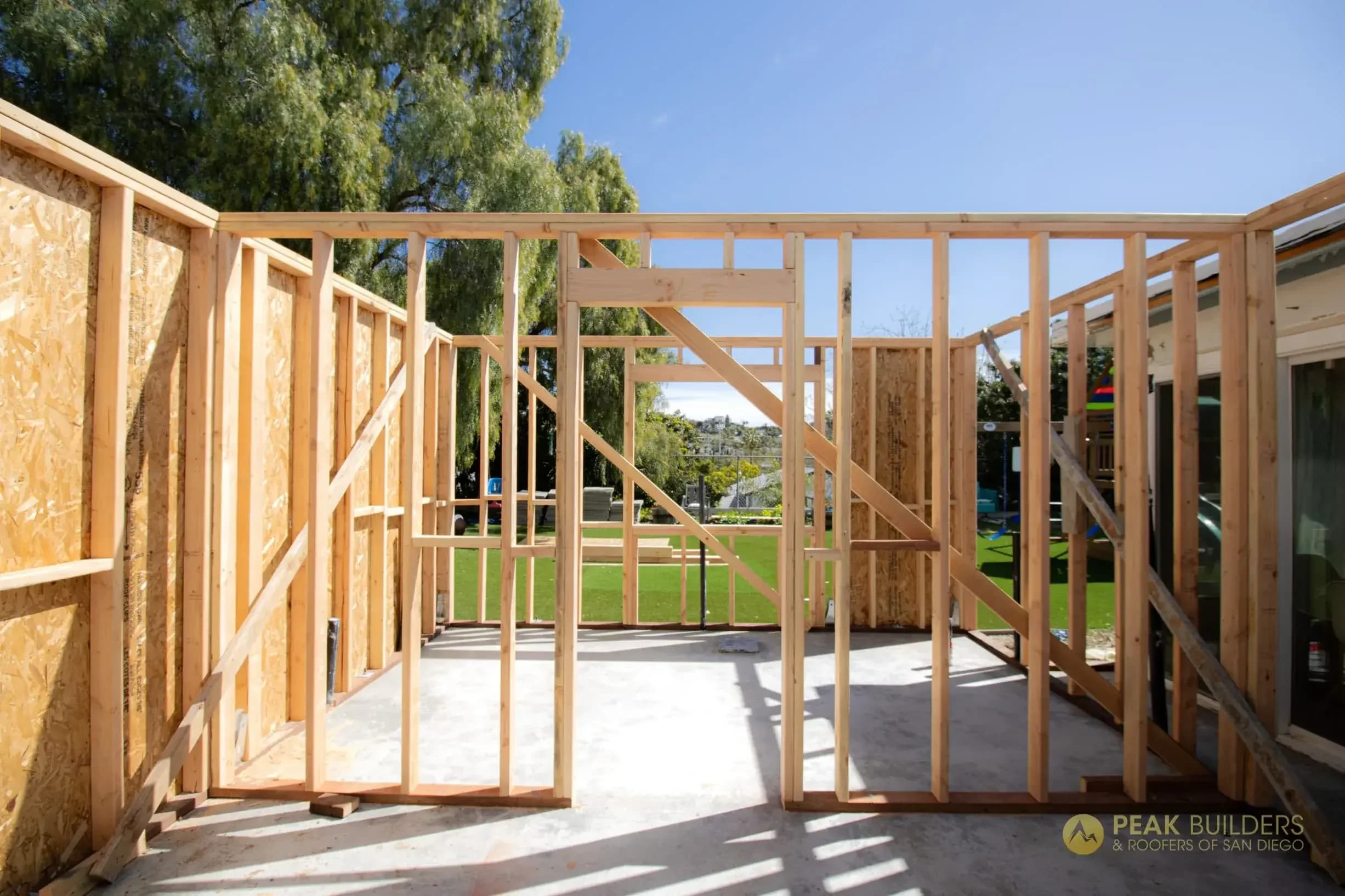
Prefabricated construction is broader and more common. Wall panels show up with windows already installed. Roof trusses arrive pre-assembled. Most builders I know now use prefab components on traditional projects without calling it "modular construction" at all. It's just become standard practice.
What matters isn't the label but understanding your options. Modern construction rarely fits neat categories. You might have a site-poured foundation, prefabricated wall panels, stick-framed roof, and modular bathroom pods all in the same house. We choose methods based on what works best for each component.
According to a comprehensive McKinsey analysis, approximately 42% of modular companies focus on steel framing while 38% use timber. Steel captures 47.8% of market revenue, offering superior strength-to-weight ratios that matter when shipping modules hundreds of miles.
The Quality Control Advantage Nobody Talks About
Here's something that changed my perspective entirely: watching a home get built during a three-week stretch of spring storms. The site-built project got soaked repeatedly. Framing lumber absorbed moisture, drywall got damp before installation, and we spent extra days drying things out and replacing damaged materials. Meanwhile, the modular project's components sat in climate-controlled factory space, completely protected.
That protection matters more than most buyers realize. Lumber that gets wet during construction can warp later, creating nail pops and drywall cracks. Insulation exposed to moisture loses R-value permanently. None of these problems show up during final walkthrough, but they affect your home for decades.
Factory precision is genuinely impressive now. Computer-controlled saws cut studs to exact lengths. Automated systems ensure consistent spacing. I've measured modular wall sections with tolerances under 1/16 inch—better than code requires and better than typical site construction achieves.
The inspection advantage surprised me initially. Building inspectors visit factories and examine components before walls close up. They see every stud, every wire, every pipe co
ection. As the NAHB notes, all system-built homes receive dual inspection: third-party inspection before leaving the factory, then local building inspector on-site. Compare that to traditional construction where inspectors might spend 20 minutes checking framing before drywall covers everything forever.
Here's a statistic that surprised even me: modular structures can withstand winds up to 180 mph according to structural testing. That's because modules must survive shipping and crane lifting, so manufacturers add extra lumber and fasteners. Those structural reinforcements become permanent advantages.
The Sustainability Story That's Reshaping the Industry
I'll be honest—sustainability wasn't why I first embraced modular construction. Efficiency and quality mattered more to me. But the environmental numbers have become impossible to ignore, and increasingly, my clients care deeply about building responsibly.
Construction waste tells a dramatic story. According to the Waste & Resources Action Program (WRAP), modular construction reduces waste from timber, cardboard, plastics, and concrete by up to 90%. That's not a typo. Factory production optimizes cutting patterns, recycles systematically, and eliminates the inevitable damage from weather exposure and job-site chaos.
On traditional projects, I've watched dumpsters fill with cutoffs shorter than two feet, perfectly good materials damaged by rain, and packaging scattered across sites. Factories treat materials differently because waste costs them money directly. Every cutoff gets categorized: long enough for another use, recyclable, or actual waste. The system naturally minimizes what leaves as garbage.
Carbon emissions matter too. A 2022 peer-reviewed study found prefabricated construction reduces embodied carbon by 16.39% compared to traditional methods. California housing research expanded this, showing reductions between 2-22% depending on materials and factory location. Design firm Arup reports up to 67% less energy involved in modular building construction.
For context: the European Commission estimates construction causes roughly one-third of global waste and nearly 40% of total CO2 emissions. Any meaningful reduction matters.
Energy efficiency during operation adds long-term value. The tight construction tolerances in factory-built homes translate to fewer air leaks. Properly designed modular buildings can cut energy use by 40-50% compared to code-minimum construction. Over a 30-year mortgage, that's real money in your pocket while reducing your home's environmental footprint.
The Money Conversation Everyone Wants
Let's talk numbers, because cost drives most construction decisions. Modular homes typically run 10-25% less than comparable site-built construction according to multiple industry analyses. In Denver's current market, that's ,000-,000 on a ,000 home.
But here's where Colorado gets interesting. EcoMod, a modular manufacturer in Hudson, delivers homes at approximately per square foot according to Colorado Sun reporting. Compare that to Denver's average of per square foot for traditional construction. That difference funds a lot of upgrades—or keeps a home within reach for families priced out of conventional building.
Labor costs drop significantly. Factory workers are more efficient because they're doing the same tasks repeatedly in controlled conditions. No time lost to weather, no waiting for inspections, no coordinating multiple trades across a chaotic job site. McGraw-Hill Construction found modular construction reduces labor costs by 16-25%.
Weather delays vanish. Traditional construction in Colorado loses weeks to snow, rain, and temperature extremes. Every delay costs money—extended construction loans, temporary housing, rescheduled trades. Modular construction eliminates most weather risk because production happens indoors.
Budget predictability improves dramatically. Factory pricing locks in most costs upfront. You know what the building costs before production starts. Compare that to traditional construction where change orders, material price fluctuations, and unexpected conditions regularly push budgets 10-15% over estimates.
Financing Has Finally Caught Up
Five years ago, financing modular construction meant explaining the concept to skeptical lenders who treated it like exotic financing. That's changed dramatically.
Today's options mirror traditional home financing. Construction-to-permanent loans provide single closings with flexible terms and 5-20% down payments. FHA loans accept modular homes on permanent foundations with as little as 3.5% down. USDA loans work in eligible rural areas—potentially with zero down payment if you meet income requirements. VA loans offer zero down for qualifying military buyers.
The 2025 financing landscape includes some i
ovations worth knowing. Green financing programs now offer rebates up to ,000 for solar panels or energy-efficient insulation—benefits that pair naturally with modular's already-efficient construction. AI-driven underwriting has cut approval times by up to 50% according to industry sources.
Appraisals remain the one area requiring attention. Some appraisers unfamiliar with modern modular construction still undervalue these homes. The solution: work with lenders specializing in modular financing who use appraisers experienced with factory-built homes. They evaluate the finished product, not the construction method—which is exactly right.
Long-term value holds up well. Energy efficiency means lower utility bills—typically 20-30% less than code-minimum construction. Resale values now match comparable site-built homes because appraisers assess location, size, condition, and comparable sales rather than construction methodology.
Colorado's Game-Changing New Laws
Here's where Denver homeowners need to pay attention, because Colorado just fundamentally changed the modular landscape.
Senate Bill 25-002, effective August 6, 2025, prohibits counties and municipalities from imposing more restrictive standards on factory-built structures than they apply to site-built homes in the same zones. Translation: local governments can no longer discriminate against modular construction. The state allocated ,000 for implementation—they're serious about enforcement.
Even more significant for many homeowners: HB 24-1152 requires cities with 1,000+ residents to allow one 500-800 square foot accessory dwelling unit (ADU) per single-family lot, effective June 30, 2025. The law eliminates off-street parking mandates, owner-occupancy restrictions, and HOA bans that previously blocked ADU development. Denver approved citywide ADU allowance across all residential zones in November 2024.
This matters because modular ADUs represent one of the fastest, most cost-effective ways to add housing. EcoMod claims they've installed ADUs in as little as 30 minutes. Even accounting for foundation work and utility co
ections, you're looking at weeks rather than months.
State funding supports these changes. The Accessory Dwelling Unit Grant Program awarded ,525 to seven communities in its first round. Up to million is appropriated for low- and moderate-income homeowner loans and down-payment assistance for ADU construction. Habitat for Humanity Metro Denver now offers seven low-cost ADU designs pre-approved by city regulators.
Colorado needs approximately 34,000 new homes per year over the next decade to address a housing gap between 106,000 and 180,000 units. Modular construction offers one of the few realistic paths to that scale.
Local Manufacturers Worth Knowing
Colorado's modular manufacturing ecosystem has expanded dramatically. The state is actively investing in these companies through loans and grants:
EcoMod (Hudson): Building container-based modular homes with a million state loan plus ,000 grant. At scale, they project capacity for 750 homes a
ually at costs 30% below traditional construction. Their focus on workforce development creates local jobs while addressing housing needs.
Vederra Modular (Aurora): Specializing in net-zero modular construction with a million line of credit plus .8 million loan from the state. Their energy-positive designs appeal to environmentally conscious buyers willing to pay slightly more for dramatically lower operating costs.
BYLD (Aurora, Brighton, Denver): Using light gauge metal framing for ADUs and modular systems with a .75 million state loan. Their approach particularly suits urban infill projects where lightweight construction simplifies foundation requirements.
Having local manufacturers matters. Transportation costs and logistics improve significantly when modules travel 50 miles rather than 500. Lead times shrink. Service relationships become more practical. And you're supporting Colorado's economy rather than importing from distant factories.
The Timeline That Actually Matters
Speed sounds nice in theory but becomes crucial when you're facing real deadlines. We had clients last year whose lease ended September 1st with no renewal option. Traditional construction would have meant temporary housing for months. Modular construction meant move-in by late August.
Here's how the timeline actually works. Site crews start foundation and utility work while the factory simultaneously builds your home. This parallel construction cuts total time dramatically:
-
Foundation: 2-4 weeks
-
Factory production: 6-10 weeks (happening simultaneously)
-
Module placement and finishing: 1-3 weeks
-
Total timeline: 3-4 months versus 8-12 months for traditional construction
McKinsey's research confirms this, finding modular construction can shorten project timelines by up to 50%. The Center for American Progress reports similar 30-50% acceleration across various project types.
That's not marketing hype—it's what we've consistently delivered on completed projects. Weather independence matters more in Colorado than many places. Spring snowstorms delay traditional projects by weeks. Factory production continues regardless of weather, ensuring predictable completion dates.
Every month of construction loan payments, temporary housing, or dual housing costs adds up. Time savings of 3-5 months typically translate to ,000-,000 saved in carrying costs alone. Earlier occupancy means earlier rental income for investment properties.
Design Flexibility Has Changed Everything
The biggest objection I used to hear: "I don't want a cookie-cutter house." Fair enough—neither would I. But that criticism reflected modular construction from 20 years ago, not today's reality.
Modern manufacturing supports extensive customization within standardized frameworks. AI-driven architectural modeling allows designers to create unique homes while maintaining production efficiencies. You select architectural finishes, floor plan variations, and system specifications from catalogs of options rather than starting from scratch—but those catalogs now include thousands of choices.
BIM (Building Information Modeling) technology has transformed what's possible. Designs that would have been prohibitively complex for factory production now flow directly from computer models to manufacturing systems. Three-dimensional printing enables complex building components with unprecedented precision.
Hybrid approaches have become increasingly common. Modern buildings use prefabricated bathroom pods and mechanical rooms while building custom architectural features on-site. This captures factory efficiency for standardized components while preserving design freedom where it matters most.
The homes I'm building now include vaulted ceilings, custom built-ins, and architectural details that look nothing like manufactured housing stereotypes. Modules accommodate virtually any exterior finish—fiber cement, brick veneer, stucco, stone. Once installed and finished, there's genuinely nothing distinguishing them from traditional construction.
Challenges We're Still Solving
Honest assessment matters, so let me address the real challenges that remain.
Transportation logistics: Modules often exceed standard legal road limits for size and weight. Route limitations from narrow streets and low bridges affect delivery options. Timing and sequencing matter—out-of-order delivery creates expensive storage problems. Solutions include real-time GPS tracking, just-in-time delivery coordination, and specialized heavy-haul equipment, but logistics require more pla
ing than simply ordering materials delivered to a job site.
Local expertise gaps: Not every contractor knows how to properly set modules, seal joints, or complete site work efficiently. Installation quality affects long-term performance significantly. Choosing builders with modular experience—or training traditional crews properly—remains important.
Design constraints: While flexibility has improved dramatically, true custom architecture still favors site-built construction. If you want a 30-foot cantilever or unusual geometries, modular may not be your best option. Most homes fit comfortably within modular's capabilities, but edge cases exist.
Perception lag: Some buyers, appraisers, and neighbors still carry outdated stereotypes. This is changing rapidly—especially as more high-quality modular homes appear in desirable neighborhoods—but complete perception shift takes time.
The labor shortage actually helps modular construction. The industry needs approximately 439,000 new workers in 2025 according to Associated Builders and Contractors, with 92% of firms struggling to find qualified workers. Modular requires fewer skilled workers because factory settings allow specialization and training, making it easier to scale production while traditional construction remains labor-constrained.
Lifespan and Durability: The Long View
How long will a modular home last? This question comes up constantly, usually from people worried about building something temporary.
The answer: 50-100+ years with proper maintenance, identical to traditional construction. Some industry sources cite 100-150 year lifespans. The home's longevity depends on construction quality, materials used, maintenance performed, and environmental conditions—factors that affect all homes regardless of construction method.
Several factors actually favor modular durability:
- Structural reinforcement: Modules must survive transportation and crane installation, requiring additional lumber and co
ections that become permanent structural advantages
-
Moisture protection: Factory construction eliminates weather exposure during the vulnerable framing phase, preventing moisture damage that causes long-term problems in site-built homes
-
Quality control: Factory inspection catches issues before components ship, while site-built defects often hide behind drywall
-
Consistent execution: Specialized workers performing the same tasks repeatedly achieve better results than crews juggling multiple job sites with varying conditions
Insurance companies and lenders evaluate modular homes using the same criteria as traditional construction. They wouldn't accept them as collateral or insure them against identical risks if durability concerns existed.
Questions to Ask Before Going Modular
Based on projects that went smoothly and those that didn't, here's what I'd recommend asking:
About the manufacturer:
-
How many homes have you produced? (Experience matters)
-
Can I visit the factory during production? (Good manufacturers welcome this)
-
What's your warranty coverage? (Compare to traditional construction warranties)
-
How do you handle warranty claims after installation? (Logistics matter)
About the builder/installer:
-
How many modular installations have you completed? (Minimum 10+)
-
What's your process for sealing module joints? (Critical for weatherproofing)
-
How do you handle the foundation-to-module co
ection? (Affects structural integrity)
- Who completes interior finishing work? (Some builders, some specialized crews)
About your site:
-
Can a crane access the property? (Required for module placement)
-
Are there overhead power lines or trees blocking crane swing? (Common issues)
-
Is the access road adequate for module delivery trucks? (Weight and turning radius matter)
-
How will utilities co
ect? (Plan this before module order)
About financing:
-
Has your lender financed modular construction before? (Experience smooths the process)
-
What's the draw schedule during factory production? (Different from site-built)
-
Will your appraiser use modular-specific comparables? (Affects valuation)
The Future Is Already Here
The World Economic Forum projects the global modular construction market reaching billion by 2030. Future Market Insights forecasts growth from .5 billion in 2025 to .9 billion by 2030.
These aren't aspirational projections—they reflect trends already underway. The Modular Building Institute reports the strongest expansion in lodging (9.2% a
ual growth), followed by office and data center construction (7.1%). Multifamily residential shows the highest market share in two decades.
Technology will accelerate these trends. Smart building systems integrated during factory production rather than retrofitted later. AI-driven design enabling taller buildings, more complex configurations, and broader material options. Robotics handling repetitive tasks while skilled workers focus on craftsmanship.
McKinsey's research shows companies using modular construction for permanent buildings achieving weighted average EBITDA of approximately 7%. Several modular manufacturers have scaled internationally. The industry has professionalized significantly from its trailer-park origins.
Making the Decision
Modular construction isn't right for every project. Custom architectural homes with unusual geometries, sites with difficult crane access, or buyers who want complete design freedom from scratch may still prefer traditional construction.
But for the majority of residential projects—especially in markets like Denver where costs, timelines, and labor availability create challenges—modular construction offers compelling advantages. Lower costs. Faster completion. Better quality control. Reduced environmental impact. Predictable budgets.
The stigma has faded because results speak for themselves. Neighbors can't tell the difference. Appraisers value the homes equivalently. Insurance and financing work identically. All that remains is construction that's faster, more efficient, and often higher quality than traditional methods.
After 15 years building in Denver, I've stopped thinking of modular as an alternative approach. It's just good construction—factory precision meeting site-built customization. The homes I'm proudest of include both methods, chosen based on what works best for each component rather than ideology about construction philosophy.
If you're considering new construction in Denver, explore modular options seriously. The technology has evolved, the regulatory environment has improved, and local manufacturers offer choices that didn't exist five years ago. The old assumptions no longer apply.
Peak Builders has guided Denver homeowners through modular projects ranging from ADUs to full custom homes. We help navigate manufacturer selection, coordinate site preparation, and ensure installation meets our quality standards. Contact us for a free consultation to explore whether modular construction fits your project.
Real Projects: What Denver Families Are Building
Abstract statistics mean less than seeing what people actually build. Here are examples from recent Denver-area modular projects that illustrate different approaches and price points.
The Downsizing Retirees (Lakewood): Empty nesters wanted to move from their 3,500 square foot home to something manageable. They chose a 1,600 square foot modular ranch with aging-in-place features—wider doorways, curbless shower, single-level living. Total cost: $285,000 including foundation, site work, and landscaping. Timeline: 4.5 months from permit to move-in. Comparable site-built estimates ranged $340,000-$380,000 with 9-11 month timelines.
The ADU Investment (Park Hill): A young family added a 650 square foot detached ADU behind their 1940s bungalow to house aging parents. Modular delivery and installation took two days; total project including foundation and utility co
ections completed in 8 weeks. Cost: $165,000. They now have multigenerational living without the strain of remote caregiving or assisted living costs.
The Custom Modern (Golden): Architects designed a 2,800 square foot mountain contemporary using hybrid construction—modular core sections with site-built great room featuring 18-foot ceilings and floor-to-ceiling windows. Factory components provided speed and budget certainty for bedrooms, bathrooms, and mechanical spaces. Custom site work delivered the architectural statement the owners wanted. Total: $625,000 versus $750,000+ for fully site-built, completed 5 months faster.
The Spec Builder (Aurora): A small developer used modular construction for a four-home project targeting first-time buyers. Identical floor plans with varied exterior finishes created neighborhood variety while capturing factory efficiency. Per-home costs ran $245,000; comparable site-built competitors priced $290,000-$310,000. All four sold before completion—buyers appreciated the quality and shorter wait times.
Energy Efficiency: The Hidden Long-Term Value
I spend considerable time explaining energy efficiency because it affects your monthly costs for decades—far longer than construction financing or temporary inconveniences.
Factory construction inherently supports better energy performance through several mechanisms:
Precision air sealing: The biggest energy loss in most homes comes from air infiltration—conditioned air leaking out, unconditioned air leaking in. Factory-built wall panels achieve tighter tolerances than site construction because assembly happens on flat tables under ideal conditions. Co
ections get inspected before shipping. The result: fewer gaps where air escapes.
Consistent insulation: Insulation that gets compressed, wet, or poorly fitted loses R-value. Factory installation eliminates weather exposure and ensures proper filling of all cavities. I have seen site-built homes with beautiful exteriors hiding insulation gaps that cost homeowners $50-100 monthly in wasted energy.
Integrated systems: Modern modular manufacturers design heating, cooling, and ventilation as integrated systems rather than afterthoughts. Duct runs are shorter and better sealed. Equipment locations optimize efficiency. ERV (Energy Recovery Ventilation) systems can be factory-installed rather than retrofitted.
What does this mean in practice? Properly designed modular homes typically achieve energy bills 20-30% below code-minimum construction. For a Denver home with average $200 monthly utility costs, that is $480-$720 a
ual savings—$14,400-$21,600 over a 30-year mortgage. Some high-performance designs achieve 40-50% reductions.
Net-zero construction takes this further. Vederra Modular in Aurora specializes in homes that produce as much energy as they consume a
ually through efficient design plus solar panels. Higher upfront cost, but imagine never paying utility bills. Over decades, the math often favors initial investment in efficiency.
Detailed Cost Breakdown: Where Your Money Goes
Understanding cost components helps you evaluate quotes and identify value-engineering opportunities. Here is a typical breakdown for a $400,000 Denver modular home:
Foundation and site preparation: $35,000-$50,000 (9-12%) Includes excavation, concrete foundation or crawl space, utility rough-ins, and grading. Site conditions vary dramatically—flat lot with good soil versus sloped lot with rock can differ by $20,000+. This component remains similar to site-built construction.
Module manufacturing: $180,000-$220,000 (45-55%) The factory-built structure including framing, exterior sheathing, windows, doors, roofing, interior drywall, electrical wiring, plumbing rough-in, HVAC ductwork, insulation, and interior trim. This is where modular delivers primary savings through factory efficiency.
Transportation and crane: $15,000-$25,000 (4-6%) Module delivery from factory to site plus crane rental for placement. Distance matters—local Colorado manufacturers save $5,000-$10,000 versus shipping from distant factories. Complex sites requiring larger cranes or multiple lift days cost more.
Set and finish: $45,000-$70,000 (11-18%) On-site work after module placement: sealing module joints, co
ecting plumbing and electrical between modules, installing final flooring, painting touch-ups, exterior finishing, and landscaping. Quality of this work significantly affects long-term performance.
Permits and fees: $8,000-$15,000 (2-4%) Building permits, utility co
ection fees, impact fees, and inspections. Denver fees have increased significantly—budget accordingly.
Contingency: $20,000-$30,000 (5-8%) Unexpected site conditions, design changes, or material upgrades. Modular projects typically need smaller contingencies because factory pricing is locked in, but site work still carries uncertainty.
Insurance and Permits: What You Need to Know
Insurance treatment of modular homes has improved dramatically. Major carriers—State Farm, Allstate, Farmers, USAA—write standard homeowners policies on modular homes without surcharges or restrictions. They evaluate risk based on construction quality, location, and replacement cost—not construction method.
One important distinction: modular homes on permanent foundations receive different treatment than manufactured homes on temporary foundations. The permanent foundation classification matters for insurance rates, financing options, and resale value. Ensure your project uses proper permanent foundation regardless of modular construction method.
Permit requirements mirror traditional construction because modular homes must meet identical building codes. Your jurisdiction issues permits for:
-
Foundation and site work (before module delivery)
-
Electrical co
ections (after module placement)
- Plumbing co
ections (after module placement)
- Final inspection (before occupancy)
The factory handles inspections during manufacturing under state oversight. Colorado-approved manufacturers have third-party inspectors visiting during production. This dual inspection—factory plus site—actually exceeds site-built inspection coverage.
HOA considerations vary. Some older HOAs have restrictions written before modern modular construction existed. Colorado's new SB25-002 helps by preventing discriminatory local standards, but HOA covenants operate under different legal frameworks. Review your CC&Rs carefully and consult with the HOA board before committing to modular construction if you have any concerns.
Common Myths That Need Correcting
Myth: Modular homes are basically trailers. Reality: Modular homes are built to the same local building codes as site-built homes. They use identical materials—2x6 framing, architectural shingles, fiber cement siding. The construction happens in a factory rather than on-site, but the finished product is indistinguishable. Manufactured homes (the modern term for mobile homes) are built to federal HUD codes, which differ from local building codes. These are entirely different products.
**Myth: You ca
ot customize modular homes.** Reality: Modern modular manufacturers offer extensive customization—floor plans, room sizes, ceiling heights, finishes, fixtures, and architectural details. True one-off custom designs may require site-built construction, but 90%+ of residential projects fit comfortably within modular capabilities.
Myth: Modular homes do not appreciate like regular homes. Reality: Federal Housing Finance Agency data shows modular homes on owned land appreciate at rates comparable to traditional homes. Appraisers evaluate location, size, condition, and comparables—not construction method. Any appreciation difference reflects lot ownership (owned versus leased land) rather than construction approach.
**Myth: You ca
ot get normal financing for modular homes.** Reality: Conventional, FHA, VA, and USDA loans all work for modular homes on permanent foundations. Construction-to-permanent loans handle the building phase. Some lenders specialize in modular financing with streamlined processes. The key is working with lenders experienced in modular construction who understand the draw schedule and timeline differences.
Myth: Modular construction only works for simple, small homes. Reality: Modular buildings now include hotels, apartment buildings, dormitories, and office buildings multiple stories tall. Residential modular has expanded to include multi-level homes, complex roof lines, and architectural features that were impossible a decade ago. Practical limits exist, but they are far beyond typical residential applications.
Step-by-Step Process Guide
For those ready to explore modular construction seriously, here is the typical process:
1. Initial research (2-4 weeks): Understand your lot constraints, zoning requirements, and budget parameters. Identify potential manufacturers and builders. Schedule consultations.
2. Design development (4-8 weeks): Work with manufacturer on floor plans, specifications, and customizations. Make selections for finishes, fixtures, and options. Review engineering for your specific site.
3. Permits and financing (4-8 weeks, overlapping with design): Submit building permits. Finalize construction loan. Coordinate utility co
ections with providers.
4. Foundation construction (2-4 weeks): Site preparation begins once permits are issued. Foundation poured and cured. Utility rough-ins completed.
5. Factory production (6-10 weeks, overlapping with foundation): Your modules are manufactured in the factory while foundation work proceeds on-site. Factory inspections occur during this phase.
6. Delivery and set (1-3 days): Modules transported to site and placed by crane. Multiple modules co
ected and secured to foundation.
7. Finishing work (2-4 weeks): Module joints sealed. Utility co
ections completed. Interior finishing touch-ups. Exterior work including landscaping.
8. Final inspections and occupancy (1-2 weeks): Local inspectors verify code compliance. Certificate of occupancy issued. Move-in.
Total typical timeline: 16-24 weeks versus 36-52 weeks for traditional construction.
Choosing the Right Partner
Success with modular construction depends heavily on choosing the right partners—both manufacturer and local builder. Here is what I look for:
Manufacturer evaluation: Look for established companies with track records exceeding five years. Request factory tours—reputable manufacturers welcome visitors. Ask for references from projects in your area. Review warranty terms carefully, particularly how warranty claims are handled across manufacturer-builder-homeowner relationships. Verify state certifications and third-party inspection programs.
Builder evaluation: Modular-specific experience matters more than general construction experience. Ask how many modular projects they have completed. Request references you can actually contact. Understand their approach to module setting, joint sealing, and finishing work. Clarify responsibilities for warranty service—who do you call if something goes wrong?
Red flags to avoid: Manufacturers or builders unwilling to provide references. Pressure to sign contracts quickly without time for due diligence. Pricing that seems too good to be true—it usually is. Lack of clarity about responsibilities during and after construction. No physical presence in Colorado or nearby states.
Peak Builders works with several modular manufacturers we have vetted over years of projects. We handle site preparation, coordinate deliveries, complete finishing work, and provide single-point-of-contact warranty service. This integration eliminates the finger-pointing that can occur when multiple unrelated parties share project responsibility.
Sources: Modular Building Institute, McKinsey & Company, National Association of Home Builders, Colorado General Assembly, Colorado Sun, Colorado Newsline, World Economic Forum, Future Market Insights, ScienceDirect
Final Thoughts: Building Smarter in Denver
Fifteen years ago, recommending modular construction felt risky. Clients worried about stigma, resale value, and whether quality could match traditional building. Today those concerns have largely dissolved, replaced by practical considerations about timeline, budget, and execution.
Denver's housing market creates ideal conditions for modular construction. High land costs mean faster construction translates to meaningful savings. Labor shortages make factory efficiency increasingly valuable. Weather variability creates delays that modular largely avoids. And new state legislation removes regulatory barriers that previously complicated projects.
The technology continues advancing. Manufacturing precision improves a
ually. Design software enables increasingly complex projects. New materials and systems expand what's possible. The gap between modular and site-built capabilities continues narrowing while modular's efficiency advantages remain.
For homeowners exploring new construction, modular deserves serious consideration. Not as a compromise or budget alternative, but as a construction approach with genuine advantages for many projects. The quality matches site-built. The costs typically run lower. The timeline cuts months from the process. And the homes themselves—well, you ca
ot tell the difference once they're finished.
That's the ultimate measure: would you rather have a great home four months from now, or an identical great home twelve months from now for more money? When you frame it that way, the choice becomes clearer.
Peak Builders has guided hundreds of Denver families through construction decisions. We evaluate each project individually, recommending modular when it offers advantages and traditional construction when it makes more sense. Our goal is getting you into the right home through the right process—not pushing any particular methodology. Reach out to discuss your project and explore whether modular construction fits your needs.
Related Resources
Services:
- ADU Construction - Modular ADU options
- Home Additions - Expand your living space
- Full Home Remodel - Complete renovations
- Basement Finishing - Alternative to additions
More Reading:
- ADU Construction Guide - ADU pla
ing and costs
- Sustainable Materials - Eco-friendly construction
- Home Additions Guide - Traditional expansion options