




Denver's housing stock is full of single-story bungalows and mid-century ranches that feel cramped the moment a family grows. Moving is expensive — and with today's mortgage rates, giving up a 3% loan to buy something bigger is a painful tradeoff. A home addition solves the space problem without giving up the house or the neighborhood.
Peak Builders has done 80+ additions across Denver metro. Here's what actually matters.
The Denver Pop-Top
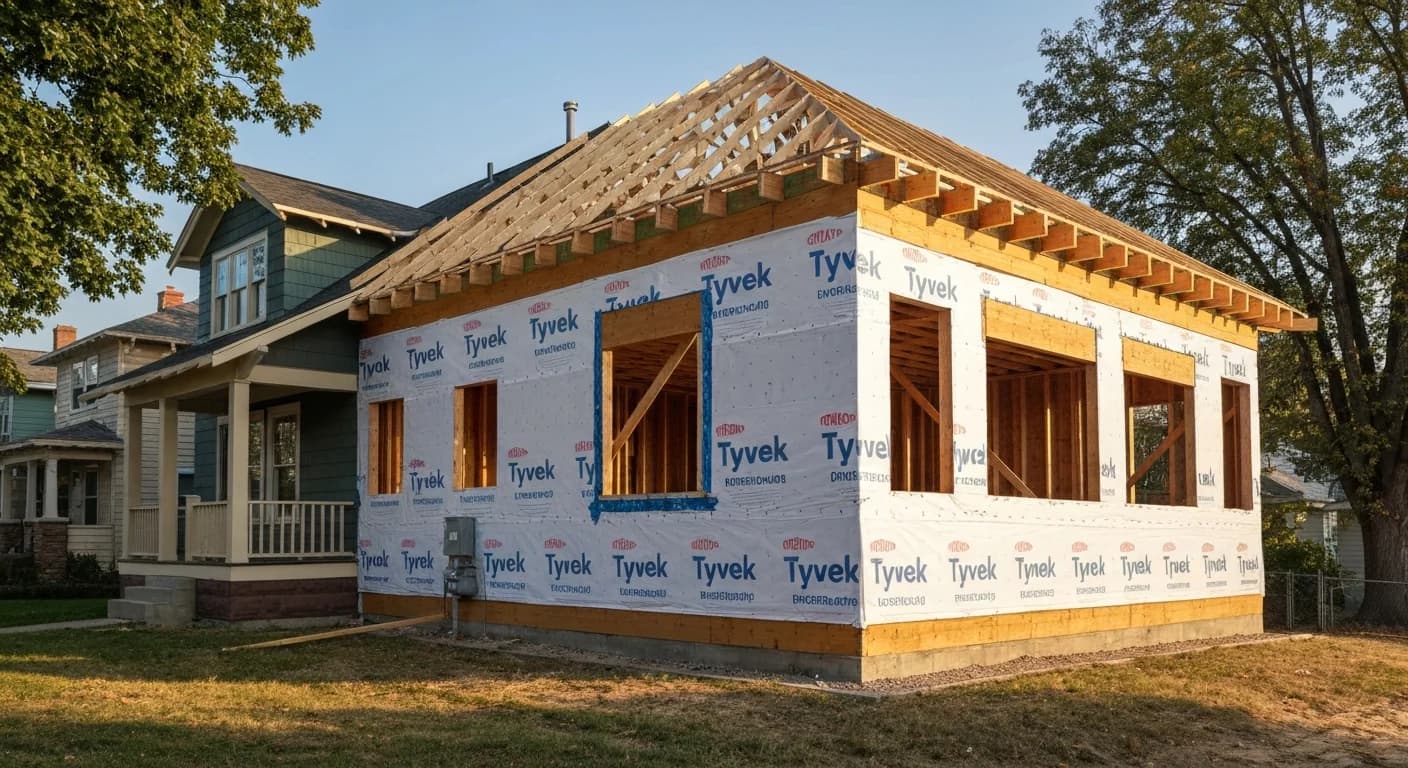
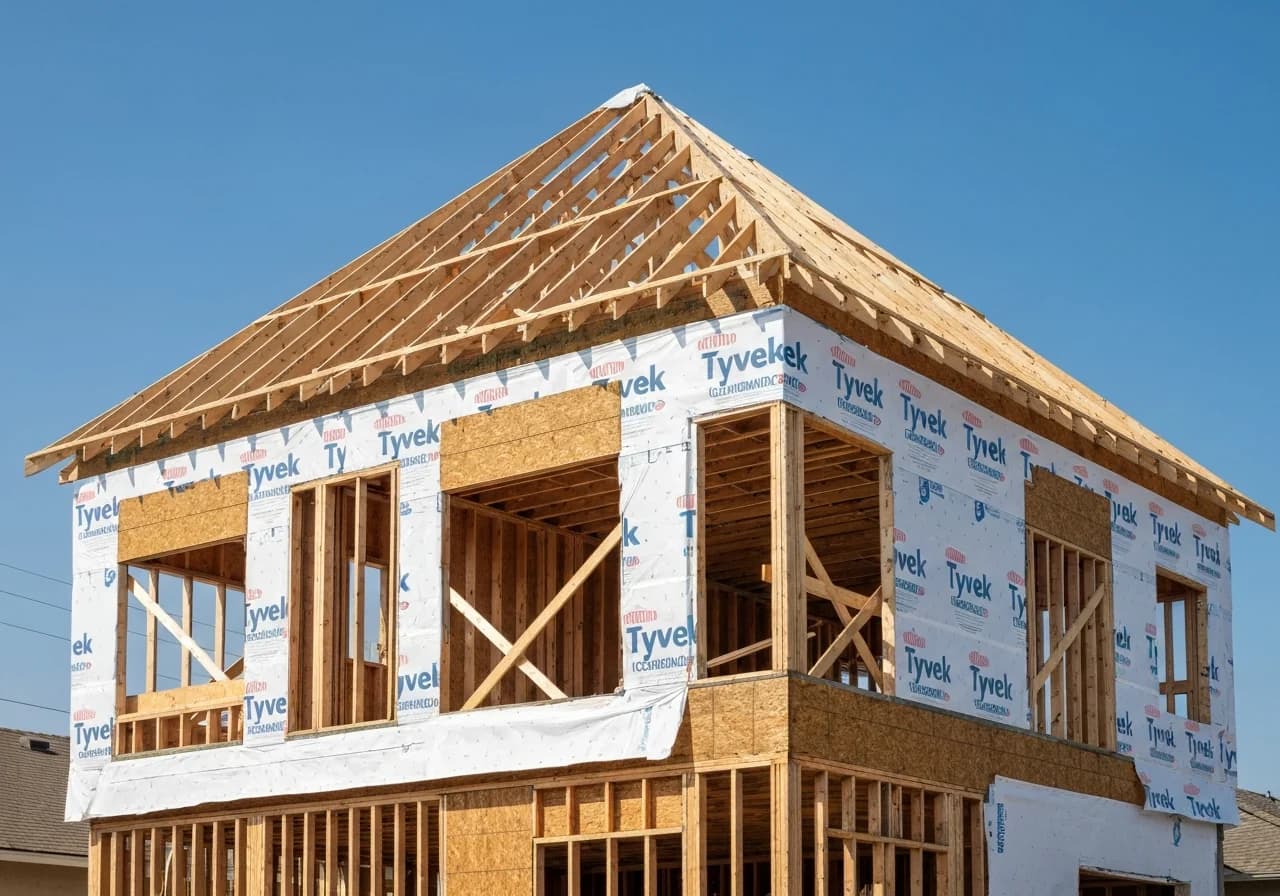
The most requested scope in Denver is a pop-top: building a full second story on top of an existing single-story ranch or bungalow. Park Hill, Wash Park, Platt Park, and Highlands neighborhoods are full of these projects because the lots support them, the neighborhoods support the value, and buyers recognize them.
A pop-top doubles your square footage without touching your footprint. It works well when the neighborhood already has two-story homes nearby — if yours is the only raised structure on a block of ranches, that can be a resale consideration worth discussing.
Structurally, pop-tops require engineering. Your existing foundation and framing weren't designed for a second story. Most single-story ranches need new floor joists, an LVL beam or two, and often foundation reinforcement around the perimeter. A licensed Colorado structural engineer is part of every pop-top project, not an optional add-on.
Rear Additions
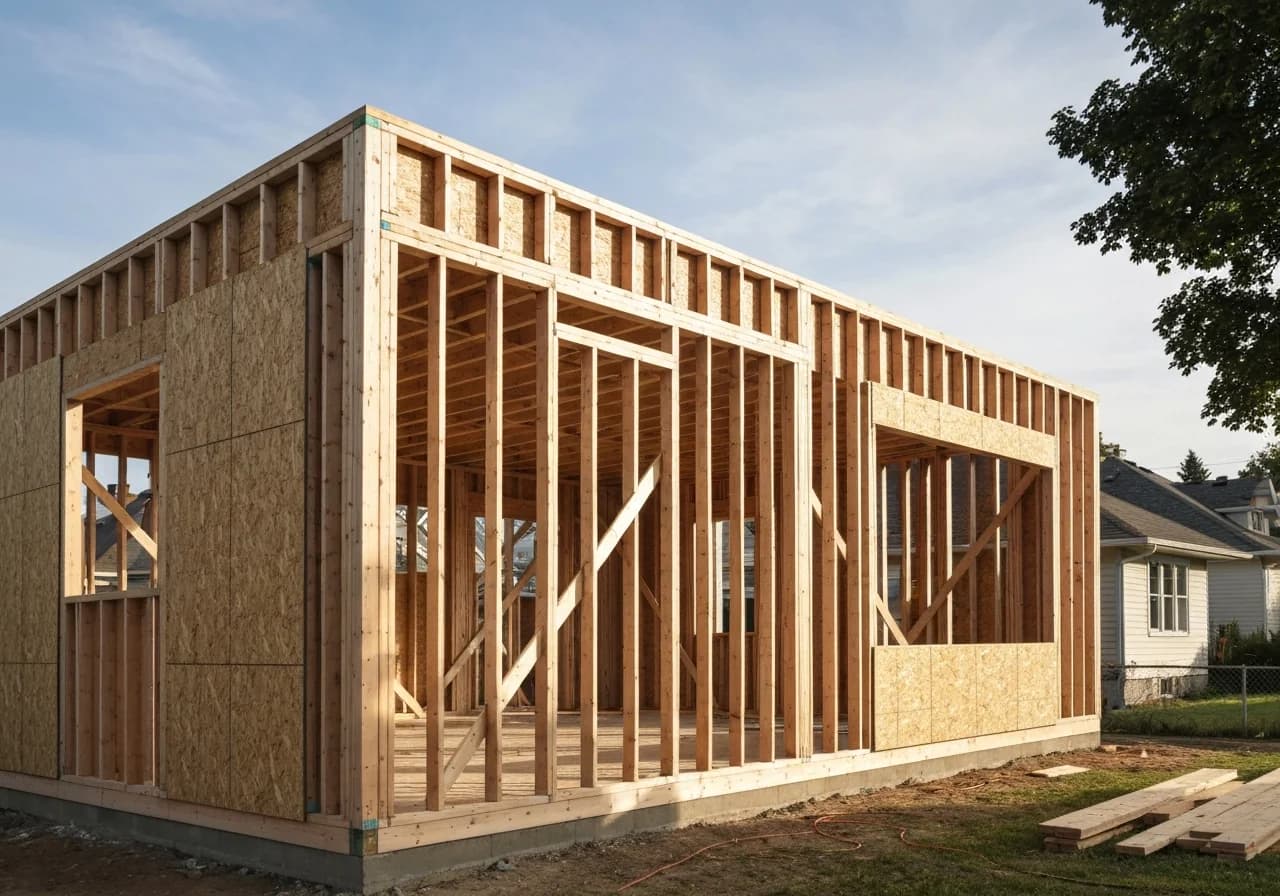
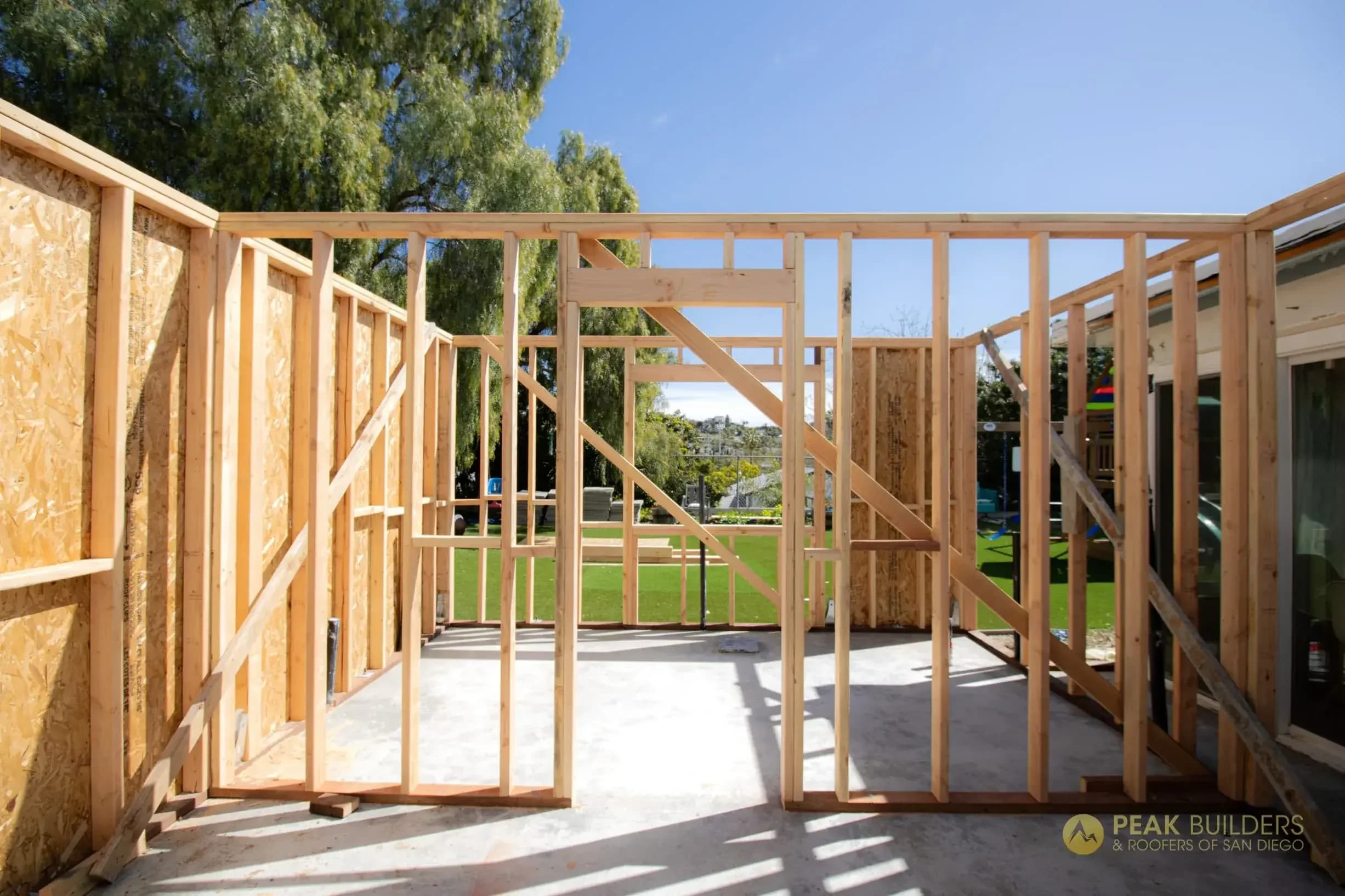
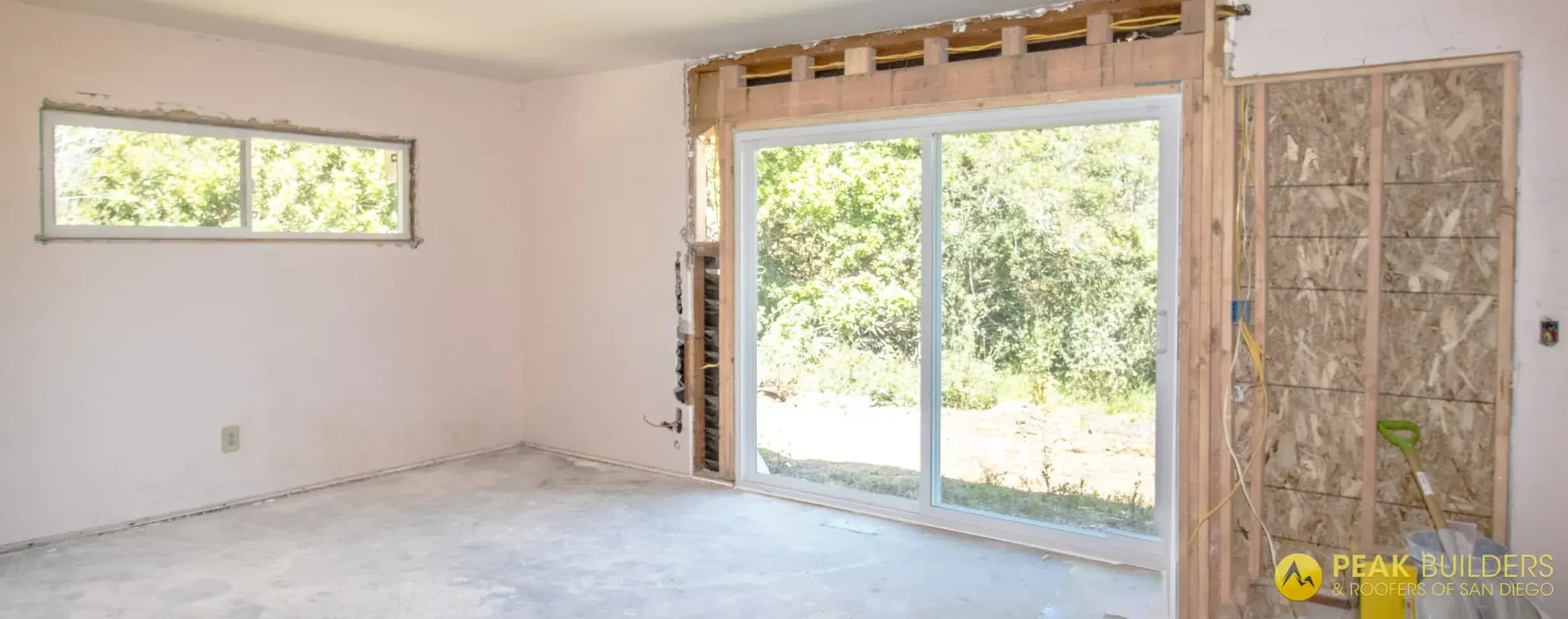
Expanding horizontally into the backyard works well for primary suite additions, kitchen expansions, family rooms, and in-law suites. Most clients can stay in the home during a rear addition — work stays separated from the main living area. Denver zoning setback rules apply, so the addition must maintain required distances from the property lines.
Garage Conversions
Converting an existing attached or detached garage into finished living space is the fastest and lowest-cost path to more square footage. Denver zoning typically requires you to account for the lost parking — either a new pad or a detached replacement. The structural work is lighter because you're working within an existing shell.
What to Expect from the Permit Process
Denver's building department is thorough. Pop-tops and rear additions with structural work typically take 6–10 weeks for permit approval. Historic districts (Wash Park, Country Club, parts of Capitol Hill) add Landmark Preservation Commission review — plan 8–12 additional weeks if your property has that overlay. We check this at the consultation before you commit to a schedule.
Our Approach
We do design, engineering coordination, permits, structural work, MEP (mechanical, electrical, plumbing), insulation, drywall, flooring, cabinets, and finish. One project manager from start to finish. The contract covers defined scope; any scope changes are written up and approved before work begins.
Getting Started
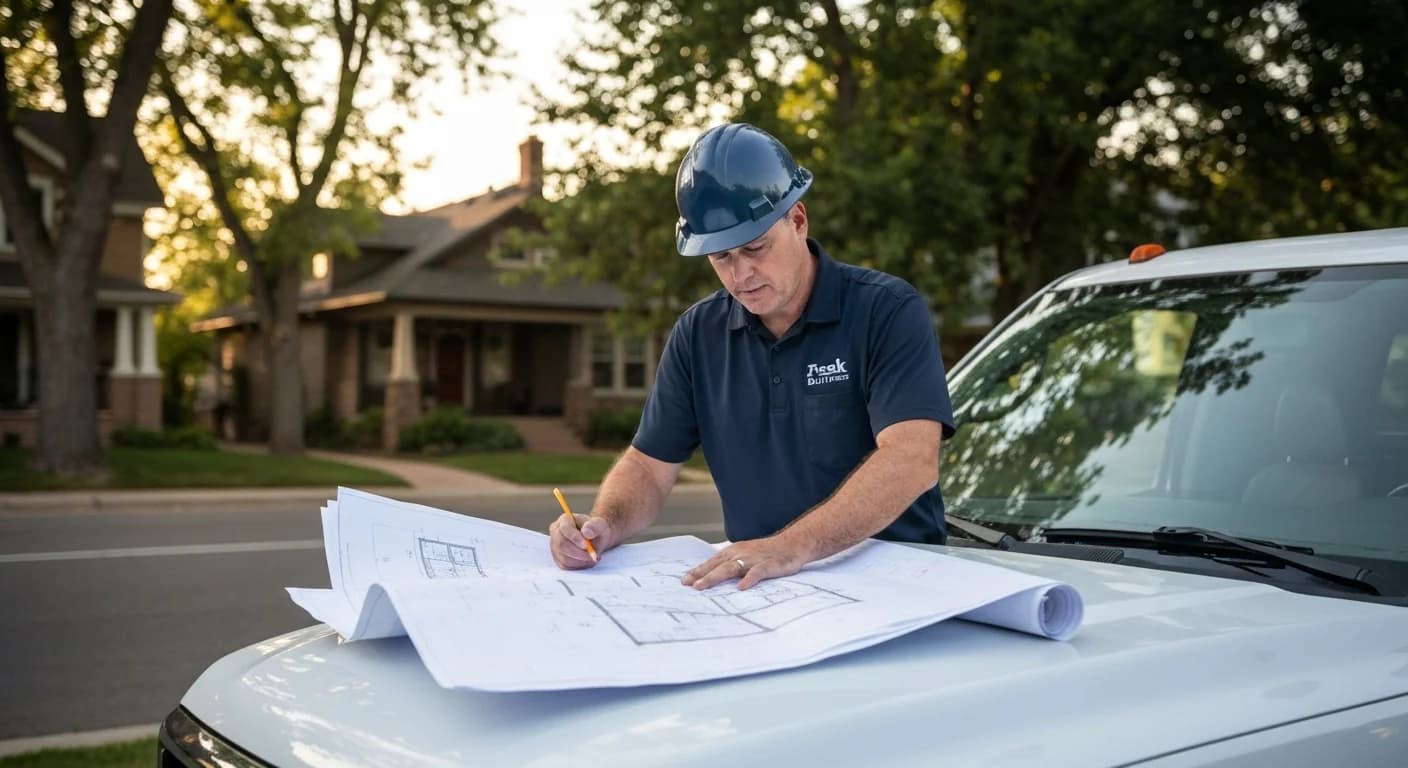
Book a free in-home consultation. We'll assess the structure, check zoning, and give you a clear picture of what's buildable and what's involved before you make any decisions.
Call (720) 605-7785 or book online.