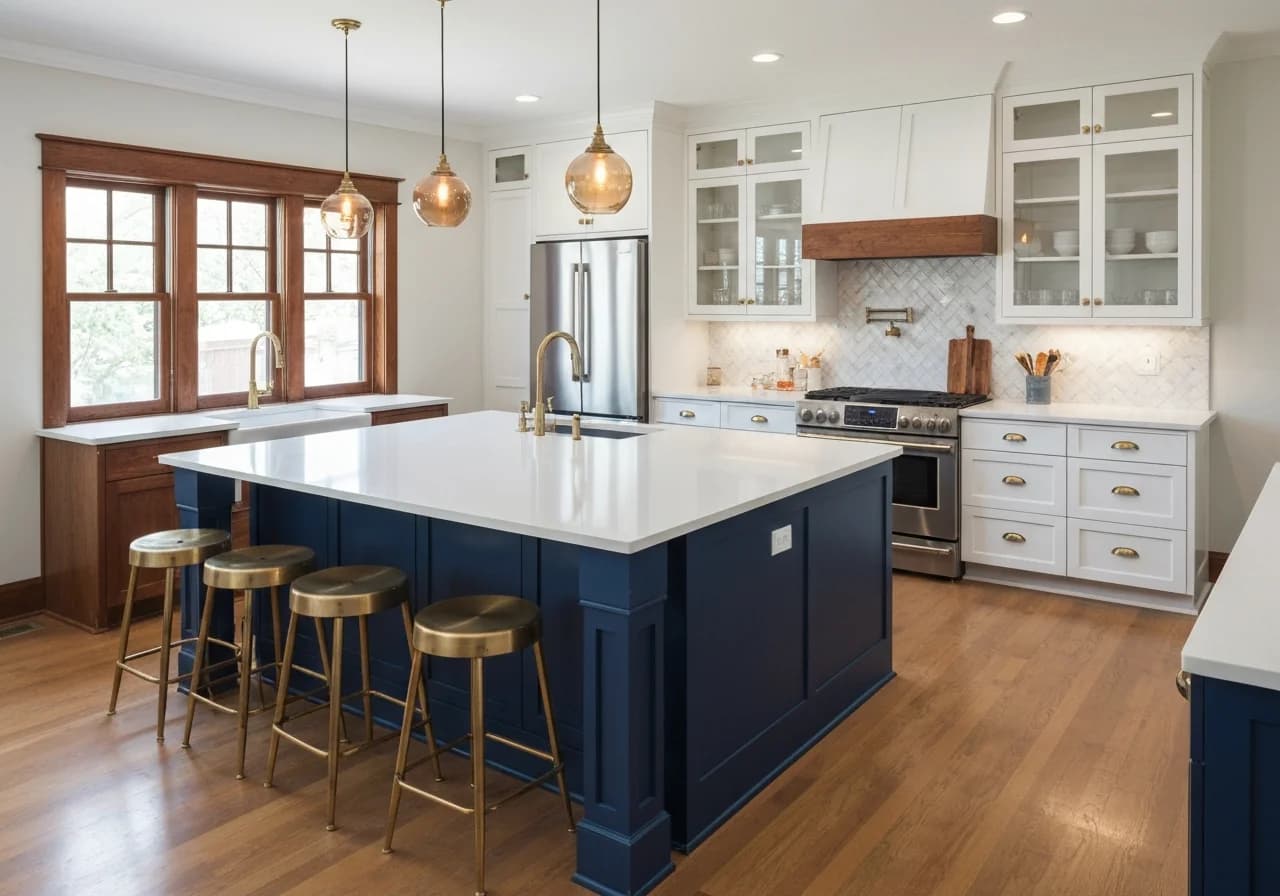
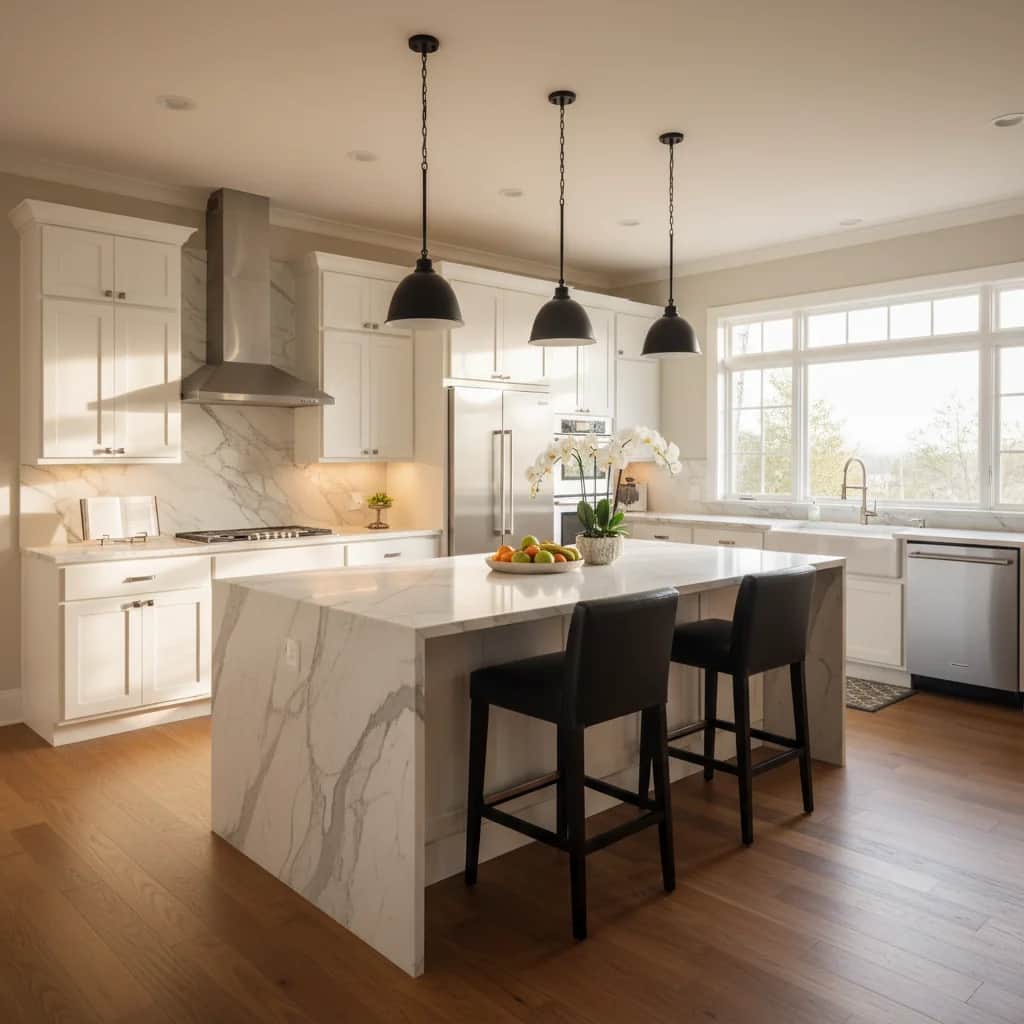
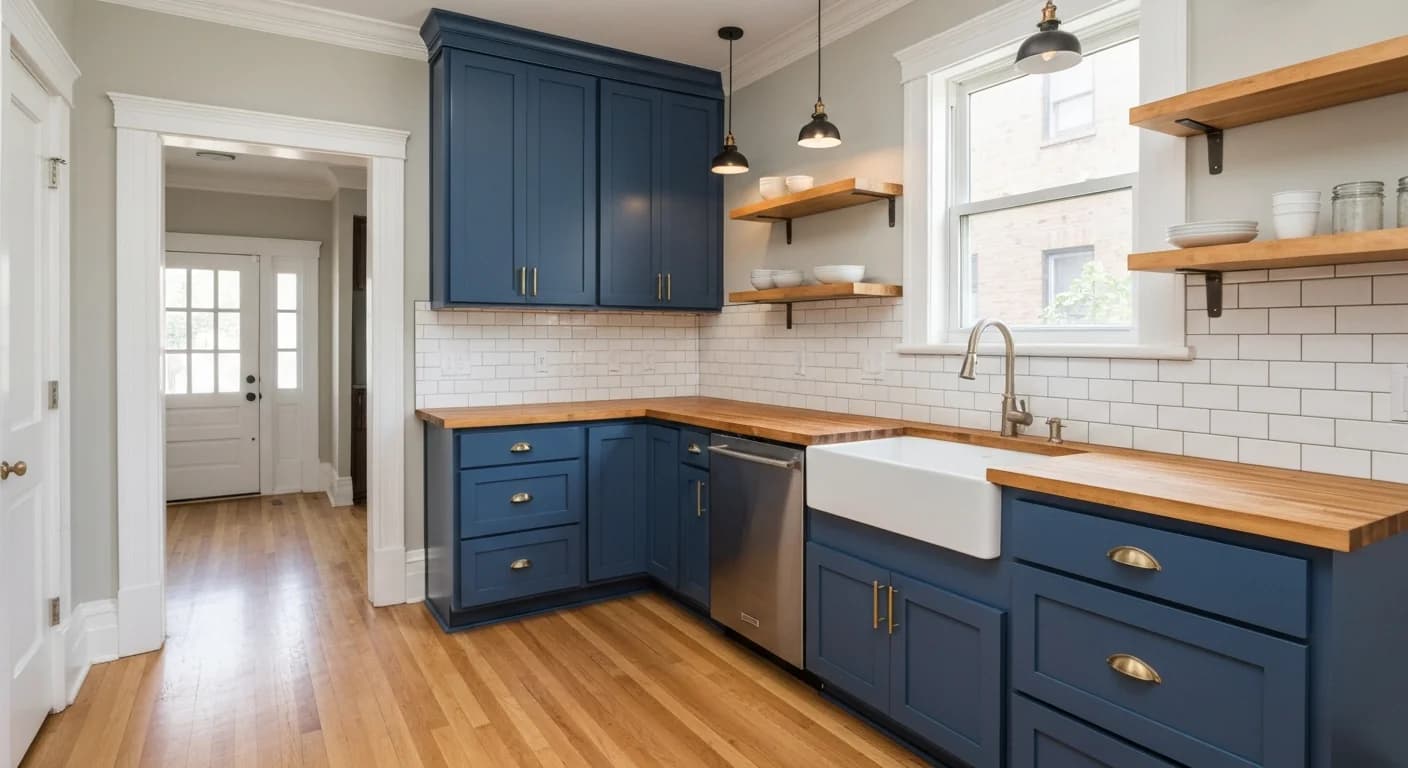
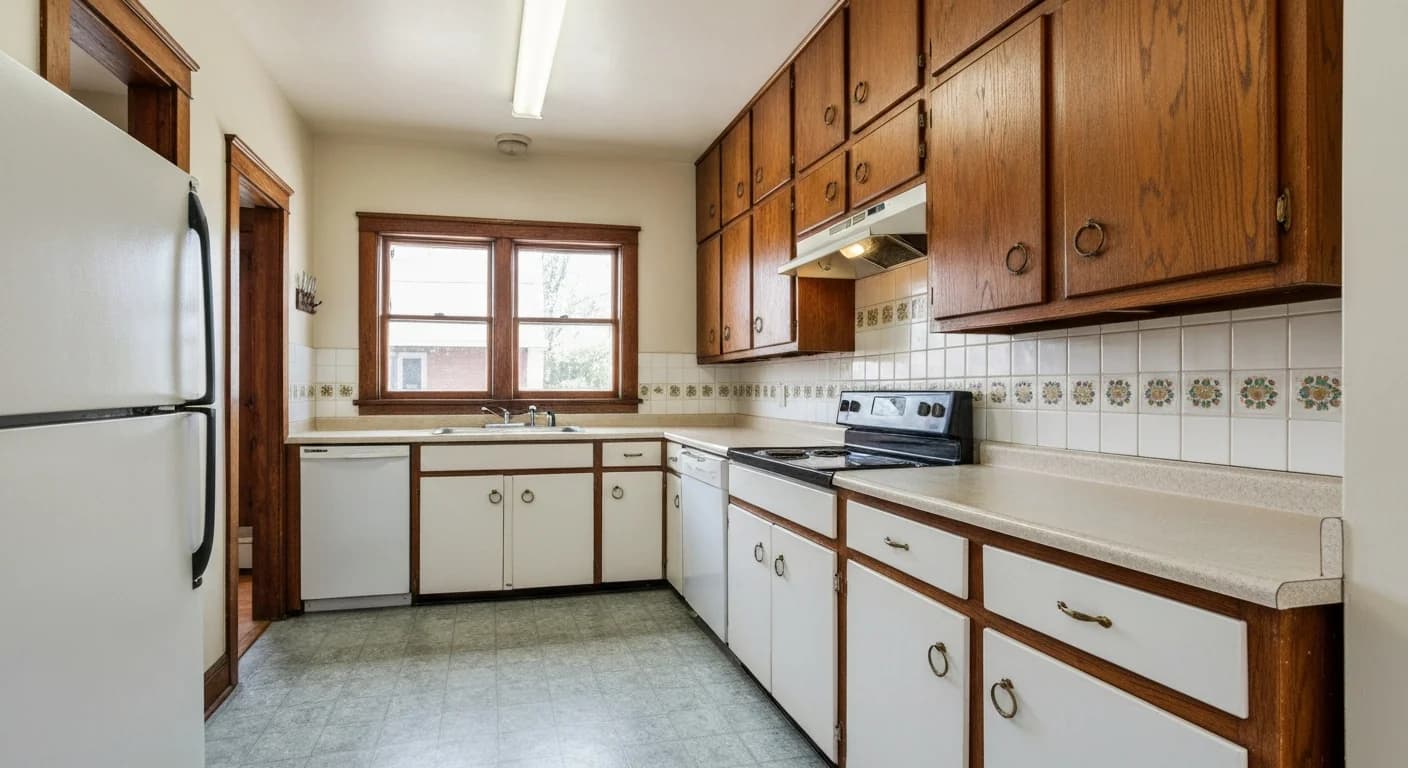
Denver's kitchens tell the story of how people really live — open plans for family gatherings, wide islands for Sunday meal prep, and enough natural light to make the short winter days feel warmer. When your kitchen no longer fits that life, Peak Builders rebuilds it from scratch. We've completed 300+ remodeling projects across Denver metro, and kitchens are the work we're most proud of.
What Makes a Denver Kitchen Different
Every market has its quirks, and Denver's quirks matter when you're remodeling.
Altitude and Your Appliances
At 5,280 feet, gas appliances need to be adjusted for high-altitude combustion — otherwise you get yellow flames, incomplete burn, and eventually a voided warranty. Wolf, Thermador, and Bluestar all have Colorado-specific burner configurations. We verify every gas appliance hookup and handle the altitude adjustment before the final inspection. This is something a lot of contractors skip, and it causes real problems for homeowners down the road.
Maximizing Denver's Natural Light
Denver gets 300 days of sunshine, but winter days are short and the angle of light is steep. A well-designed kitchen leans into this: position the island to face south or east, spec undercabinet LED strips (the single highest-impact lighting upgrade for the price), and put every circuit on dimmers so the room can shift from cooking mode to evening light without changing any hardware.
Open Plans in Bungalow Homes
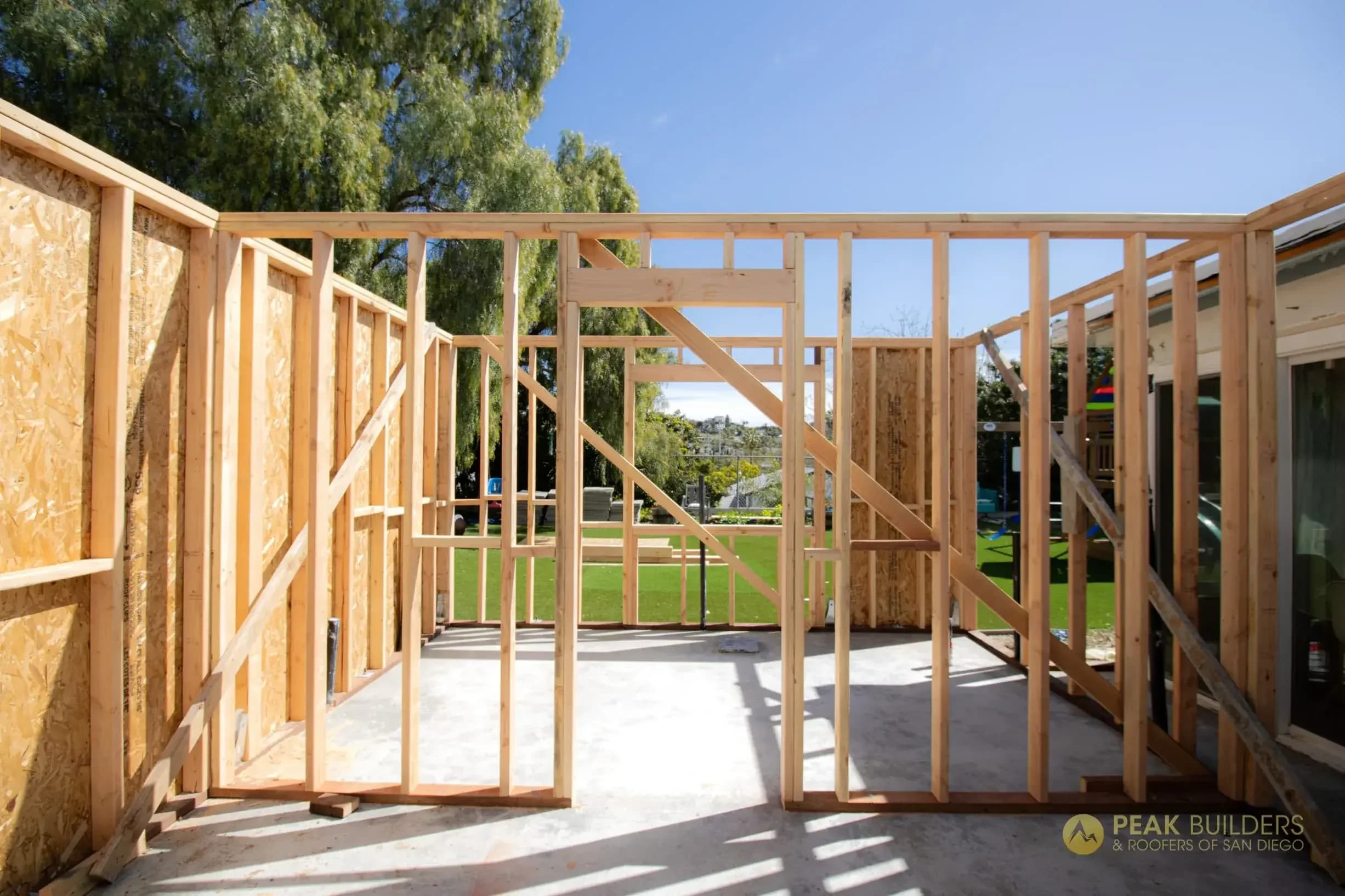
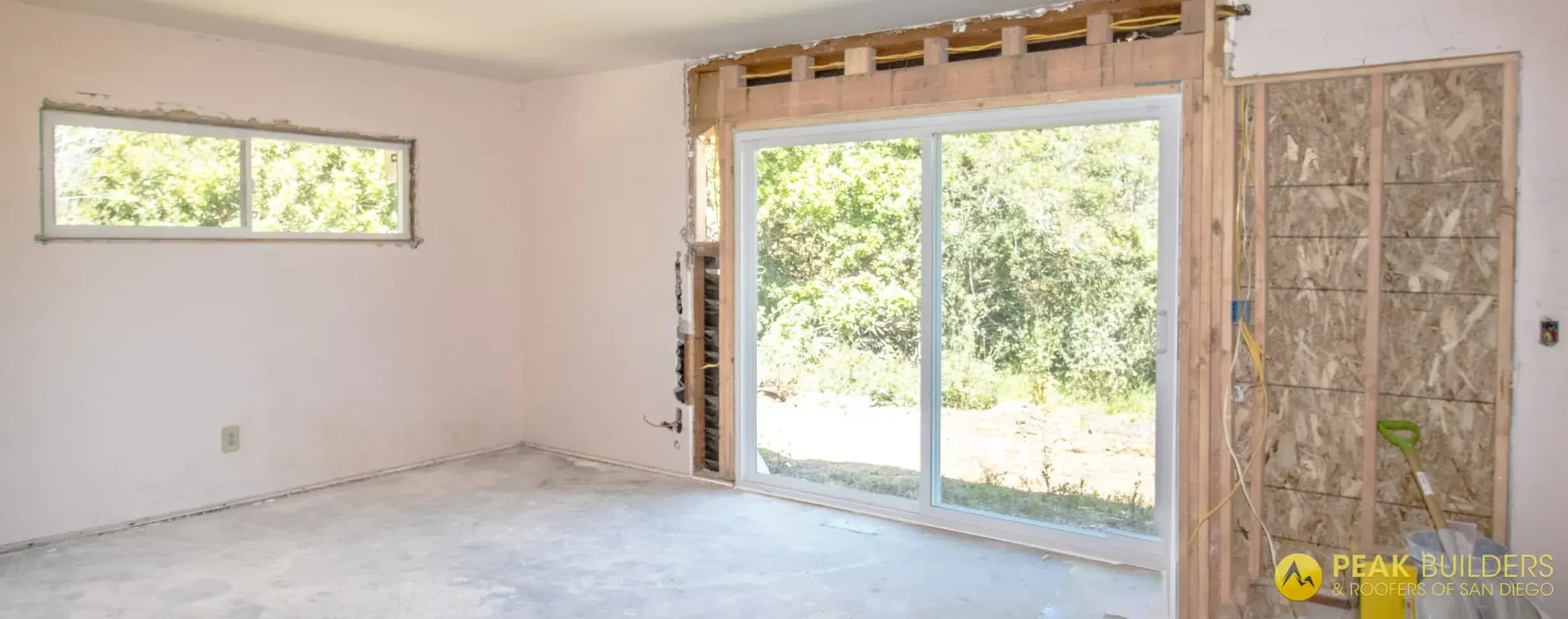
Denver's Wash Park, Baker, and Platt Park neighborhoods are full of early 1900s bungalows with closed kitchens. Homeowners love opening them up — and so do we, but full wall removal means structural engineering. A load-bearing wall spanning 14+ feet typically needs a 3-ply LVL beam and a permit, which we pull and manage. The result is worth it: removing one wall can turn a cramped cook's room into the heart of the whole floor.
Dry Climate, Real Ventilation
Denver is arid enough that homeowners sometimes underestimate ventilation. Recirculating range hoods look cleaner but they don't actually move cooking moisture out of your home. We duct every range hood to the exterior — it costs a bit more, but it protects your cabinetry and walls over the long term.
Our Process
Design and Planning
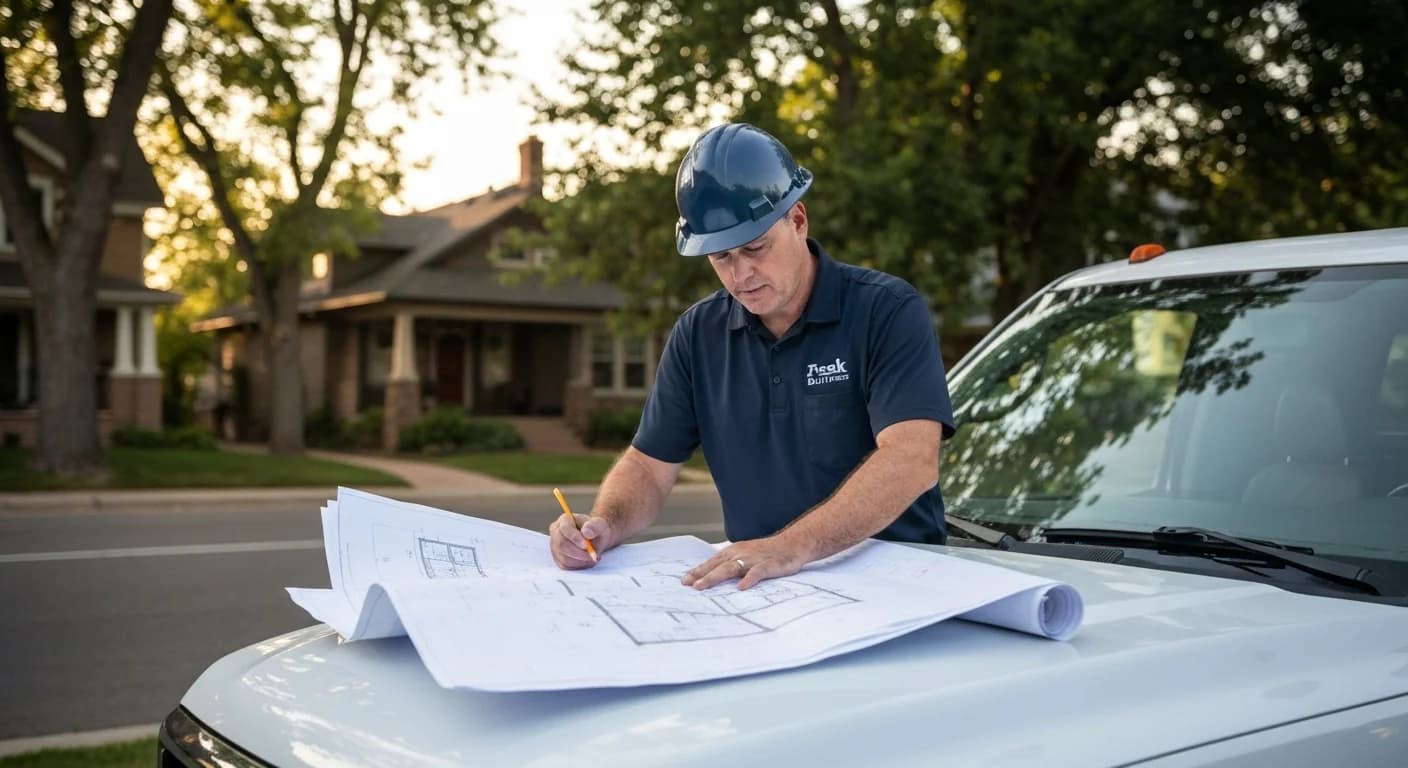
We start with a site visit and measurements, then build a 3D rendering of the proposed layout. You see the cabinet configuration, island placement, and finish palette before any demo starts. We use this stage to make all the big decisions — appliance selection, countertop material, lighting plan — so the construction phase is clean and fast.
Cabinets are the longest lead-time item: factory-built custom cabinetry takes 8–14 weeks from order to delivery. We place the order early, and you continue using your kitchen as normal while it's being built.
Permit and Pre-Construction
We pull building permits for all structural, electrical, and plumbing work. Denver's permit office is thorough, and we've built a working relationship with city inspectors over years of projects. Permits protect you — a kitchen remodel done without permits creates problems when you sell the house.
Construction
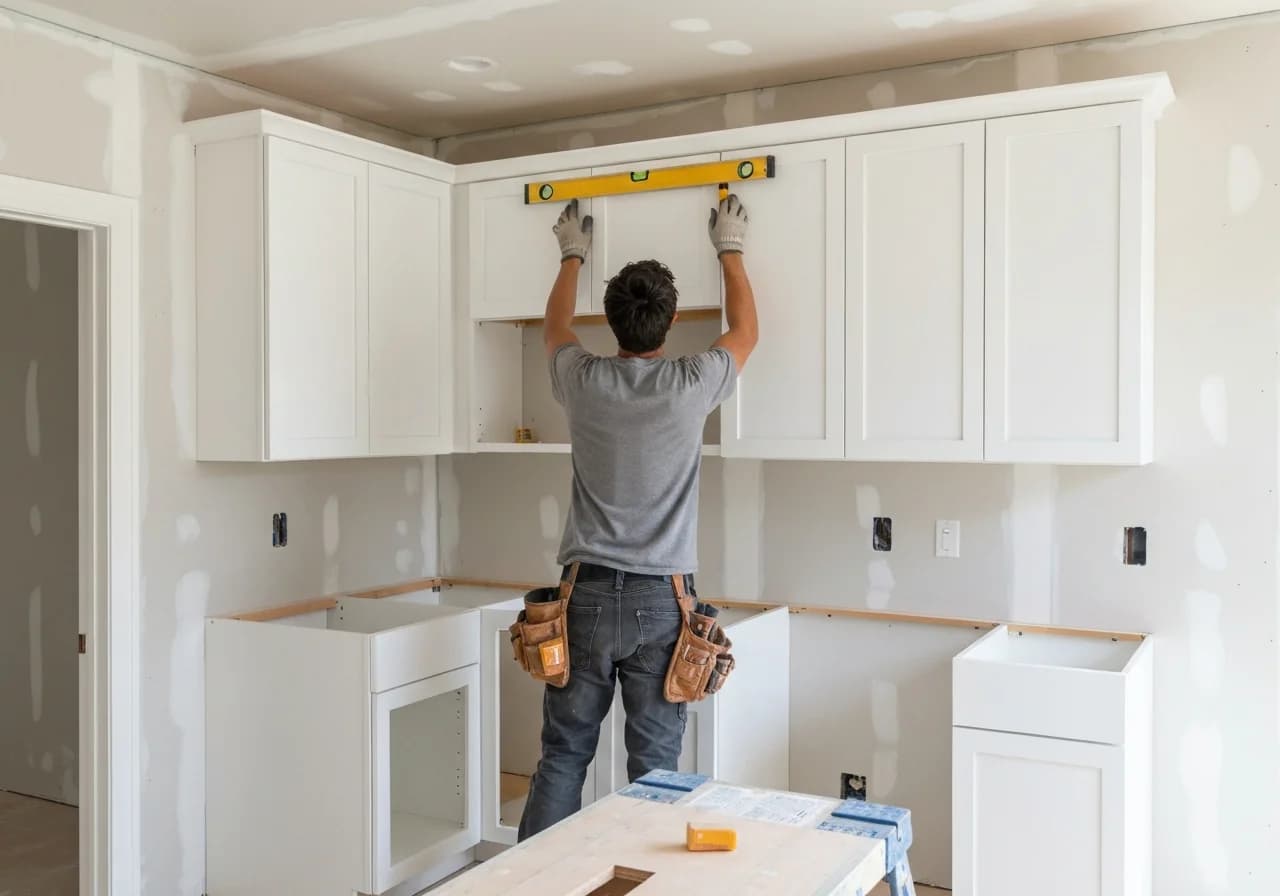
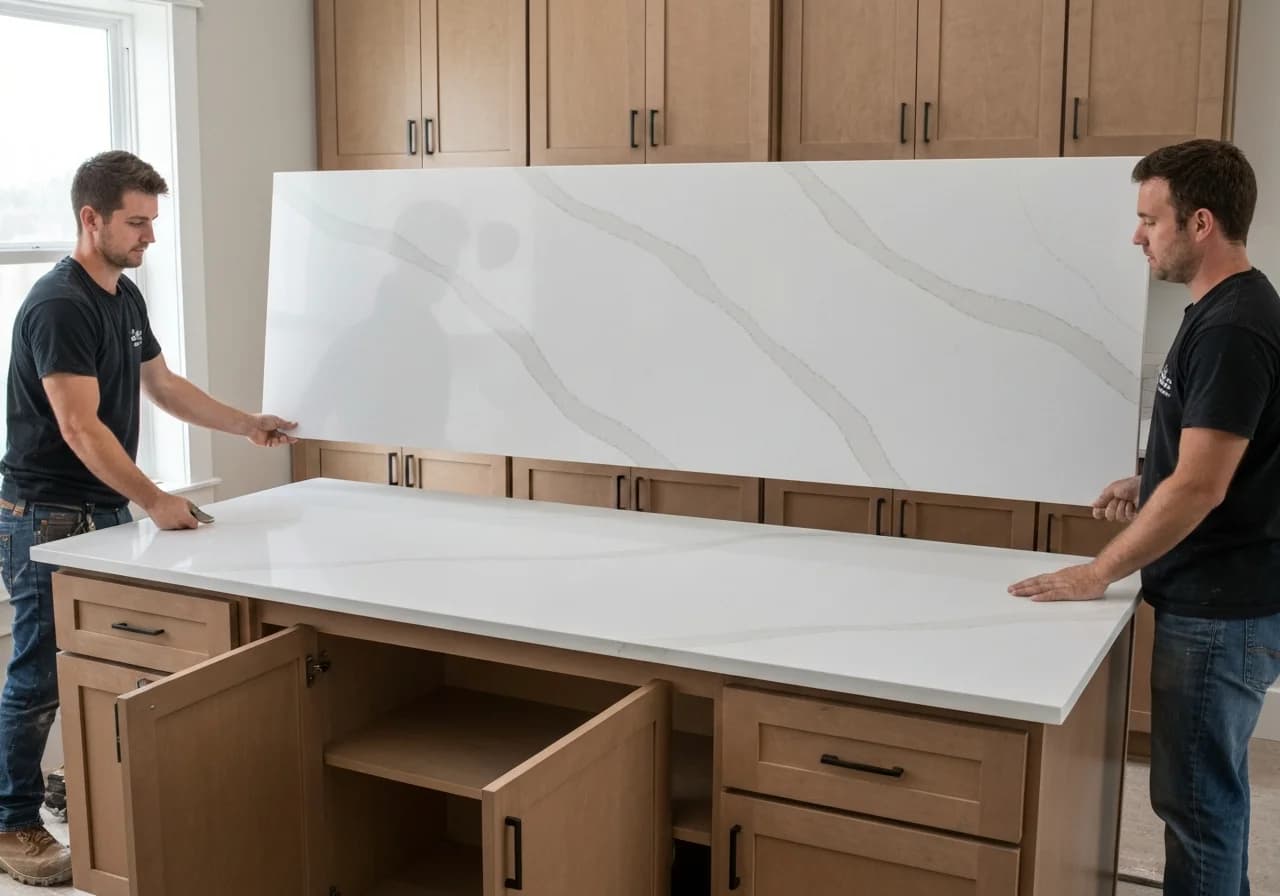
When the cabinets arrive, we start demolition. Rough electrical and plumbing go in first, then drywall, then flooring — protected under paper during cabinet installation. After cabinets, the countertop template is made, fabricated (typically 7–10 days), and installed. Backsplash, fixtures, and hardware follow. We do a final walkthrough with you before we close out the permit and hand you the warranty documents.
Denver Neighborhoods We Work In
We've done kitchens in Wash Park, Cherry Creek, Highland, Cap Hill, Baker, Platt Park, Sloan's Lake, Congress Park, Park Hill, Green Valley Ranch, Stapleton, and throughout Aurora and Lakewood. Every neighborhood has its own architectural personality, and we adapt to it.
What We Install
Custom and semi-custom cabinetry (painted inset, shaker, flat-front), quartz and natural stone countertops, tile and hardwood flooring, custom vent hoods, built-in coffee stations, butler's pantries, island seating configurations, and professional appliance packages. We are a licensed general contractor with our own plumbers, electricians, and finish carpenters — no subcontracting patchwork.
Getting Started
The first step is a free in-home consultation. We look at the space, talk about what's not working in the current layout, and discuss what you want the kitchen to feel like when it's done. There's no pressure and no pitch — just a real conversation about your project.
Call (720) 605-7785 or book online. We typically have design consultations available within a week.