Do I Need a Permit for That? A Denver Homeowner's Honest Guide
Permits. Nobody's favorite topic.
They cost money, they take time, and it's tempting to think "nobody will know" if you skip them. We get it.
But permits exist for real reasons, and skipping them can create real problems. So let's demystify this: what actually needs a permit in Denver, what doesn't, and when it matters.
Why Permits Exist (The 30-Second Version)
Building codes aren't bureaucratic nonsense—they're lessons learned from failures. The electrical code exists because houses burned down. The plumbing code exists because people got sick. The structural code exists because buildings collapsed.
Permits ensure work meets these codes. Inspectors verify someone competent checked the work. It's a system that, despite its frustrations, prevents a lot of bad outcomes.
What Definitely Needs a Permit in Denver
Structural Work
- Removing or modifying load-bearing walls
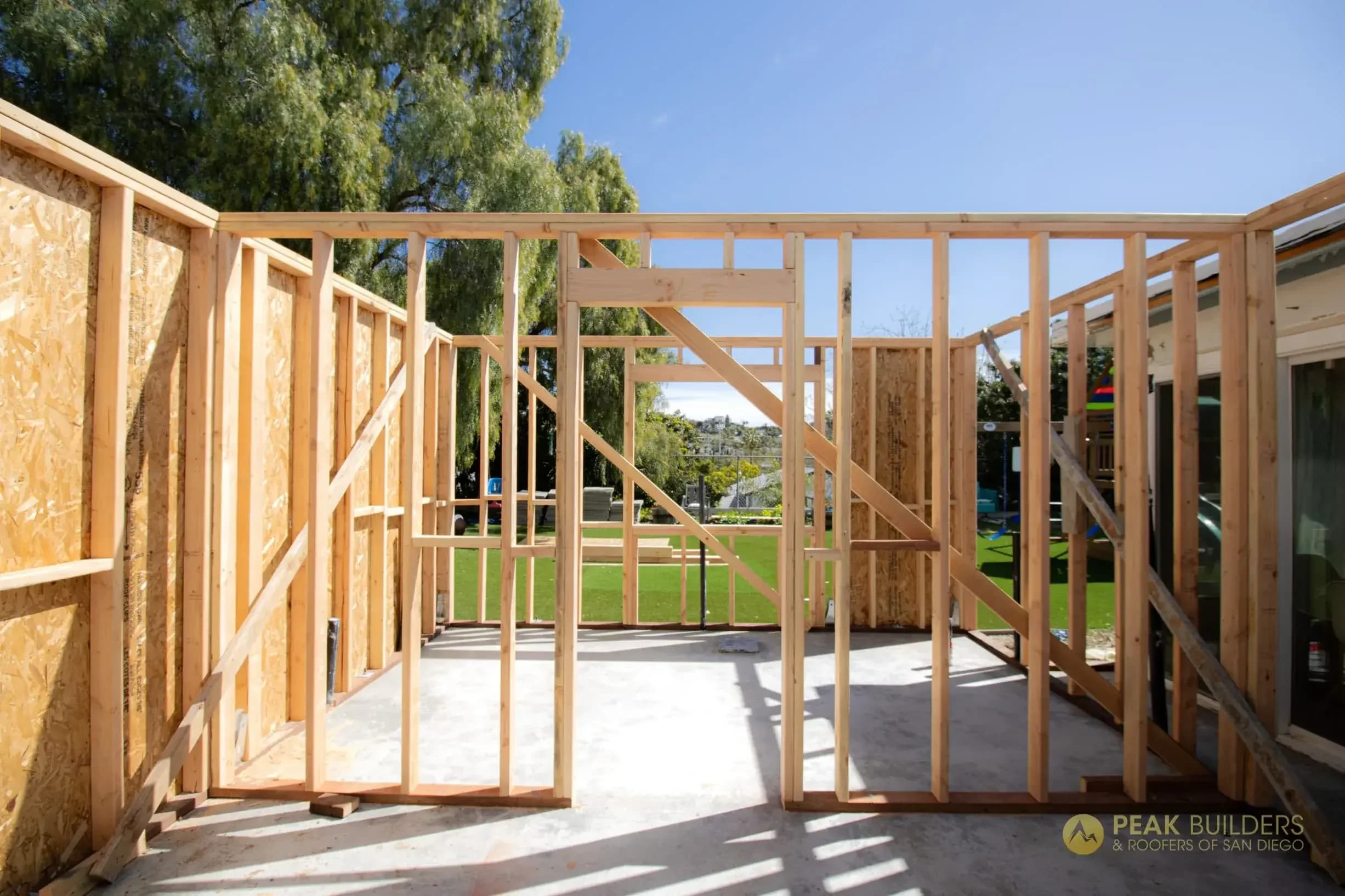
- Adding rooms or extensions
- Building decks over 30" above grade
- Installing or replacing structural beams
- Foundation work or repairs
Electrical Work
- Adding new circuits
- Upgrading electrical panels
- Adding outlets in new locations
- Any new wiring (not just replacing existing)
- Installing EV chargers
Plumbing Work
- Adding new fixtures (sinks, toilets, showers)
- Moving existing plumbing locations
- Water heater replacement (in some cases)
- Adding gas lines
- Sewer line modifications
HVAC Work
- Installing new furnaces or AC units
- Adding or modifying ductwork
- Installing mini-splits
- Gas line connections
Major Renovations
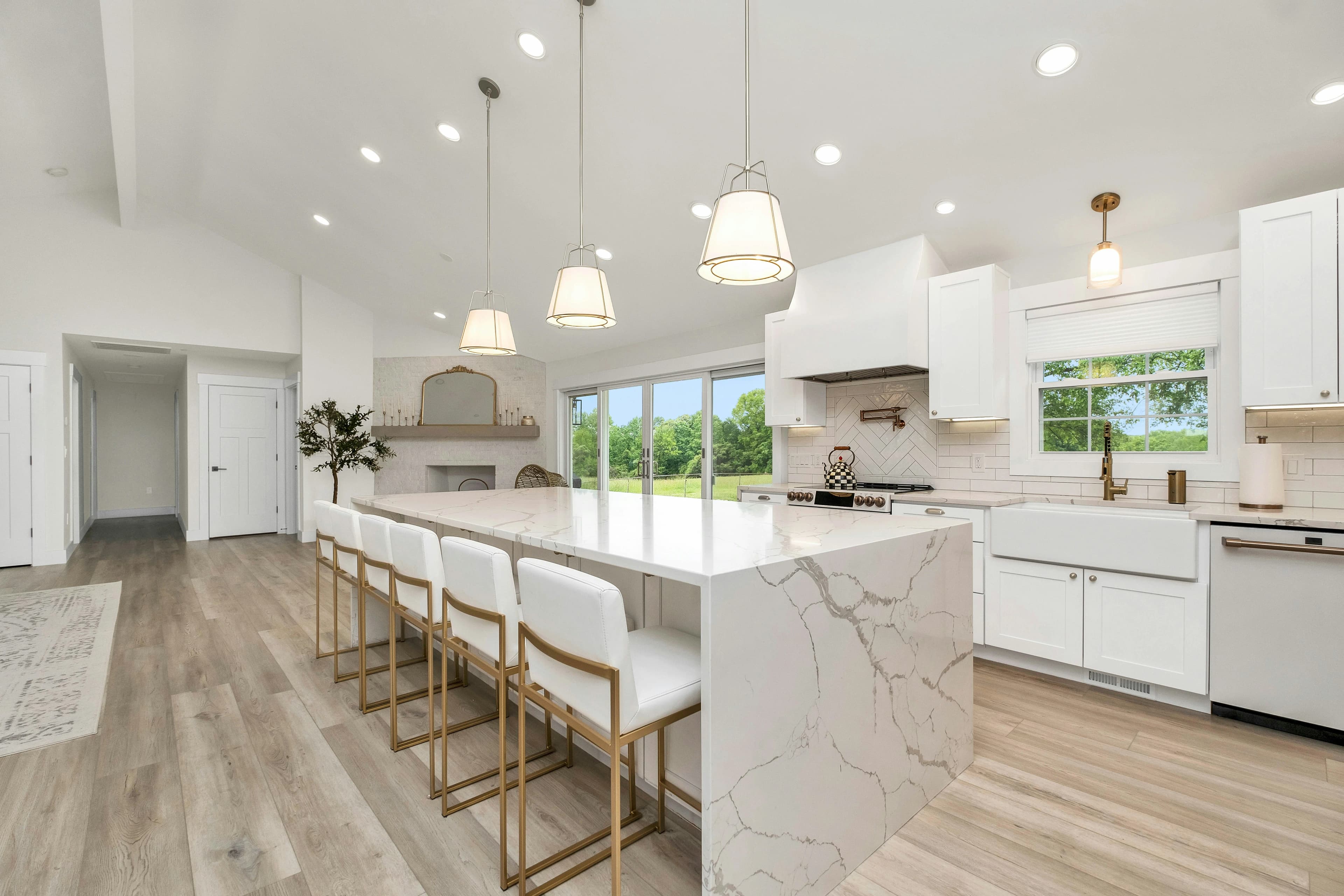
- Kitchen remodels (when changing electrical/plumbing/gas)
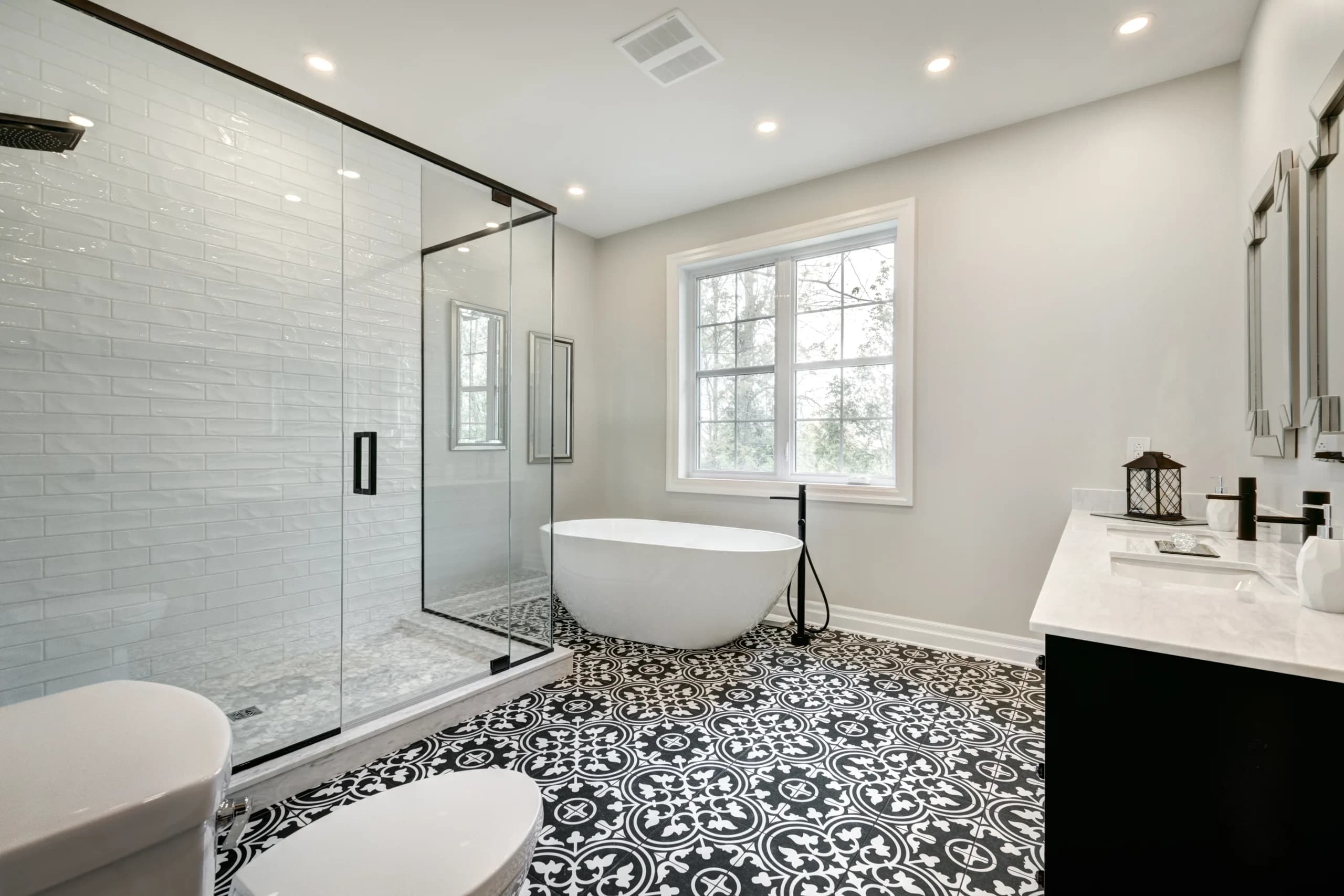
- Bathroom remodels (when changing plumbing)
- Basement finishing
- Garage conversions
- ADU construction
Exterior Work
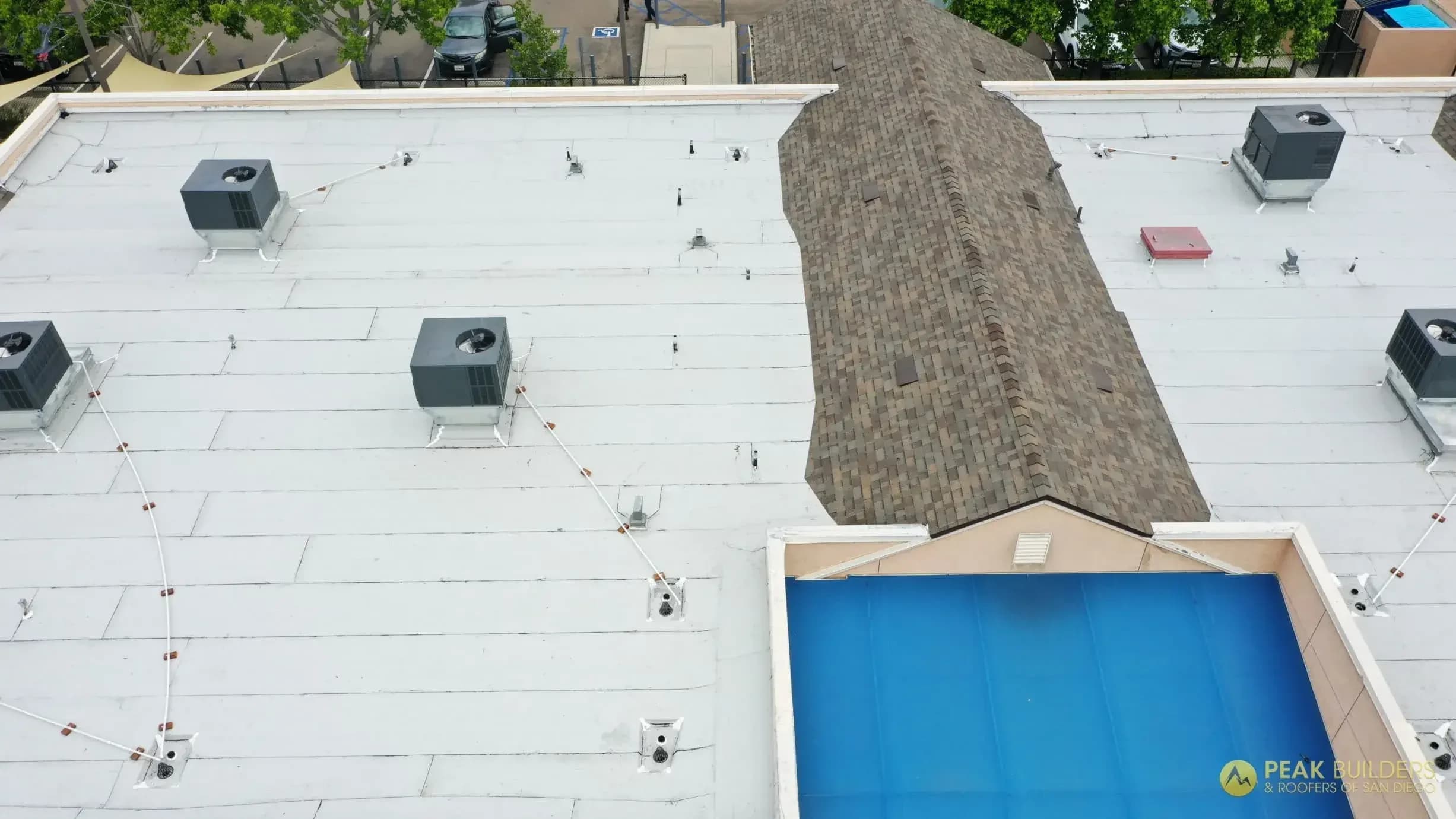
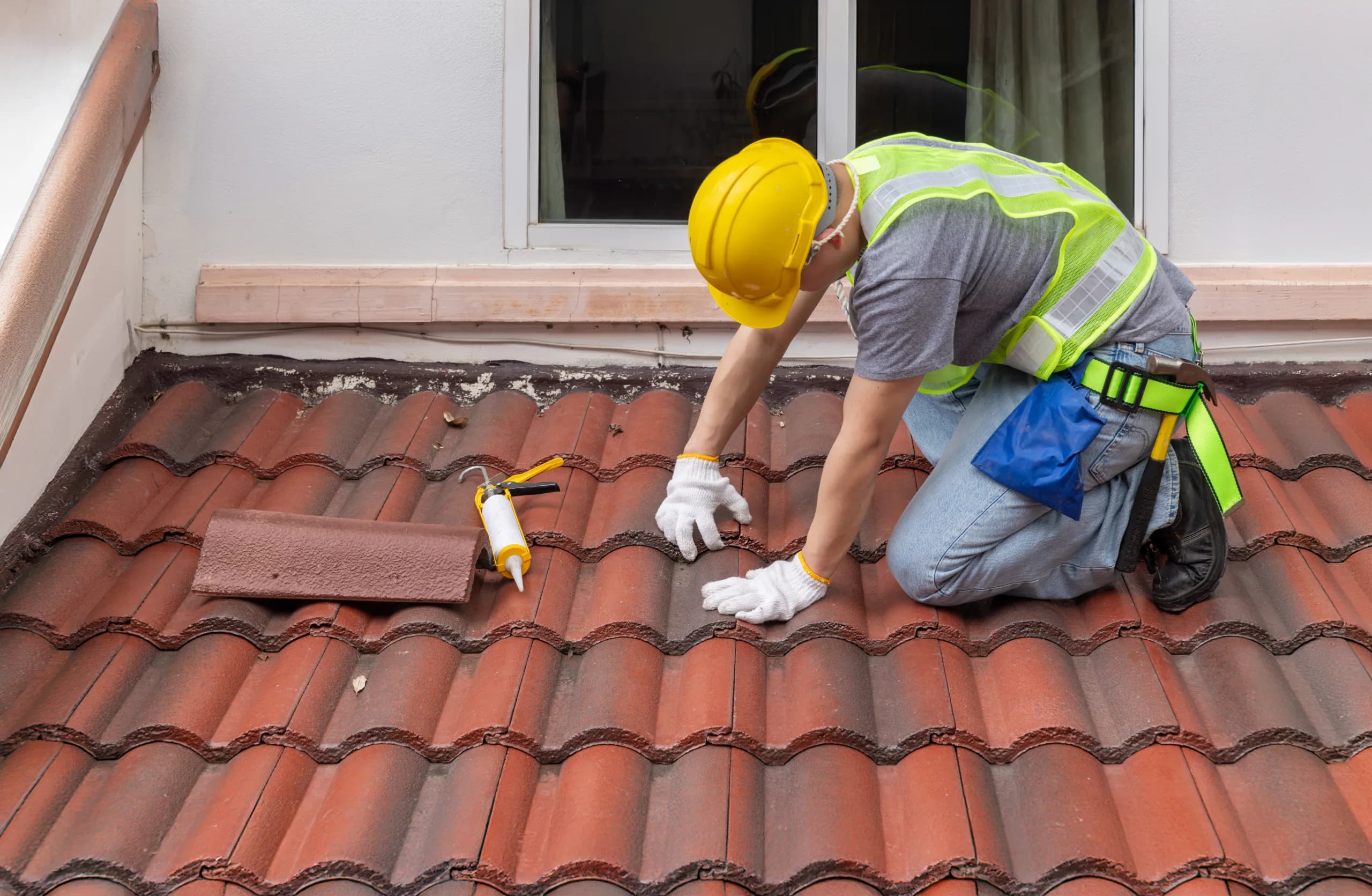
- Roof replacement (permit required in Denver)
- Window size changes or new openings
- Siding removal and replacement in some cases
- Fences over 6 feet
- Retaining walls over 4 feet
What Usually Doesn't Need a Permit
Cosmetic Updates
- Painting interior or exterior
- Flooring replacement (same level)
- Cabinet refacing or replacement (if not moving plumbing/electrical)
- Countertop replacement
- Wallpaper or decorative finishes
Minor Repairs
- Replacing existing fixtures in same location (light fixtures, faucets)
- Replacing electrical outlets or switches (same location)
- Patching drywall
- Replacing doors (same size opening)
- Replacing windows (same size, no structural changes)
Landscaping
- Planting, grading, and garden work
- Retaining walls under 4 feet
- Fences under 6 feet
- Patios at ground level (no roof structure)
Note: These are generalizations. Specific situations may differ. When in doubt, call Denver's permit office—they'll tell you for free what your project requires.
The Gray Areas
Some projects aren't clear-cut:
Water heater replacement: In Denver, replacing an existing water heater in the same location often doesn't require a permit if no modifications are made. But if you're changing fuel type, location, or venting—permit required.
Like-for-like roofing: Some jurisdictions don't require permits for re-roofing over existing shingles. Denver does require permits for roof work.
Basement work: Unfinished basement? Laying carpet doesn't need a permit. But adding walls, electrical, bathroom, or egress windows? Permit required.
Deck repair: Replacing deck boards? Usually no permit. Rebuilding the structure or adding to size? Permit required.
The Real Costs of Skipping Permits
"My neighbor did their project without a permit and nothing happened." We hear this a lot. Here's why it's bad logic:
Insurance Issues
If unpermitted electrical work causes a fire, or unpermitted plumbing causes water damage, your insurance company may deny the claim. They have teams that investigate major claims—and they look for unpermitted work.
Imagine: your house burns down, and instead of a claim payout, you get a denial and a lawsuit. This happens.
Sale Complications
When you sell, you'll be asked to disclose any work done. Unpermitted work must be disclosed in most states. Buyers can then:
- Demand you obtain permits retroactively (expensive, sometimes impossible)
- Demand price reductions
- Walk away from the sale
Even if a sale closes, you could face liability for non-disclosure if problems emerge later.
Financing Problems
Lenders and appraisers notice unpermitted work. Square footage without permits may not count toward appraised value. Loans can fall through over permit issues.
Code Violations
Denver can discover unpermitted work and issue code violations. You may be required to expose completed work for inspection (imagine tearing out your finished bathroom tile to show the plumbing), pay fines, or remove work entirely.
The Permit Process in Denver
For those who've never done it, here's how it works:
1. Application
Submit plans and application to Denver Development Services. Simple projects may need only a description; complex projects need engineered drawings.
2. Review
Plan reviewers check that your project meets codes. They may request revisions. Timeline: 2-6 weeks depending on complexity and current backlog.
3. Permit Issued
Once approved, you receive a permit. This must be posted visibly at the job site.
4. Inspections
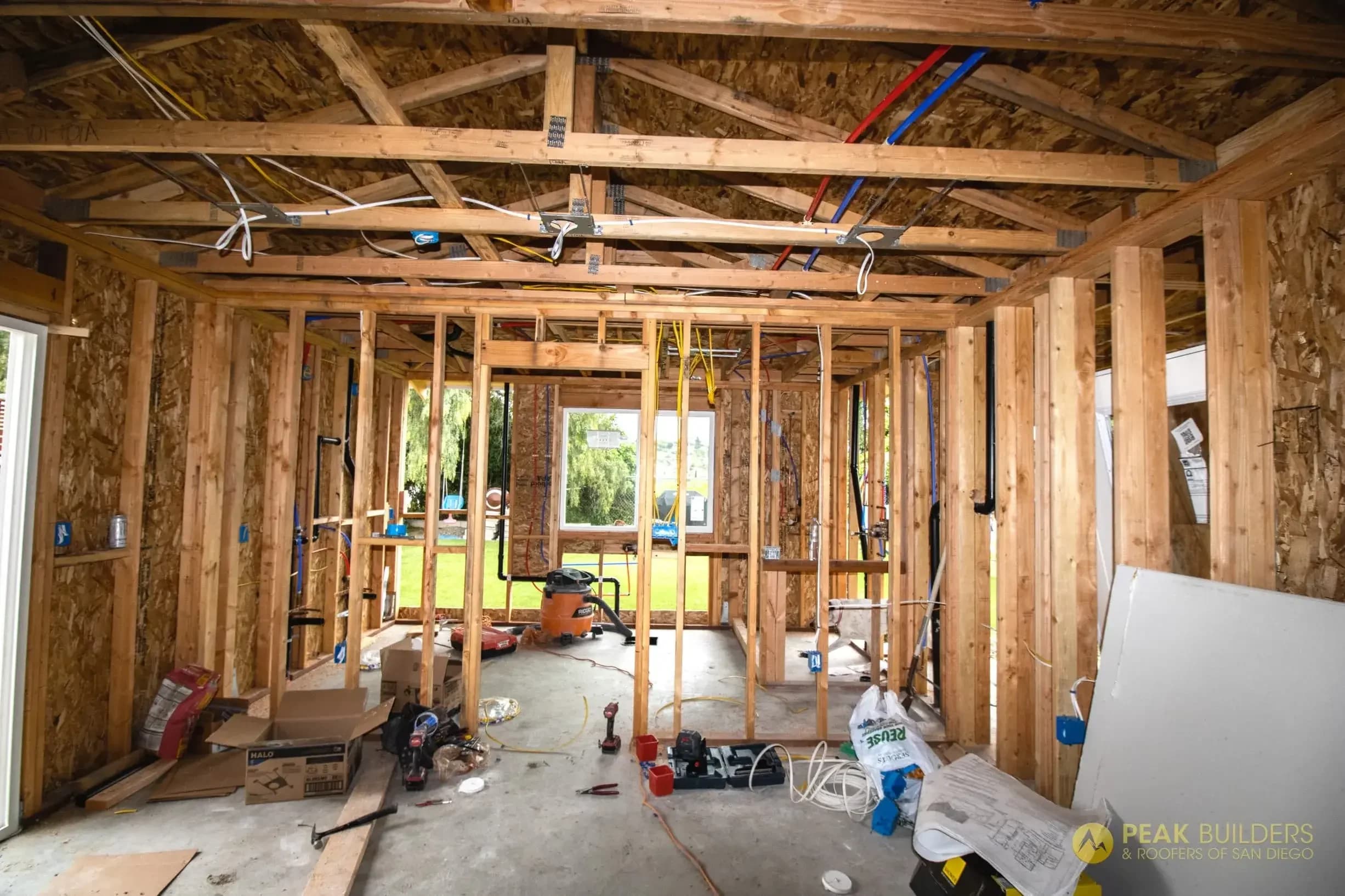
As work progresses, inspectors check at key milestones: rough-in (before walls close), final, and sometimes intermediate stages. Work can't proceed until inspections pass.
5. Final Approval
When all inspections pass, you receive final approval. The permit is closed, and the work is officially compliant.
Your contractor should handle this process. If they seem reluctant to pull permits, that's a red flag.
How Much Do Permits Cost?
In Denver, permit costs are based on project valuation. Rough numbers:
- Small projects (under $5,000): $150-$300
- Medium projects ($10,000-$50,000): $300-$800
- Large projects ($50,000-$100,000): $800-$1,500
- Major renovations ($100,000+): $1,500-$3,000+
These costs also include plan review fees and inspection fees. Not cheap—but compared to the cost of problems from unpermitted work, it's reasonable insurance.
The Bottom Line
Permits are annoying. They add cost and time. We understand the temptation to skip them.
But the risks are real. Insurance denials, sale complications, code violations, and—most importantly—safety issues from work that nobody competent ever checked.
Every project we do, we pull the required permits. It's non-negotiable. It protects you, and it protects us.
Questions About Your Project?
Not sure if your project needs permits? We're happy to help figure it out. Call (720) 605-7785 or schedule a consultation. We'll tell you what's required and handle the permit process for any work we do.