2025 Sustainable Building Materials: Eco-Friendly Construction Guide
The Real Story Behind Sustainable Building Materials in Denver
Walk into any construction site in Denver right now and you'll notice something different. The materials look familiar—concrete, wood, insulation—but they're not what they used to be. We're in the middle of a quiet revolution that's fundamentally changing how homes get built in Colorado.
I've watched this shift happen over the past three years. What started as a handful of environmentally conscious homeowners requesting "green" materials has become the default conversation. Now about 60% of our residential projects specify sustainable materials from the start, and that number keeps climbing.
The reason isn't just environmental guilt. These materials actually work better. The concrete we're pouring today can literally pull carbon dioxide out of the air. The wood framing that used to take three weeks now goes up in five days. Insulation made from old jeans outperforms the pink fiberglass stuff your parents remember. And here's what surprises most homeowners: the cost difference has shrunk to almost nothing for many of these materials.
The Market Has Shifted Permanently
This isn't a trend that's going to fade. According to Grand View Research, the global green building materials market hit approximately $500 billion in 2025 and is projected to exceed $1 trillion by the early 2030s. The U.S. market alone represents about $154 billion, with growth outpacing traditional construction materials year after year.
The Inflation Reduction Act accelerated everything. Over $369 billion in climate and energy investments are flowing into energy-efficient construction. Manufacturers ramped up production, competition increased, and prices dropped. What was once a premium product category has become mainstream.
Here in Colorado, we're seeing this play out in real time. Denver's Energize Denver Building Performance Policy now requires commercial buildings to reduce energy use intensity by 30% by 2030, with the first compliance year being 2025. This isn't optional—buildings that don't comply face penalties of $0.35 per kBtu over limits. Smart building owners are upgrading to sustainable materials now rather than facing fines later.
The Concrete That Cleans the Air
Traditional concrete has a massive carbon problem. Making Portland cement—the glue that holds concrete together—releases about 8% of global CO2 emissions. For years, concrete was just an environmental disaster we accepted because we didn't have alternatives.
That's changed completely. The carbon-negative concrete market reached $284 million in 2024 and is growing at 27.4% a
ually—one of the fastest-growing segments in construction materials. By 2033, it's expected to hit $2.8 billion.
Carbon-negative concrete uses industrial waste products, captured CO2, and alternative binding agents instead of traditional cement. During the curing process, it actually absorbs more carbon than was released making it. You're not just reducing emissions—you're removing CO2 from the atmosphere while building your foundation.
We've poured carbon-negative concrete for foundations, driveways, and even decorative elements. The structural performance matches traditional concrete exactly. The only real difference is the price tag, which has dropped from a 25% premium three years ago to just 5-10% more today. For a typical Denver foundation, that's maybe $800 extra on a $30,000 project.
Governments worldwide have noticed. According to Future Market Insights, governments across 40+ countries have implemented incentives contributing to a 12% boost in green cement sales. Colorado's Buy Clean law, joining California, New York, and Oregon, adds further momentum by requiring low-carbon materials in state-funded projects.
Hempcrete: The Carbon-Negative Wall System
Hempcrete has moved from novelty to legitimate building material. The U.S. hempcrete market is projected to grow from $7.83 billion in 2025 to $10.60 billion by 2033, with residential applications representing 59% of use.
It's a mixture of hemp fiber, lime, and water that works beautifully for non-structural walls. I recently used it on a custom home in Wash Park, and the homeowners obsess over how it regulates moisture and keeps temperatures stable without any mechanical help. The walls literally breathe. Plus, hemp grows fast and sequesters carbon while it's growing, making the whole lifecycle carbon-negative.
The material handles Denver's temperature swings exceptionally well. Hemp's natural moisture regulation (it can absorb and release up to 35% of its weight in moisture) means fewer condensation problems and more stable indoor humidity levels through our dry winters and monsoon summers.
Wood Buildings That Rival Steel and Concrete
Cross-laminated timber sounds like something from a sci-fi novel, but it's becoming our go-to material for anything that needs serious structural strength. According to Straits Research, the global CLT market reached $1.71 billion in 2024 and is growing at nearly 13% a
ually. By 2030, it's expected to exceed $3.5 billion.
These engineered wood panels get manufactured in controlled factory conditions, then trucked to the site ready to install. The precision is remarkable—tolerances that would be impossible with traditional stick framing.
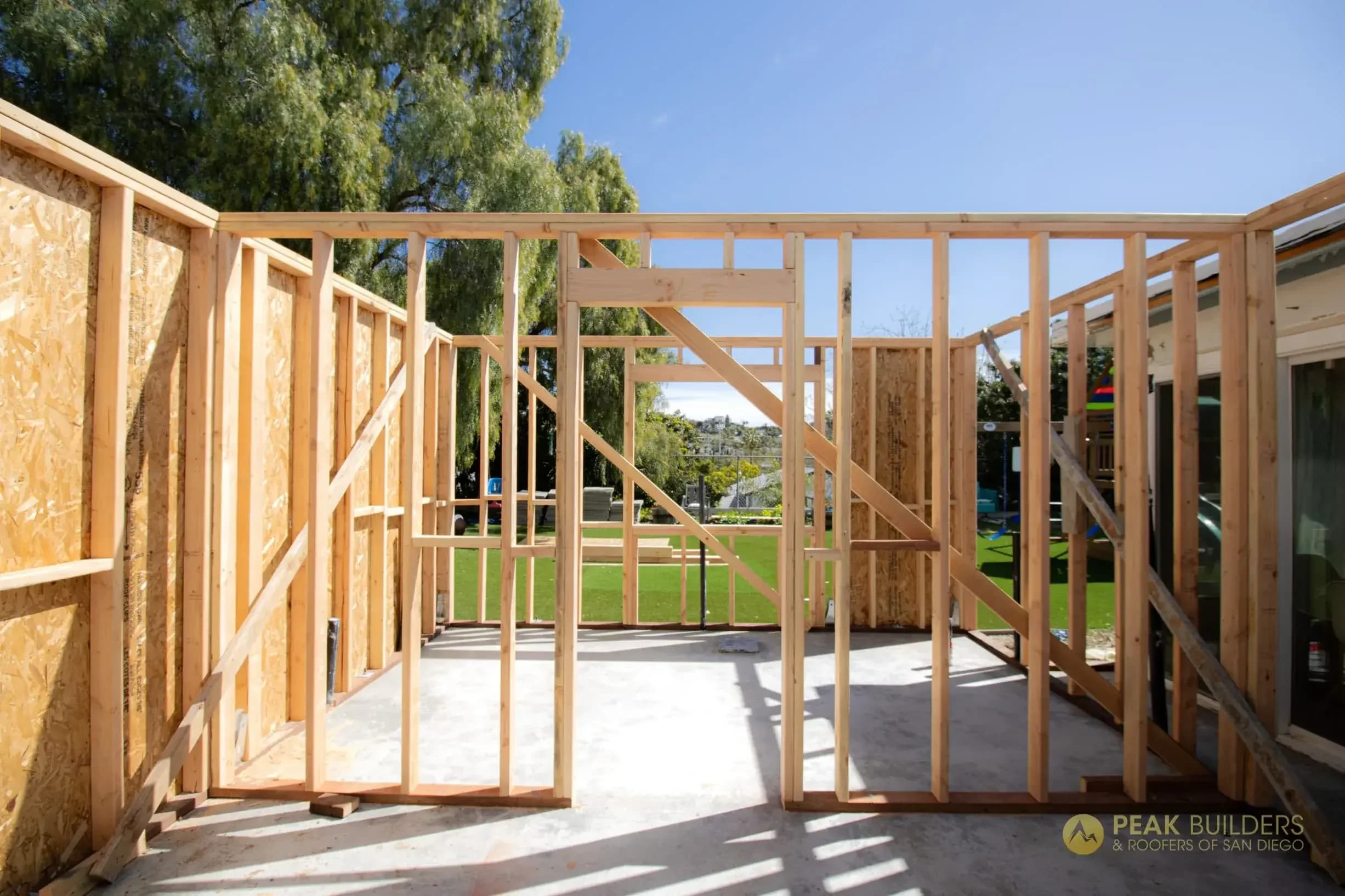
Last fall, we framed a three-story addition using CLT panels. The entire structural frame went up in four days. With traditional framing, we would've been looking at two to three weeks minimum. The time savings alone offset most of the material cost difference, and the clients got to move back in weeks earlier than expected.
The Fire Safety Question
The fire resistance question comes up constantly. People assume wood burns, end of story. But CLT actually performs incredibly well in fires. The outer layer chars and creates a protective barrier that slows burning dramatically.
The 2024 International Building Code updates reflect this reality. Type IV-B construction now allows 100% mass timber ceiling exposure (up from 20%), and buildings up to 12 stories can use mass timber without encapsulation requirements. Denver's building department has approved dozens of CLT projects over the past two years without any special exceptions.
What really sells homeowners is the aesthetic. Exposed CLT ceilings create these warm, natural spaces that feel nothing like typical construction. The wood grain and texture become design features—you're not covering them up with drywall and paint. One client told me walking into her CLT addition feels like being in a modern cabin, except it's in the middle of Denver.
The Carbon Story
The sustainability case is compelling. Mass timber can sequester up to 1 ton of CO2 per cubic meter, according to UNEP research. When you source CLT from responsibly managed forests—and virtually all commercial CLT comes from certified forests—the entire lifecycle is carbon-negative.
Certified forests plant more trees than they harvest, and young growing trees actually sequester more carbon than mature forests. The wood stores carbon for the life of the building, which in most cases means 100+ years. It's the opposite of concrete, which releases carbon during manufacturing and continues releasing it as it cures.
February 2025 marked a significant milestone when Timberlab Inc. broke ground on a 190,000 square foot CLT manufacturing facility in Oregon—one of the largest in the U.S. More domestic manufacturing means lower transportation costs and faster availability for Colorado projects.
Salvaged Materials With Stories
Steel framing today contains 90% or more recycled content as standard. It's not even marketed as a special "green" option anymore—it's just how steel gets made now. The energy savings compared to virgin steel production are massive, around 75% less energy required.
But the reclaimed materials that get me excited are the old-growth wood pieces. We source barn wood, timber from demolished buildings, and salvaged flooring that's sometimes 150 years old. The character in these pieces is impossible to replicate. The grain patterns, the nail holes, the weathering—each board tells a story.
I recently installed reclaimed oak flooring in a Cherry Creek renovation. The wood came from a warehouse that was demolished in LoDo. It had this rich patina and tight grain you literally ca
ot buy in new lumber because trees don't grow that slowly anymore. The homeowner's friends constantly ask where she found it, and she loves explaining it used to be part of Denver's industrial history.
The environmental case is substantial. According to the EPA, the U.S. generated 600 million tons of construction and demolition debris in 2018, with 145 million tons going to landfills. Demolition waste represents 90% of that total. Every piece of reclaimed material we use is something that didn't end up buried.
Cost-wise, premium reclaimed materials run about the same as high-end new materials. You're not paying extra for sustainability—you're paying for genuine character and quality that exceeds modern equivalents. The environmental benefit is basically a bonus.
Insulation That Actually Works
Fiberglass insulation was revolutionary in the 1950s. Now it's the baseline, and we've got options that make it look primitive. The sustainable insulation market reached $1.5 billion in the U.S. in 2025 and is growing at 6.6% a
ually.
Recycled Denim: Blue Jeans Become Building Materials
Recycled cotton denim insulation represents one of the most practical sustainable options. According to Verified Market Reports, this market hit $240 million in 2025, with North America holding 35% market share.
The composition is straightforward: 80% recycled cotton denim and 20% textile binder. The R-values match fiberglass, but you can handle it without gloves or a respirator. No itching, no formaldehyde, no fiberglass particles in your lungs. We've started using it for attic spaces and walls where homeowners want to handle installation themselves.
Sheep Wool: Ancient Material, Modern Performance
Sheep wool insulation might sound gimmicky until you understand the physics. Wool naturally regulates moisture—it can absorb up to 35% of its weight in water vapor without losing insulating properties. It resists fire without chemical treatments because the protein structure requires extremely high temperatures to ignite. And it provides excellent sound dampening, which matters a lot in Denver's increasingly dense neighborhoods.
Aerogel: Space-Age Technology Goes Residential
Aerogel is the space-age option that's finally become affordable for residential use. This material was developed by NASA and provides extreme insulation in minimal thickness. We use it primarily for retrofitting older Denver homes where wall cavities are only 3-4 inches deep. You can achieve R-20 or better in spaces where traditional insulation would barely hit R-11.
Cork: Perfect for Colorado Basements
Cork insulation is my personal favorite for basements and below-grade applications. It combines high R-value with natural moisture resistance and sound dampening. The cork gets harvested from tree bark without cutting down the tree, and the bark regenerates in 9-12 years. It's genuinely renewable in a timeframe that actually matters.
Roofing That Does More Than Keep Rain Out
The cool roofing market reached $27.1 billion in 2025, with North America representing 44% of that. Meanwhile, the green roof market hit $2.7 billion and is growing at 12-17% a
ually.
Cool Roofing Technology
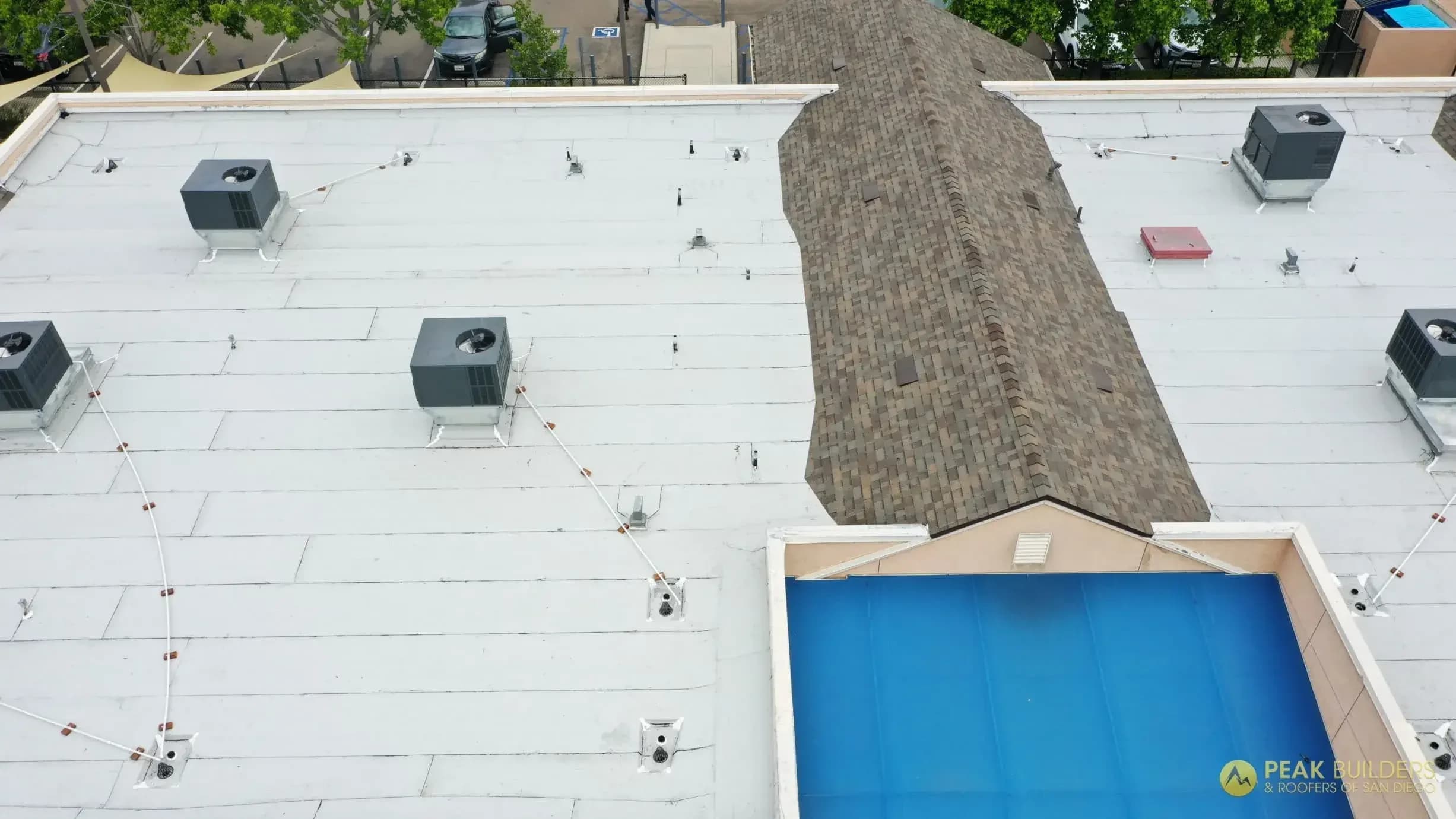
Cool roofing technology has advanced way beyond white paint. Modern reflective materials come in dark colors that look traditional while reflecting infrared radiation. We're seeing 10-15% reductions in summer cooling costs just from the roof choice, which in Denver's intense sun makes a real difference.
According to ENERGY STAR data, certified buildings use 35% less energy than typical buildings and cost $0.54 less per square foot to operate. Much of that savings comes from roofing and envelope improvements.
Living Green Roofs
Living green roofs work beautifully on flat-roofed garages and modern home additions. Native grasses and sedums provide natural insulation, manage stormwater runoff, and create habitat for pollinators. One client in Congress Park installed a green roof on her garage and says it's become her favorite view from the second-floor bedroom. The maintenance is minimal—basically mowing twice a year.
Extensive green roofs (the low-maintenance, cost-effective type) represent 87% of the green roof market. They're particularly well-suited to Denver's semi-arid climate when planted with drought-tolerant species.
Solar-Ready Design
Solar-ready roofing systems are something we build into almost every project now, even if clients aren't installing panels immediately. We're adding proper structural support, ru
ing conduit pathways, and installing mounting attachments during initial construction. When clients decide to add solar in five years, the installation cost drops by 30-40% because the infrastructure is already there.
Colorado-Specific Incentives You Should Know About
Colorado offers substantial incentives for sustainable building that many homeowners don't realize exist.
Denver Programs
Climate Action Rebate (CARe) Program: Financial incentives for energy-efficient appliances, insulation upgrades, and renewable energy systems. New 2025 rebates cover all-electric space and water heating equipment, plus rebates for Passive House certification.
Certifiably Green Denver: Free consulting service for sustainable practices, with grants up to $10,000 for qualifying projects.
Energize Denver: Buildings must benchmark energy use starting in 2025, with requirements expanding to smaller buildings through 2027.
State Programs
Home Electrification and Appliance Rebate (HEAR) Program: Launched November 2025 with Inflation Reduction Act funding. Point-of-sale rebates through registered contractors, with maximum rebates reaching $14,000 for combined electrification and weatherization for income-qualified households.
Building Performance Colorado: Applies to buildings 50,000 square feet and larger, with goals of 7% emission reduction by 2026 and 20% by 2030.
Colorado Clean Energy Fund: The state's first "green bank" offers loans starting at $20,000 for energy efficiency projects.
Federal Tax Credits (Act Now)
The federal Energy Efficient Home Improvement Credit provides 30% of costs up to $1,200 a
ually for windows, doors, insulation, and HVAC upgrades, with a separate $2,000 limit for heat pumps. The Residential Clean Energy Credit offers 30% for solar, wind, geothermal, and battery storage.
Critical deadline: These credits are scheduled to expire December 31, 2025. If you're pla
ing sustainable upgrades, acting in 2025 captures significant tax benefits that may not be available in 2026.
The Real Cost Comparison
Green buildings typically cost 1.8-2% more than comparable non-green projects—approximately $3-$5 per square foot premium according to multiple studies. That's the upfront reality.
But the lifecycle economics flip the calculation:
- First-year operating cost savings average 10.5%
- Five-year operating cost reduction averages 16.9%
- LEED buildings show 20% lower maintenance costs
- Energy savings of 35% or more versus conventional buildings
Property Value Impact
The value premium is substantial and documented. According to EY research, green homes command significant premiums:
- LEED-certified homes: 8% higher resale value
- Green properties overall: 4.2% premium over comparable homes
- California studies: $34,800 (9%) premium on $400,000 properties
- Survey data: Homebuyers willing to pay $74,000 premium for green features
In Denver's competitive market, a certified green home stands out. Buyers increasingly understand that lower utility bills and better indoor air quality justify premium pricing.
Windows That Actually Insulate
Triple-pane windows are the new baseline for energy-efficient homes in Denver. The technology has advanced to where you're getting R-7 or better—comparable to a well-insulated wall. Advanced low-E coatings, krypton gas fills, and insulated frames make this possible.
FSC-certified wood windows ensure the wood comes from responsibly managed forests. These windows combine superior thermal performance with natural beauty and the carbon sequestration benefits of wood products. They cost more upfront but last decades longer than vinyl.
Fiberglass frames have become my default recommendation over vinyl. They're made from recycled glass fiber, they don't expand and contract with temperature changes (which prevents seal failures), and they last essentially forever. Vinyl frames get brittle after 15-20 years of UV exposure. Fiberglass doesn't.
Exterior Materials Built for Colorado
Fiber cement siding dominates the Denver market for good reason. It mimics wood grain beautifully while resisting fire, insects, and moisture—all critical concerns in Colorado's climate. Modern fiber cement products include significant recycled content and last 50+ years with minimal maintenance.
Metal siding has shed its industrial image completely. Contemporary profiles include board-and-batten, horizontal lap siding, and textured panels that look like wood or stucco. The material is typically 95% recycled content, requires almost no maintenance, and lasts essentially forever.
Engineered stone veneer uses crushed rock waste—basically the dust and small pieces left over from quarrying—and forms it into lightweight panels. You get authentic stone appearance at a fraction of the weight and cost.
The Environmental Impact in Numbers
The UNEP Building Materials and Climate report puts construction's environmental impact in stark terms: buildings and construction account for 37% of global greenhouse gas emissions. The materials we choose matter enormously.
What sustainable materials can accomplish:
- Lightweight concretes with additives: 30-50% CO2 reduction
- Alternative materials and techniques: Up to 90% CO2 reduction possible
- Recycling 1 ton of construction waste: Saves 100.4 kg CO2-e
- LEED buildings globally: 120 million metric tons of CO2 saved, 80+ million tons of waste diverted from landfills
The Inflation Reduction Act allocated $10 billion specifically for reducing embodied carbon in construction materials, plus $250 million for Environmental Product Declaration assistance. The federal government is putting serious money behind this transition.
Making It Work for Your Project
Start with the high-impact decisions. Insulation, windows, and HVAC systems provide the biggest energy savings and should be your priority. Then incorporate sustainable materials for visible elements like flooring, siding, and finishes where you'll appreciate the quality difference daily.
The Practical Approach
For homeowners on a budget, I recommend:
- Prioritize envelope improvements: Quality insulation and windows provide the best ROI through energy savings
- Use recycled content materials where available: Recycled steel, fiber cement, and recycled glass products often cost the same as conventional alternatives
- Consider lifecycle costs: A $2,000 premium for better windows pays back through energy savings within 5-7 years
- Capture available incentives: Federal tax credits, state rebates, and utility programs can cover 20-40% of upgrade costs
For Larger Budgets
If budget allows more comprehensive sustainable construction:
- Carbon-negative concrete for foundations: 5-10% premium delivers genuine environmental impact
- CLT or mass timber structural elements: Faster construction, carbon storage, and distinctive aesthetics
- Comprehensive renewable energy systems: Solar with battery storage provides energy independence
- Passive House certification: The ultimate in energy efficiency, qualifying for specific rebates
Emerging Materials: What's Coming Next
Beyond what's available today, several emerging materials deserve attention for future projects.
Mycelium: Mushroom-Based Building Materials
Mycelium-based building materials reached $910 million in 2024 and are projected to hit $2.55 billion by 2033, growing at 12% a
ually. These materials use the root structure of fungi—essentially mushroom "roots"—combined with agricultural waste to create insulation panels, acoustic tiles, and structural elements.
The process is remarkable: mycelium naturally binds together substrates like sawdust or hemp fibers as it grows, creating dense, strong materials without heat or pressure. When the growth is complete, the material gets dried, killing the fungi and creating a stable building product. It's 100% compostable at end of life.
We haven't used mycelium materials on Denver projects yet—availability is still limited—but I'm watching this space closely. The acoustic properties alone would make it valuable for home theater rooms and noise-sensitive applications.
Transparent Wood
Yes, transparent wood is real. Researchers have developed processes to remove the lignin from wood and infuse it with transparent polymers, creating a material that's stronger than glass, better insulating, and biodegradable. It's still in research phases, but commercial applications are expected within 5-10 years.
The potential applications are fascinating: windows that insulate as well as walls, translucent structural elements that let light through while bearing loads, and building envelopes that blur the line between solid and transparent.
Carbon-Negative Plastics
Bioplastics made from captured carbon and plant-based materials are begi
ing to replace petroleum-based plastics in construction applications. Currently they're primarily used in insulation panels and some piping, but applications are expanding rapidly.
The lifecycle is compelling: plants capture carbon as they grow, that carbon gets converted to durable building materials, and those materials store the carbon for the life of the building. At end of life, they can be composted or recycled rather than sitting in landfills for centuries.
Indoor Air Quality: The Hidden Benefit
Sustainable materials deliver benefits beyond energy savings and environmental impact. Indoor air quality improvements affect daily life in ways most homeowners don't anticipate until they experience them.
Why Conventional Materials Harm Air Quality
Traditional building materials release volatile organic compounds (VOCs) for years after installation. Formaldehyde from adhesives, benzene from some paints, and various chemicals from synthetic materials create indoor air pollution that's often worse than outdoor air in major cities.
The EPA estimates Americans spend 90% of their time indoors, where pollutant concentrations can be 2-5 times higher than outdoor levels. In poorly ventilated new construction with conventional materials, concentrations can spike to 100 times outdoor levels during the first weeks after completion.
Sustainable Materials Breathe Better
Natural insulation materials like wool, cotton, and cellulose don't off-gas harmful chemicals. Zero-VOC paints eliminate the paint smell entirely. Natural oil finishes replace polyurethane's chemical odor with subtle, pleasant wood scents.
The difference is immediate and noticeable. Clients in sustainable homes consistently comment on how "fresh" their new spaces feel. There's no chemical smell, no lingering paint odor, no new-construction headaches. Just clean air from day one.
Cork, hemp, and wool insulation actually help regulate indoor air quality by absorbing and releasing moisture. They act as natural buffers against humidity extremes, reducing the likelihood of mold growth while maintaining comfortable indoor humidity levels.
Health Implications
Research increasingly co
ects indoor air quality to health outcomes. Poor air quality in homes contributes to respiratory issues, allergies, headaches, and difficulty concentrating. Children and elderly residents are particularly vulnerable.
Building with low-VOC and natural materials reduces these risks significantly. While it's difficult to quantify the health value of cleaner air, clients who've experienced both conventional and sustainable construction universally prefer the latter.
Practical Project Examples
Abstract discussions of materials help, but seeing how sustainable approaches work in real Denver projects may be more useful.
The Highlands Ranch Energy Retrofit
A 1990s-era 2,800 square foot home was leaking energy everywhere. The original fiberglass insulation had settled and compressed. Single-pane windows were original to the home. The HVAC system was on its last legs.
We approached it systematically:
- Dense-pack cellulose insulation in walls (75% recycled content)
- Blown cellulose in attic to R-60 (versus original R-30)
- Triple-pane fiberglass-frame windows with low-E coatings
- High-efficiency heat pump replacing gas furnace and central AC
- ERV (energy recovery ventilator) for fresh air without energy loss
Results: Energy bills dropped 52% the first year. The home qualified for $4,800 in federal tax credits and $2,200 in utility rebates. Total investment: $48,000. With incentives and energy savings, payback period: approximately 8 years. After that, the savings continue indefinitely.
The Capitol Hill Historic Renovation
A 1905 Denver Square presented different challenges. Historic character mattered. Original details couldn't be compromised. But the energy performance was terrible—drafty windows, virtually no insulation, a boiler that belonged in a museum.
Sustainable solutions for historic context:
- Interior storm windows matching original profiles (maintained exterior appearance)
- Injection foam in balloon-frame walls (no visible impact, huge energy improvement)
- Cellulose in attic with careful attention to original details
- Modern high-efficiency boiler using existing radiators
- Reclaimed Douglas fir flooring to replace damaged sections (matched the original perfectly)
The homeowners kept their historic character while reducing energy costs by 45%. The reclaimed flooring is indistinguishable from original—guests assume it's all 1905 material.
The Stapleton Net-Zero New Construction
This client wanted to prove net-zero construction was possible in Denver without sacrificing aesthetics or comfort. Total square footage: 3,200.
Materials and systems:
- CLT structural panels for second floor and roof
- Hempcrete exterior wall infill
- Sheep wool insulation throughout
- Triple-pane windows with automated shading
- 10kW solar array with battery storage
- Geothermal heat pump
- ERV with HEPA filtration
- Zero-VOC finishes throughout
Results: The home produces slightly more energy than it consumes a
ually. Utility bills are effectively zero (some months have small credits). Indoor air quality tests show particulate levels well below outdoor air. The CLT ceilings became the defining design feature—visitors notice them immediately.
Total construction cost was approximately 15% above conventional construction. However, energy cost elimination and premium resale value more than offset the initial investment. The homeowners view it as both environmental statement and smart financial decision.
Common Questions Answered
Do sustainable materials really perform as well as conventional options? In most cases, they perform better. CLT is stronger than equivalent dimensional lumber. Recycled steel is identical to virgin steel in performance. Natural insulation often outperforms fiberglass at equivalent R-values while adding moisture management and sound dampening. The "sustainable = compromise" assumption is outdated.
What's the actual cost premium? It depends entirely on choices made. Some sustainable materials (recycled steel, fiber cement with recycled content, recycled denim insulation) cost the same as conventional alternatives. Others (CLT, hempcrete, high-performance windows) carry premiums of 5-25%. The overall project premium typically runs 2-8% for thoughtfully designed sustainable construction.
How do I find contractors who know these materials? Ask specifically about experience with the materials you're considering. Request references from past sustainable projects. Check for certifications like LEED AP or Passive House designer credentials. Be wary of contractors who dismiss sustainable materials as "expensive" or "not as good"—that perspective reflects outdated information.
Will I recoup the investment when selling? Research consistently shows premium values for green homes. LEED-certified homes command 8%+ premiums. Energy-efficient homes sell faster. In Denver's competitive market, sustainability features increasingly influence buyer decisions positively.
Are there maintenance differences? Most sustainable materials require equal or less maintenance than conventional alternatives. Metal siding outlasts vinyl by decades. Natural oil wood finishes are easier to repair than polyurethane. Fiber cement resists rot and insects better than wood. Cork and wool insulation last essentially forever without settling or degrading.
What if I'm on a tight budget? Start with envelope improvements—insulation and air sealing provide the best ROI. Use recycled-content materials where available at no premium. Focus on one or two high-impact sustainable choices rather than trying to make everything green. Even small improvements matter. A 20% more efficient home is still 20% more efficient.
Working with Sustainable Material Suppliers
Finding materials requires some legwork. Major distributors now stock many sustainable options, but you may need specialty suppliers for specific products.
For CLT and mass timber: Work with architects and engineers who have mass timber experience. They maintain relationships with manufacturers and can help specify appropriate products.
For reclaimed wood: Colorado has several excellent architectural salvage warehouses. Denver's Salvage Building Materials, Boulder's Resource, and various smaller dealers maintain rotating inventories. Plan ahead—specific species and dimensions may require weeks to source.
For specialty insulation: National brands like UltraTouch (denim), Havelock (wool), and Thermacork distribute through select insulation contractors. Ask your contractor about sourcing before finalizing material choices.
For carbon-negative concrete: Several Colorado batch plants now offer low-carbon mixes. Ask your concrete contractor specifically about options—many now have experience with alternative mixes.
For zero-VOC paints and finishes: Major paint brands (Benjamin Moore, Sherwin-Williams) now offer extensive zero-VOC lines at competitive prices. Natural oil finishes for wood (Rubio Monocoat, Osmo) are available through specialty finish distributors and some flooring contractors.
For green roofing materials: Cool roofing products are available through standard roofing distributors. Living green roof systems typically require specialized installation—look for contractors with green roof experience and established supplier relationships.
Understanding Certifications and Standards
Several certification systems help identify truly sustainable products:
FSC (Forest Stewardship Council): Certifies wood products from responsibly managed forests. Look for the FSC label on lumber, engineered wood products, and furniture.
Cradle to Cradle: Evaluates products across five categories including material health, material reuse, renewable energy use, water stewardship, and social fairness. Products earning Cradle to Cradle certification meet rigorous sustainability standards.
GREENGUARD: Certifies products for low chemical emissions. GREENGUARD Gold certification indicates products meet even stricter standards suitable for healthcare and educational environments.
ENERGY STAR: Familiar on appliances, ENERGY STAR also certifies windows, doors, skylights, and roofing products for energy performance.
Living Building Challenge: The most rigorous green building certification, requiring net-positive energy and water, healthy materials, and other demanding criteria. Products listed in the LBC Red List are those to avoid; products with Declare labels have transparent ingredient disclosures.
These certifications provide third-party verification of sustainability claims. When comparing products, certified options offer assurance that marketing claims reflect genuine environmental performance.
The Future Is Already Here
We've built our business around sustainable construction that doesn't compromise on quality or aesthetics. The materials work better, the homes perform better, and clients consistently tell us their utility bills are 40-50% lower than comparable homes. That's real money every month, and it's why sustainable building has moved from niche to mainstream in just a few years.
The building code changes, the incentive programs, the material improvements—everything is pointing in the same direction. Sustainable construction isn't the future anymore. It's how we build now.
Getting Started: Your First Steps
If you're considering sustainable materials for your next project, here's how to approach the process:
Step 1: Assess your priorities. What matters most to you? Energy savings? Indoor air quality? Environmental impact? Resale value? Different materials excel in different areas. Understanding your priorities helps focus material selection.
Step 2: Get a baseline energy assessment. For existing homes, an energy audit reveals where you're losing efficiency. This guides investment toward improvements with the highest impact. Many Colorado utilities offer free or subsidized audits.
Step 3: Research available incentives. Before finalizing any project scope, understand what incentives apply. Federal tax credits, state rebates, utility programs, and local incentives can cover 20-40% of costs. A project that seems expensive may be quite affordable after incentives.
Step 4: Interview contractors with sustainable experience. Not all contractors have equal familiarity with sustainable materials and techniques. Ask about specific past projects using the materials you're considering. Request references you can contact.
Step 5: Think lifecycle, not just upfront cost. A material that costs 15% more but lasts twice as long and reduces energy costs 30% a
ually is the better value. Sustainable construction makes economic sense when you consider the full picture.
Step 6: Start where impact is highest. If budget is limited, prioritize envelope improvements (insulation, air sealing, windows) over aesthetic materials. Energy savings from a well-insulated envelope continue for decades.
The sustainable building revolution is well underway. Materials that seemed exotic five years ago are now standard options. Costs have dropped while performance has improved. Incentives make the economics increasingly attractive. And building codes are moving steadily toward higher efficiency requirements—today's sustainable construction becomes tomorrow's baseline.
There's never been a better time to build sustainably in Denver. The materials are proven, the incentives are available, and the long-term economics strongly favor making the transition now.
Peak Builders specializes in integrating sustainable materials into residential projects across Denver. We help homeowners navigate incentive programs, select appropriate materials for their budgets and goals, and build homes that perform better while reducing environmental impact. Contact us to discuss how sustainable materials can work for your project.
Sources: Grand View Research, Future Market Insights, ENERGY STAR, EPA, UNEP, Colorado Energy Office, Denver Government, U.S. Green Building Council
Related Resources
Services:
- Full Home Remodel - Sustainable whole-home renovation
- Kitchen Remodeling - Eco-friendly kitchen upgrades
- Bathroom Remodeling - Green bathroom materials
- Roofing - Energy-efficient roofing options
More Reading:
- Modular Construction Guide - Efficient building methods
- 2026 Construction Trends - Industry developments
- Window Replacement Guide - Energy efficiency upgrades