Complete Guide to Home Additions in Denver: Costs, Permits & ROI
Why Denver Homeowners Choose Additions Over Moving
Denver's competitive real estate market makes home additions increasingly attractive. With median home prices exceeding $650,000 and inventory remaining tight, many homeowners find adding space to their current home more practical than buying larger properties.
Home additions allow you to stay in neighborhoods you love, avoid the stress and expense of moving, and create exactly the space you need. Most Denver additions recoup 50-80% of costs when selling, with some additions—like additional bathrooms or primary suites—returning even more.
Types of Home Additions and Average Costs
Understanding different addition types helps plan your project and budget:
Bump-out additions (40-100 sq ft): Small extensions of existing rooms, typically 2-4 feet. These work well for expanding kitchens, bathrooms, or creating window seats. Cost: $20,000-45,000. Bump-outs often don't require new foundation work, reducing expenses.
Single-room additions (120-300 sq ft): Full room additions like bedrooms, home offices, or family rooms. Cost: $80,000-180,000 depending on size and finishes. These require foundation, framing, roofing, and full finishing.
Second-story additions (800-1,500 sq ft): Adding a full second floor or expanding existing upper levels. Cost: $200,000-400,000+. These provide maximum square footage but require structural engineering to ensure existing foundation supports additional weight.
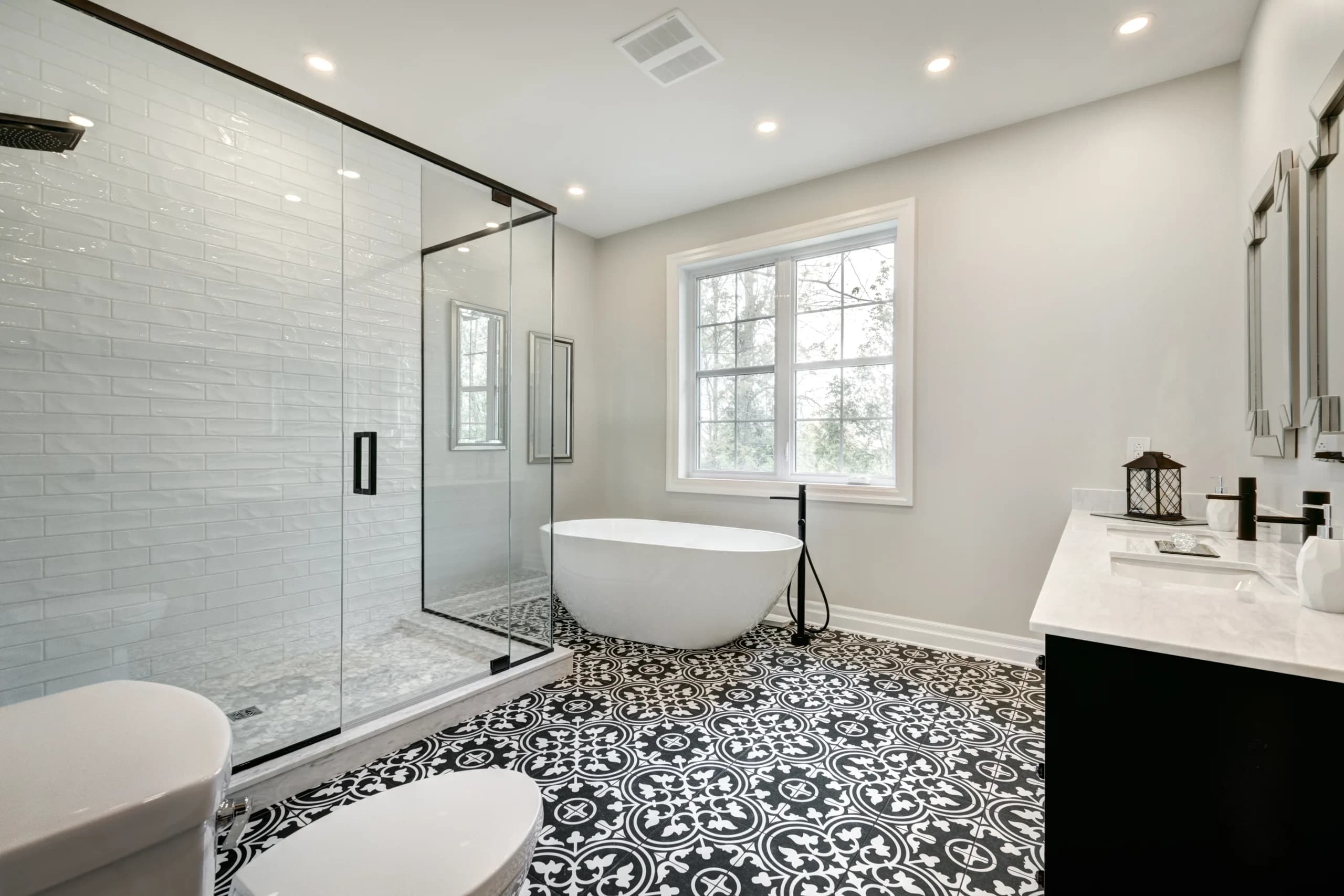
Primary suite additions (300-500 sq ft): Bedroom, walk-in closet, and luxury bathroom. Cost: $150,000-300,000. These additions offer excellent ROI and appeal strongly to Denver buyers.
In-law suites (500-800 sq ft): Separate living space with bedroom, bathroom, and kitchenette. Cost: $180,000-350,000. Similar to ADUs but attached to main house.
Denver Building Code Requirements
Denver has specific requirements for home additions:
Setback requirements: Additions must maintain minimum distances from property lines—typically 5 feet for sides and rear, 25 feet for front. Corner lots have additional restrictions for sight triangle visibility.
Height restrictions: Most Denver residential zones limit structures to 30 feet (2.5 stories). Some neighborhoods have stricter limits. Verify your zoning before pla
ing second-story additions.
Lot coverage: Denver limits how much of your lot can be covered by structures, typically 40-50% depending on zone. Large additions on small lots may exceed coverage limits.
Architectural compatibility: Some historic Denver neighborhoods require additions to match existing home architecture. Cherry Creek, Bo
ie Brae, and Hilltop areas often have design review requirements.
Energy code compliance: All additions must meet current Denver energy codes, including insulation values (R-50 ceiling, R-20 walls), window efficiency (U-factor 0.30 or better), and air sealing requirements.
The Denver Permit Process
Navigating Denver's permit process prevents delays and ensures code compliance:
Pre-application meeting: Schedule with Denver Development Services to review your plans and identify potential issues. This free 30-minute consultation prevents costly design mistakes.
Required documents: Building permit application, site survey showing addition relative to property lines, architectural plans (floor plans, elevations, sections), structural engineering stamps (for load-bearing changes or second stories), energy calculations.
Permit fees: Based on project valuation, typically $800-3,000 for residential additions. Includes plan review, building permit, and inspection fees.
Review timeline: Standard review takes 4-6 weeks. Expedited review (additional fee) reduces this to 2-3 weeks. Complex additions requiring variance approvals take 2-4 months.
Required inspections: Foundation, framing, electrical rough-in, plumbing rough-in, mechanical, insulation, final. Each must pass before proceeding to next stage.
Foundation Considerations for Denver
Denver's expansive clay soil creates unique foundation challenges:
Matching existing foundation depth: Additions typically match existing foundation depth (usually 4 feet in Denver to reach below frost line). Mismatched depths cause differential settling.
Soil testing: Expansive clay soil may require engineered fill, deeper footings, or special foundation designs. Soil tests cost $500-1,500 but prevent foundation failures.
Frost footings: Denver building code requires footings extend 42 inches below grade to prevent frost heaving. Shallow footings crack and shift during freeze-thaw cycles.
Foundation costs: Expect $15-25 per square foot for addition foundations, including excavation, footings, walls, waterproofing, and backfill. Difficult soil conditions increase costs 20-40%.
Co
ecting to existing structure: Properly tying new foundation to existing foundation prevents separation. This requires exposed existing foundation, drilling, and epoxy-set rebar.
Roof Integration and Desig
nSeamlessly integrating addition roofs with existing rooflines requires pla
ing:
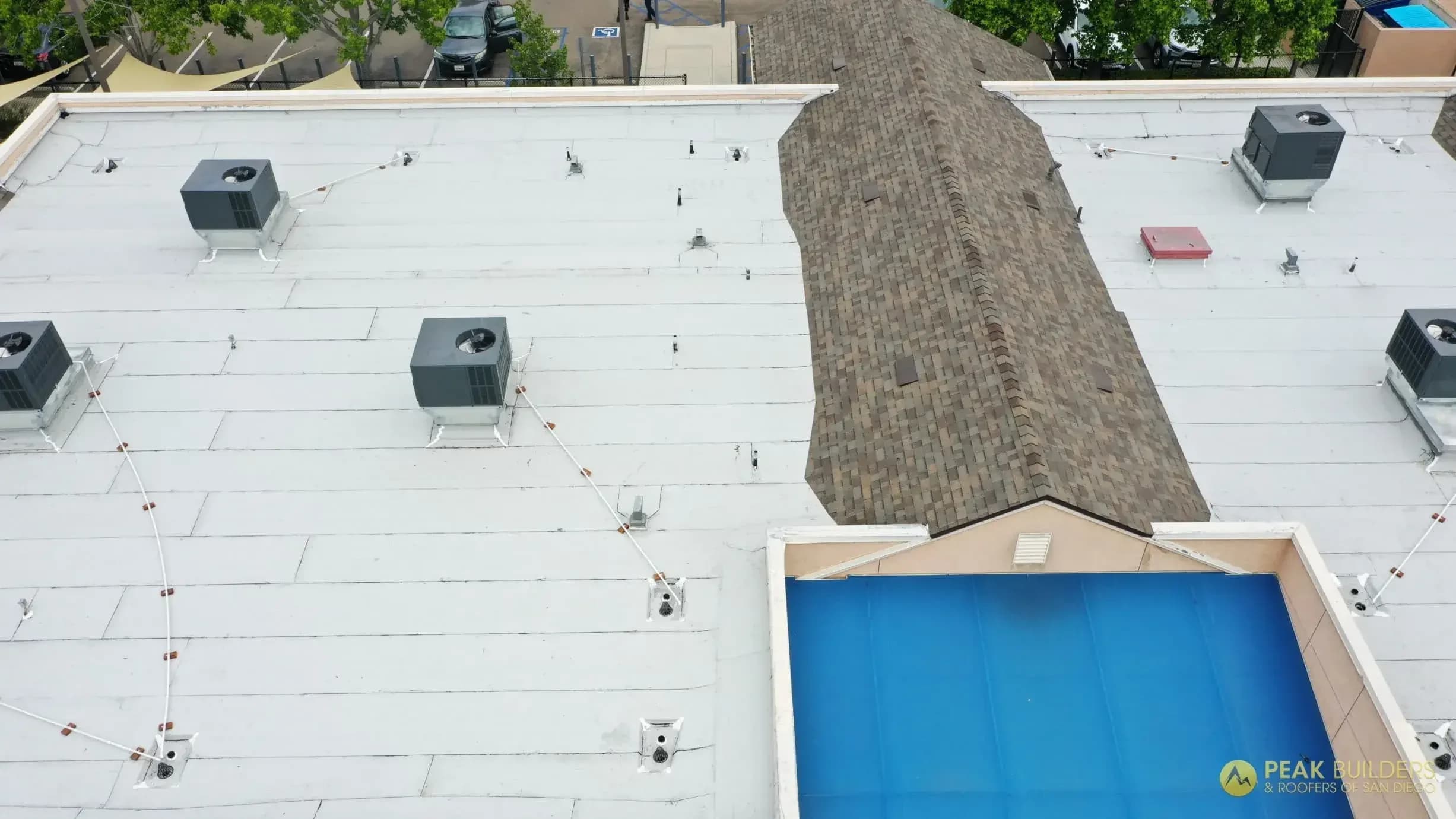
Matching roof pitch: Most additions match existing roof pitch (typically 4:12 to 8:12 in Denver) for architectural harmony. Mismatched pitches look awkward and may not satisfy HOA requirements.
Roofing material matching: Try to match existing roofing material and color. If current shingles are discontinued, consider re-roofing entire visible section for uniform appearance.
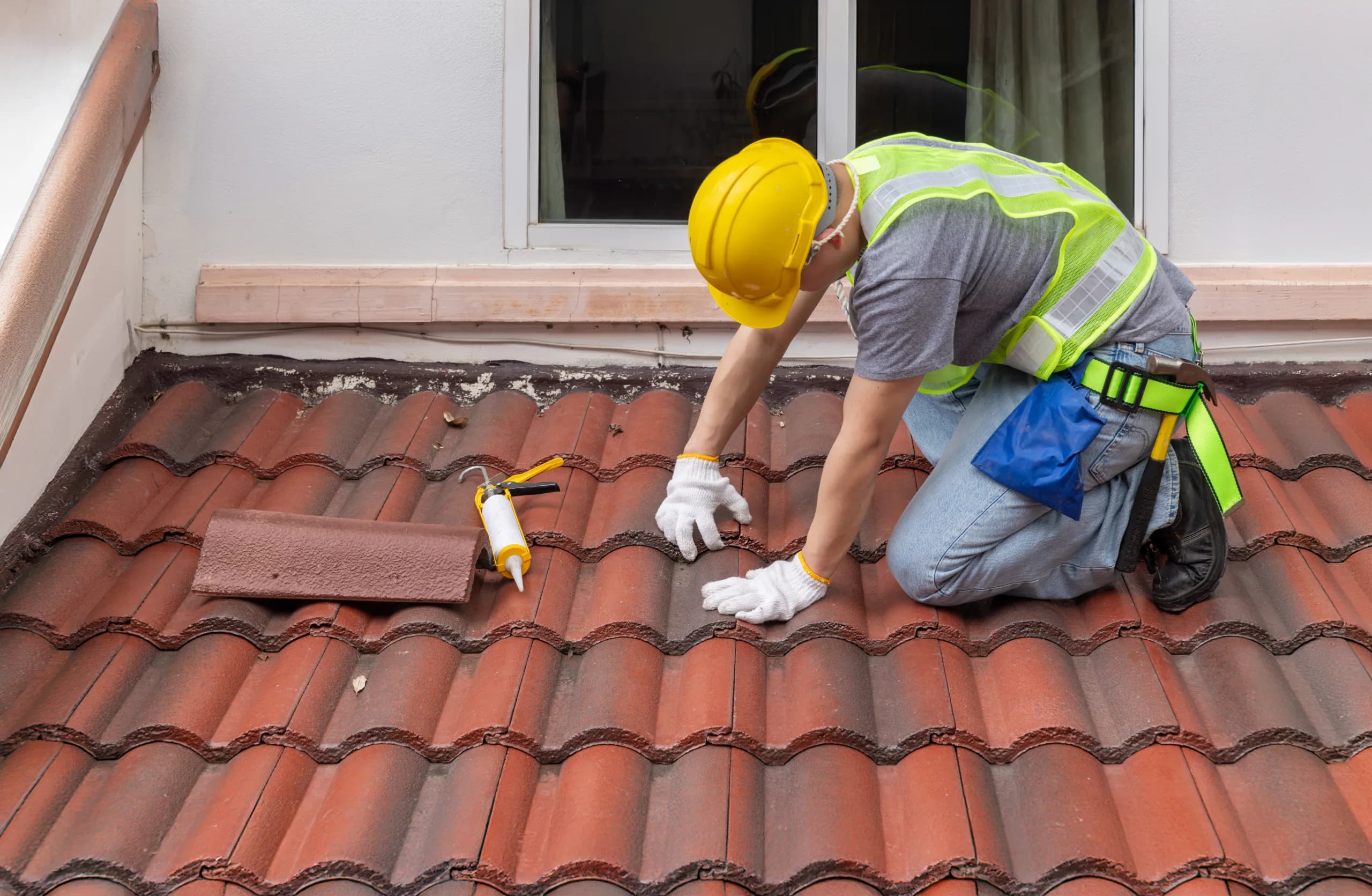
Valley flashing: Where addition roof meets existing roof, proper valley flashing prevents leaks. This critical detail requires experienced roofers familiar with Denver rain and snow patterns.
Attic ventilation: Additions need proper soffit intake and ridge exhaust ventilation. Inadequate ventilation shortens shingle life and promotes ice dams.
Roof costs: Addition roofing costs $8-15 per square foot installed, including sheathing, underlayment, and shingles. Complex roof lines with multiple valleys cost more.
HVAC and Utilities Extensio
nAdditions require heating, cooling, electrical, and plumbing extensions:
HVAC sizing: Existing systems rarely have capacity for additions. Options include: upgrading entire HVAC system ($8,000-15,000), adding mini-split system to addition only ($3,000-6,000), or extending existing system if barely adequate (not recommended—undersized systems run constantly and wear out quickly).
Ductwork runs: Extending ducts from basement or attic to additions costs $2,000-5,000. Ducts must be properly sized, sealed, and insulated to maintain efficiency.
Electrical panel capacity: Additions typically need 30-60 amps of additional capacity. If existing panel is full, upgrade to 200-amp service ($2,000-4,000). Budget $3,000-8,000 for addition electrical including outlets, lights, and switches.
Plumbing extensions: Bathrooms in additions require water supply and drain lines. Extending from nearby existing plumbing costs $3,000-6,000. Longer runs or basements requiring ejector pumps cost more.
Interior Finishes and Details
Finish quality dramatically affects addition costs and value:
Flooring: Match existing flooring types when possible. Hardwood matching costs $8-15 per sq ft installed. LVP provides economical alternative at $4-8 per sq ft while mimicking wood appearance.
Trim and doors: Match existing trim profiles and door styles. Custom-milled trim to match historic homes costs premium but maintains character. Standard trim runs $3-6 per linear foot installed.
Ceilings: Standard 8-foot ceilings minimize costs. 9 or 10-foot ceilings add $2-4 per sq ft but create spacious feeling. Vaulted ceilings in second-story additions add drama for $5-8 per sq ft additional.
Windows and doors: Budget $600-1,200 per window installed, $800-2,000 per exterior door. Energy-efficient windows (required by code) may qualify for utility rebates.
Paint: Interior painting costs $2-4 per sq ft including walls, ceilings, and trim. Matching existing colors throughout home creates cohesion.
Maximizing Addition ROI
Strategic decisions improve return on investment:
Bedroom and bathroom additions: Provide best ROI at 60-80% cost recovery. Denver buyers value extra bedrooms and bathrooms highly, especially in neighborhoods with smaller older homes.
Primary suite additions: Return 65-75% of costs and significantly improve daily living quality. Denver market strongly favors homes with luxury primary suites.
Match neighborhood: Don't over-improve. A $300,000 addition on a $400,000 home in a $450,000 neighborhood means you'll never recoup costs. Match addition quality to neighborhood expectations.
Avoid highly personal additions: Specialized spaces like indoor pools, elaborate home theaters, or wine cellars appeal to limited buyers and return 30-50% of costs.
Quality over size: Smaller addition with high-end finishes typically appraises better than larger addition with builder-grade materials.
Addition Timeline Expectations
Realistic scheduling prevents frustration:
Design and pla
ing (6-12 weeks): Architect/designer creates plans, structural engineer reviews, permits submitted. Don't rush this phase—good design prevents expensive changes during construction.
Permit approval (4-8 weeks): Denver plan review timeline varies by application volume. Submit complete applications to avoid resubmittals that reset timelines.
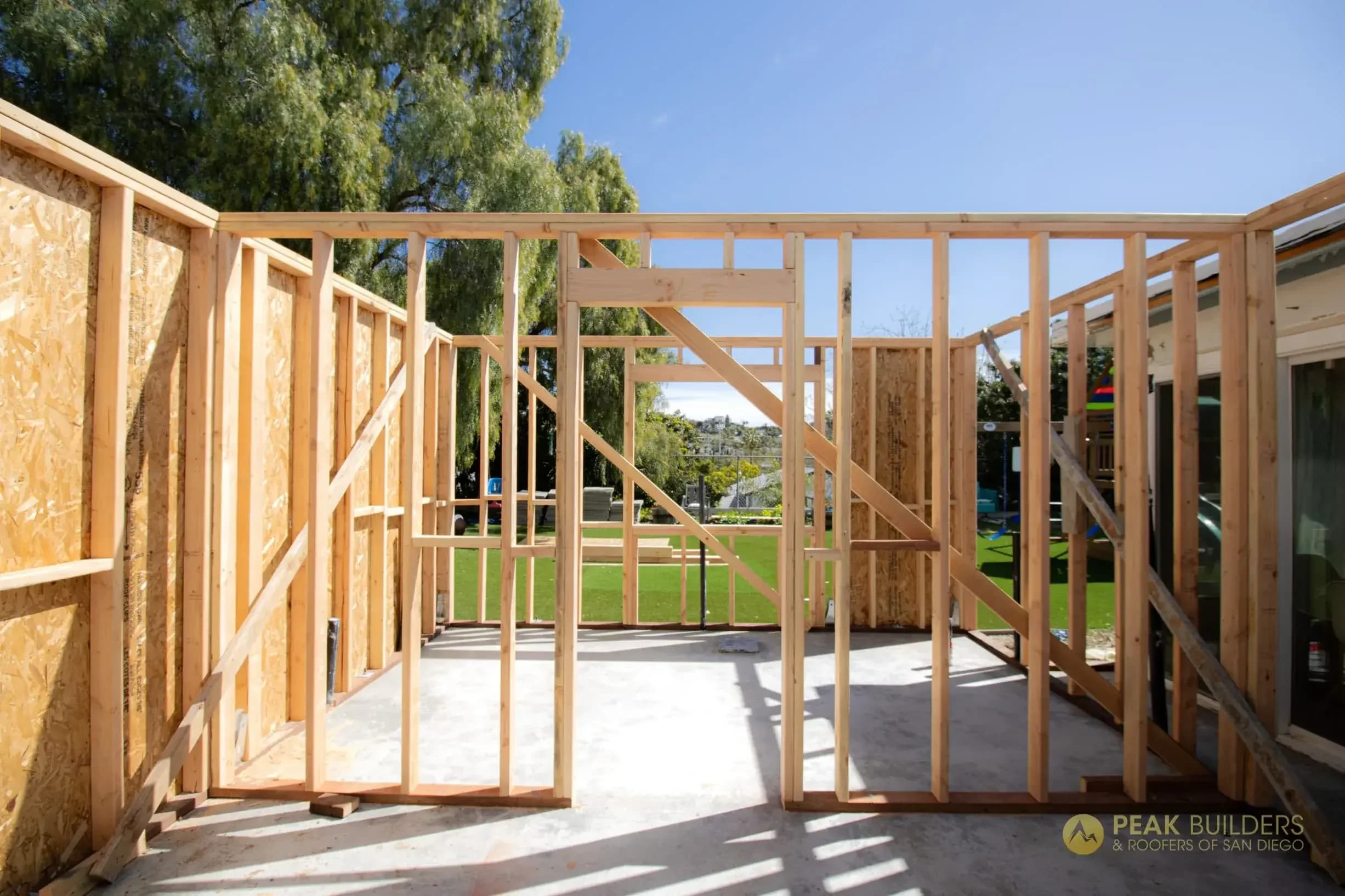
Foundation and framing (4-8 weeks): Excavation, foundation, framing, and roofing. Weather significantly impacts this phase—plan accordingly for Denver's unpredictable spring weather.
Mechanical and insulation (2-4 weeks): HVAC, electrical, plumbing rough-ins and inspections. Then insulation and air sealing.
Finishing (6-10 weeks): Drywall, flooring, trim, painting, fixtures. This phase includes multiple trade coordination.
Total timeline: 6-9 months from initial design through completion for typical single-room additions. Second-story additions take 8-12 months. Plan to start in spring for fall completion, avoiding winter weather disruptions.
Living Through Constructio
nHome addition construction disrupts daily life—prepare accordingly:
Noise and dust: Despite containment efforts, construction creates noise from 7am-5pm and dust that infiltrates the home. Plan to be out during the day if possible.
Access and parking: Contractors need driveway and street parking for trucks and equipment. Notify neighbors about temporary inconvenience.
Utilities interruption: Expect occasional water, electric, or HVAC shutoffs for tie-ins. Good contractors minimize these and provide advance notice.
Security: Addition construction creates access points to your home. Ensure contractors secure the site daily and keep valuable items locked.
Weather delays: Denver weather causes unpredictable delays. Summer hailstorms, winter snow, and spring rain all impact schedules. Build buffer time into plans.
Choosing the Right Addition Contractor
Quality contractors make the difference between successful and problematic additions:
Addition experience: General remodelers may lack addition expertise. Ask how many additions contractors have completed and request references for similar projects.
Licensed and insured: Verify active Colorado contractor license and insurance (general liability and workers comp). Request certificates and verify coverage directly with insurers.
Design-build vs separate: Design-build contractors handle design and construction, streamlining process but limiting design competition. Separate architect and contractor provides checks and balances but requires more coordination.
Detailed contracts: Quality contractors provide detailed contracts specifying materials, timelines, payment schedules, change order procedures, and warranty terms.
Communication expectations: Establish weekly updates, onsite meeting frequency, and how to reach contractors for questions. Poor communication causes most client-contractor conflicts.
Making Your Home Addition Decisio
nDetermine if an addition makes financial and practical sense:
Comparable home prices: Research what similar square footage homes sell for in your neighborhood. If additions push your home's value above neighborhood averages, you're over-improving.
Length of ownership: Plan to stay 5+ years after addition to recoup costs through appreciation and enjoyment. Selling immediately after additions rarely recoups full investment.
Alternatives comparison: Compare addition costs to moving costs (realtor commissions 5-6%, closing costs, moving expenses) and emotional factors (neighborhood attachment, school districts).
Lot suitability: Small lots, challenging topography, or restrictive covenants may make additions impractical or prohibitively expensive.
Peak Builders specializes in Denver home additions, from design through completion. We navigate permits, manage trades, and deliver additions that feel like original home construction. Contact us for a free consultation to explore your addition options.
*Sources: National Association of Home Builders, Remodeling Magazine Cost vs Value, [Denver Zoning Code](https://www.denvergov.org/Government/Agencies-Departments-Offices/Community-Pla
ing-and-Development/Zoning), American Institute of Architects*
Related Resources
Services:
- Home Additions Services - Expert room additions and second stories
- ADU Construction - Detached living units
- Kitchen Remodeling - Expand and update your kitchen
- Bathroom Remodeling - Add or renovate bathrooms
More Reading:
- ADU Construction Guide - Alternative to traditional additions
- Modular Construction Guide - Modern building methods
- 2026 Construction Trends - Latest industry developments