The True Cost of a \"Cheap\" Renovation (And How to Actually Save Money)
"We went with the cheaper guy. It's been a disaster."
We hear this at least once a month. A homeowner chose the lowest bid, saved 30% upfront, and now they're calling us to fix the results. By the time they pay for repairs, they've spent more than if they'd hired a quality contractor initially.
But here's the thing: being smart about money isn't wrong. We don't believe every renovation needs top-of-the-line everything. There are absolutely places to save without sacrificing quality.
The trick is knowing which is which.
Where Cheap Costs You More
The Contractor Themselves
The biggest hidden cost isn't materials—it's workmanship. A cheap contractor often means:
- Poor project management: Jobs drag on, schedules slip, you miss weeks of your life waiting for someone to show up.
- Substandard work: Corners cut that won't show for a year or two—then fail spectacularly.
- No real warranty: That "guarantee" means nothing if the contractor is unreachable or out of business.
- Failed inspections: Rework costs money and time. Some contractors avoid permits entirely, creating bigger problems later.
We've fixed kitchens where cabinets were shimmed with cardboard. Bathrooms where tile was installed over water-damaged subfloor. Additions where structural headers were undersized. These repairs cost more than doing it right the first time.
Plumbing and Electrical
Behind-the-walls work is where you absolutely cannot cut corners:
- Cheap electrical: Fire hazard. Insurance nightmare. Literally dangerous.
- Cheap plumbing: Slow leaks cause mold, rot, and structural damage. One hidden leak can cause $50,000 in damage.
- Skipped permits: Insurance may not cover damage from unpermitted work. Sales become complicated.
We've opened walls in "renovated" kitchens and found electrical splices held together with electrical tape instead of proper junction boxes. We've found PVC drain lines that weren't properly sloped, slowly backing up sewage. The repairs cost far more than doing it right initially.
Waterproofing and Moisture Control
Denver has a relatively dry climate, but moisture problems still happen—and they're expensive when they do:
- Bathroom waterproofing: Skipping proper waterproofing behind tile saves $500 and costs $10,000 when the subfloor rots.
- Basement moisture: "It's fine" is not a waterproofing strategy. Finish over a damp basement and you'll be tearing it out in five years.
- Flashing and weather barriers: Addition tie-ins to existing structures need meticulous waterproofing. Cut corners here and you get water intrusion.
Foundation and Structural Work
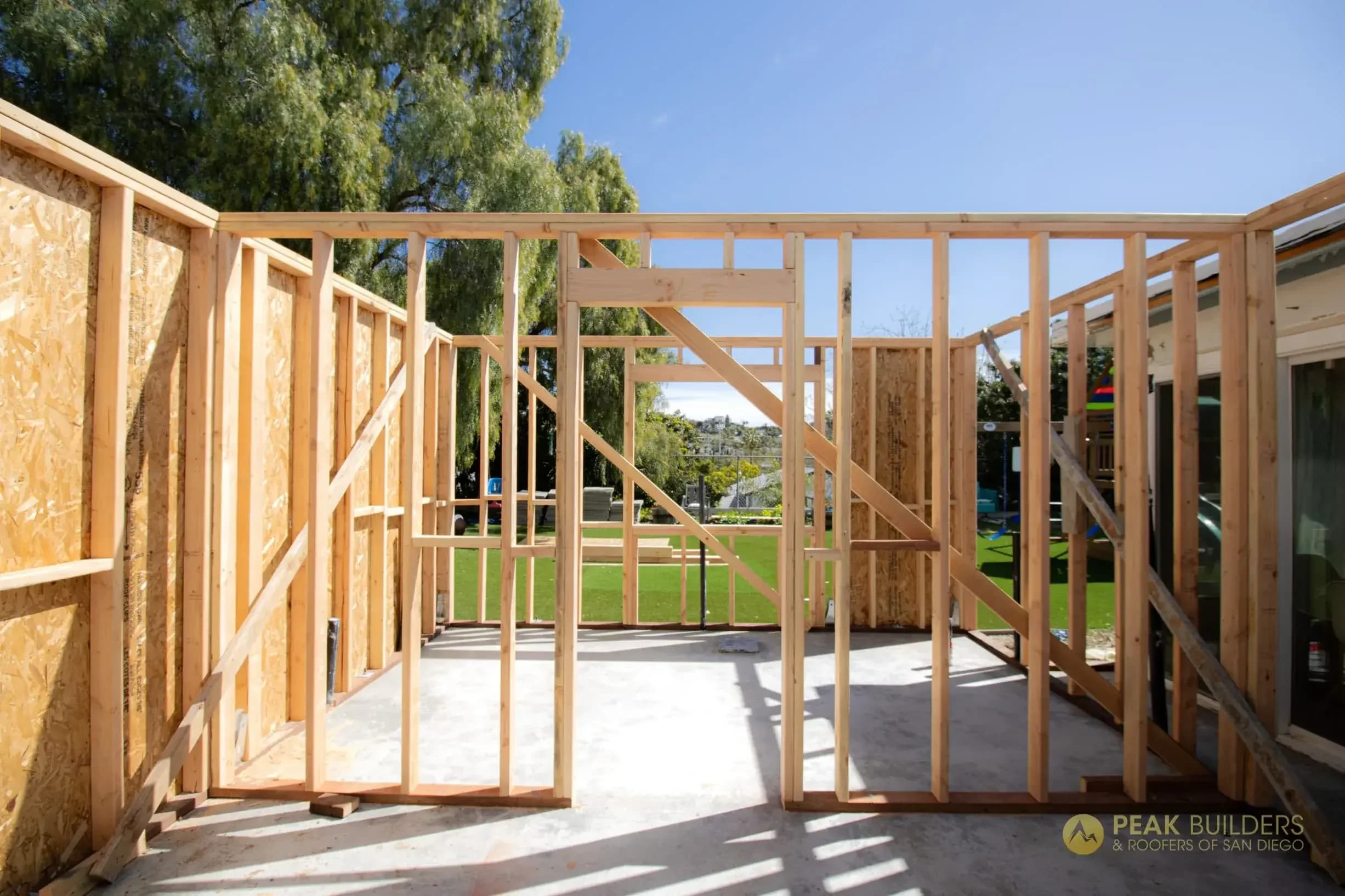
Any project involving load-bearing walls, foundations, or structural modifications needs proper engineering. Cheap contractors skip this step:
- Undersized headers: That wall you "opened up" is now sagging because the beam is too small.
- Improper foundation support: Your addition is settling because footings weren't right.
- Deck attachment: Decks pull away from houses when ledger boards are wrong. Falls happen.
Structural engineers cost $1,500-$3,000. Fixing structural failures costs $15,000-$50,000 or more. The math is obvious.
Where You CAN Save Without Regret
Now for the good news: plenty of places to trim costs wisely.
Cabinet Box Quality
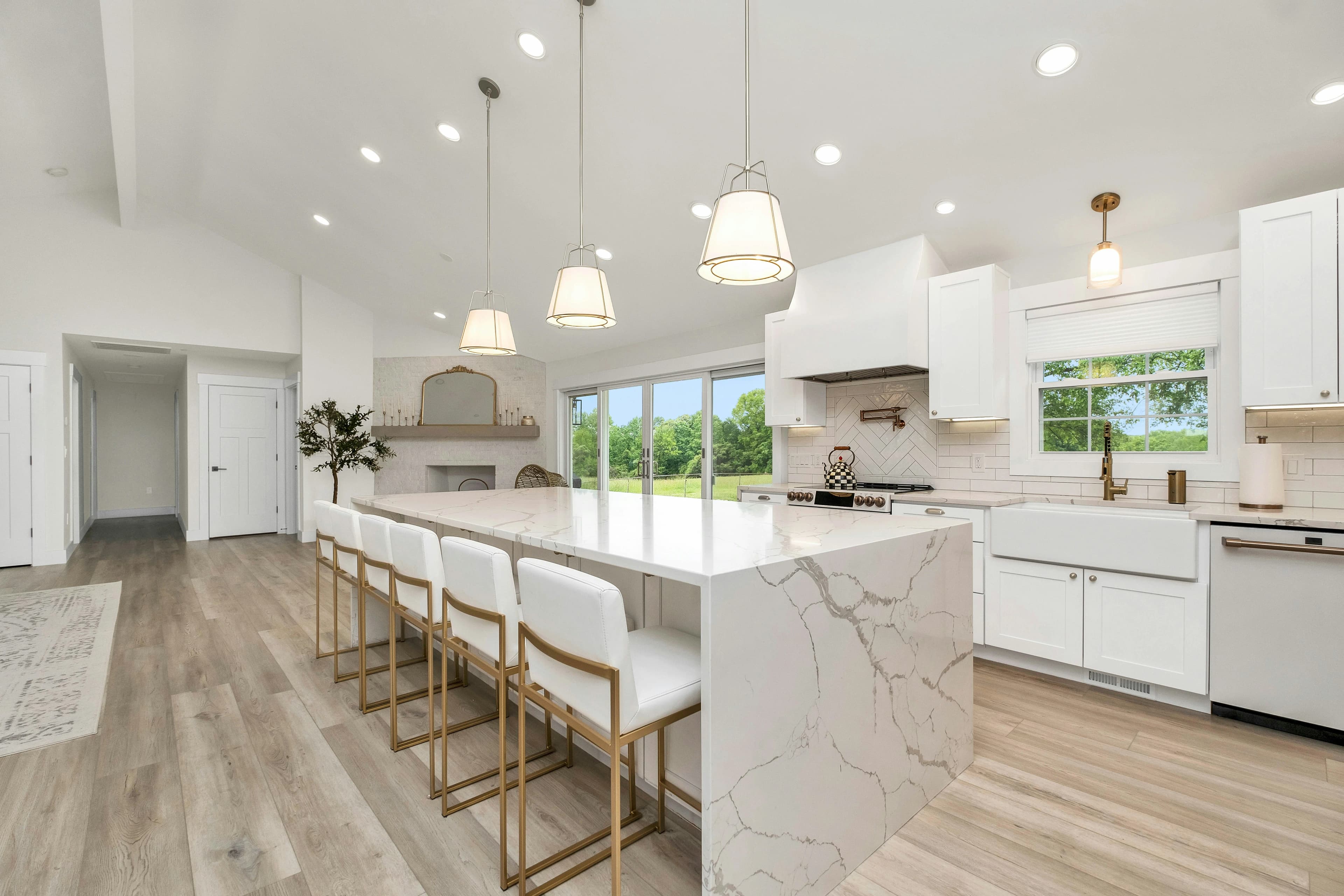
Here's a secret: mid-range cabinet boxes function almost identically to premium ones. The differences are door style, finish quality, and drawer glide smoothness—not whether your cabinets will hold dishes.
Where to save: Cabinet boxes themselves (plywood vs. fancy construction barely matters)
Where NOT to save: Drawer glides (soft-close is worth it), door finish (you see this every day)
Countertop Thickness
2cm countertops look nearly identical to 3cm countertops once installed. The thinner option costs 20-30% less and performs the same.
Where to save: Thickness (go 2cm with plywood support)
Where NOT to save: Material itself (cheap granite chips; quality quartz lasts)
Tile Selection
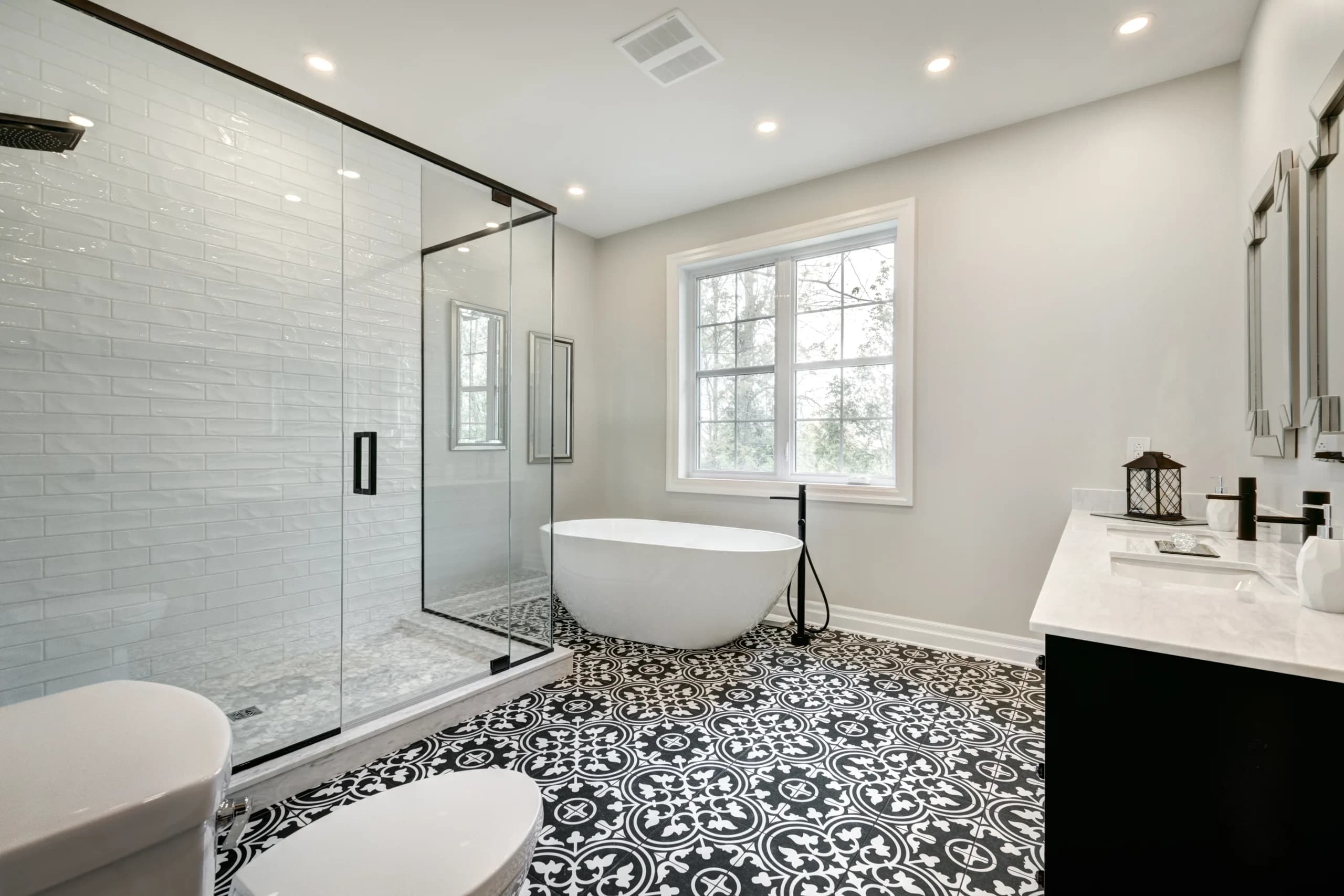
The difference between a $5/sq ft tile and a $15/sq ft tile is mostly aesthetics and brand name. A well-installed basic tile looks better than a poorly-installed premium one.
Where to save: Tile cost per square foot
Where NOT to save: Installation labor (this determines how it looks and lasts)
Lighting Fixtures
Most lighting fixtures are commodity products with brand markups. A $200 pendant from a home improvement store often comes from the same factory as a $600 designer version.
Where to save: Fixture purchase price (shop around, check outlets)
Where NOT to save: Installation quality and light bulb quality
Paint Quality (Within Reason)
There's a difference between cheap paint and premium paint. But the difference between premium and ultra-premium is minimal for most applications.
Where to save: Don't need the $80/gallon paint—$50/gallon is fine
Where NOT to save: Don't use $20/gallon bargain paint (you'll need more coats and it won't last)
The Smart Way to Reduce Renovation Costs
If budget is tight, here are legitimate ways to save:
1. Phase your project
Don't do everything at once. Do the kitchen this year, bathrooms next year. This spreads costs without cutting quality.
2. Do some work yourself (the right work)
Demo, painting, final cleaning—these are homeowner-friendly tasks. Save labor costs where skill isn't critical.
Don't DIY: Electrical, plumbing, structural, tile installation, cabinet hanging. These require skill that takes years to develop.
3. Be flexible on timing
Winter projects sometimes cost less due to scheduling. Contractors may offer better prices when they need to fill schedules.
4. Simplify design
Complex layouts, unusual angles, and intricate details all cost extra. Simple, well-executed design often looks better anyway.
5. Shop materials yourself
Many contractors mark up materials. Ask if you can purchase directly with their specs. You might save 10-20% on materials.
6. Get a realistic budget upfront
The most expensive renovation is the one that runs out of money halfway through. Know your true costs before starting.
Questions to Ask Before Choosing the Cheapest Bid
If one contractor is significantly cheaper, ask:
- "Your bid is 25% below others. Can you walk me through why?"
- "What allowances are included for materials?"
- "What's your change order policy?"
- "What warranty do you provide? In writing?"
- "Can I see your insurance certificate and contractor license?"
- "Can I speak to three references from similar projects?"
Sometimes there's a legitimate explanation. Often there isn't.
The Real Bottom Line
We're not saying expensive always means better. We've seen overpriced contractors do mediocre work.
What we're saying is: understand where value comes from. Invest in workmanship, structural integrity, and behind-the-wall work. Save on finishes, fixtures, and aesthetic choices where quality differences are minimal.
The goal isn't the cheapest renovation or the most expensive one. It's the smartest one—quality where it counts, savings where it doesn't.
Want to Talk Through Your Budget?
If you're planning a renovation and trying to figure out where to save and where to invest, we're happy to help think it through. We'll give you honest guidance about what matters in your specific project.
Call (720) 605-7785 or schedule a consultation. No pressure—just straight talk about making your budget work.