ADU Construction Guide: Maximizing Your Denver Property Value
Understanding ADUs in Denver
Accessory Dwelling Units (ADUs) have transformed from a niche housing option to a mainstream solution for Denver homeowners. Whether you need rental income, space for aging parents, or a home office separate from your main residence, ADUs offer flexibility that traditional additions ca
ot match.
Denver's ADU regulations have evolved significantly in recent years, making it easier than ever to add these versatile structures to your property. The city actively encourages ADU development as part of its affordable housing strategy.
Types of ADUs Allowed in Denver
Denver permits three main types of ADUs, each with specific requirements and benefits:
Detached ADUs are standalone structures in your backyard, typically 400-1,200 square feet. These offer maximum privacy and can be designed to complement your main home or feature completely different architecture. Detached ADUs work best on lots with adequate space (typically 5,500+ square feet).
Attached ADUs co
ect to your primary residence but have a separate entrance. Common configurations include additions above garages or extensions off the side or rear of the home. These are often more cost-effective than detached units since they share utilities and foundation work.
Internal ADUs convert existing space within your home (basement apartments, converted garages) into separate living quarters. These represent the most affordable ADU option but offer less privacy than detached or attached units.
As of 2024, Denver allows ADUs in all residential zones without special permits, a significant change from previous restrictions. However, specific requirements still apply:
Size limits: ADUs ca
ot exceed the size of your primary dwelling or 1,200 square feet, whichever is less. Most Denver ADUs range from 600-900 square feet, providing comfortable living space without maximizing allowable square footage.
Parking requirements have been eliminated for ADUs, removing a major barrier. You no longer need to provide additional parking spaces to build an ADU, even if street parking is limited.
Owner occupancy requirements state that you must live in either the primary residence or the ADU. You ca
ot rent both structures while living elsewhere. This rule ensures ADUs serve Denver's housing needs rather than becoming purely investment properties.
Setback requirements vary by zone but typically require 5 feet from side and rear property lines. Detached ADUs must be at least 10 feet from the primary residence.
ADU Cost Breakdown for Denver Projects
Understanding costs helps set realistic expectations for your ADU project:
Detached ADU construction: $250,000-$400,000 for a complete 600-800 square foot unit. This includes foundation, framing, utilities, finishes, and permits. Costs increase for larger units or high-end finishes.
Garage conversion: $100,000-$180,000 depending on existing conditions. Converting an existing garage saves on foundation and framing costs but requires addressing heating, insulation, and creating a separate entrance.
Above-garage ADU: $180,000-$300,000 for new construction above an existing garage. This option maximizes lot space but requires structural engineering to ensure the garage can support additional weight.
Cost factors that significantly impact budget: soil conditions (Denver's expansive clay soil can require deeper foundations), utility access (ru
ing gas, water, sewer, and electric to a detached ADU adds $15,000-30,000), and material choices (high-end finishes can add 25-40% to project cost).
Financing Your Denver ADU
Most homeowners use one of these financing methods for ADU construction:
Home equity line of credit (HELOC) offers flexibility to draw funds as needed during construction. Denver's strong real estate appreciation means most homeowners have substantial equity to tap. Current HELOC rates range from 7-9% depending on credit.
Cash-out refinance replaces your existing mortgage with a larger loan, providing cash for construction. This works best when current rates are comparable to your existing mortgage rate.
Construction loans specifically for ADUs are available through some Denver credit unions and local banks. These convert to permanent financing after construction completes. Expect rates 1-2% higher than conventional mortgages.
Some Denver homeowners use FHA 203(k) rehabilitation loans if they're simultaneously purchasing a property. These combine purchase and construction financing into one loan.
Maximizing ADU Rental Income
ADU rental income can offset construction costs and provide long-term cash flow. Denver's strong rental market makes ADUs attractive investments:
Studio ADUs (400-500 sq ft) rent for $1,200-1,600/month in most Denver neighborhoods, with higher rates in desirable areas like Wash Park, Highlands, or Congress Park.
One-bedroom ADUs (600-800 sq ft) command $1,600-2,200/month depending on location and finishes. Units with modern amenities, separate entrances, and private outdoor space rent at premium rates.
Short-term rental potential: Denver allows ADU owners to rent on platforms like Airbnb for up to 30 days, though you must be present on the property during rentals. Well-located ADUs can earn $3,000-5,000/month through short-term rentals, though this requires more management than traditional rentals.
Property value increase: Denver homes with ADUs sell for $75,000-150,000 more than comparable homes without ADUs, partially offsetting construction costs even if you never rent the space.
Design Considerations for Denver ADUs
Thoughtful design maximizes your investment and ensures the ADU serves its intended purpose:
Climate-appropriate design matters in Denver's variable weather. Include: adequate insulation (R-50 ceiling, R-20 walls minimum), high-efficiency windows (triple-pane for north-facing exposure), and proper drainage to handle spring runoff from snow melt.
Parking strategy: While Denver doesn't require additional parking for ADUs, consider tenant needs. Providing parking (even a simple gravel pad) makes your ADU more attractive to renters and easier to sell if you list your home.
Kitchenette vs full kitchen: Studio ADUs often include kitchenettes (small fridge, microwave, sink, minimal counter space) to reduce costs. Larger ADUs benefit from full kitchens with ranges and standard appliances, commanding higher rent.
Outdoor space: Even small private patios or decks significantly increase ADU desirability. Denver renters value outdoor access, especially after pandemic lockdowns highlighted its importance.
Storage solutions: Built-in storage compensates for limited square footage. Include: closet organizers, under-stairs storage, wall-mounted shelving, and furniture with hidden storage.
The ADU Permit Process in Denver
Denver's streamlined ADU permit process typically takes 4-8 weeks from application to approval:
Step 1: Site survey and design. Hire an architect or designer to create plans showing your ADU relative to property lines, existing structures, and utilities. Plans must include floor plans, elevations, electrical, and plumbing layouts.
Step 2: Submit building permit application through Denver Development Services. Include: completed application forms, architectural plans, site survey, construction specs, and permit fee ($2,000-4,000 depending on project size).
Step 3: Plan review. Denver reviews for code compliance, zoning regulations, and structural soundness. Expect 2-4 weeks for initial review. Address any questions or required revisions promptly to avoid delays.
Step 4: Permit issuance. Once approved, permits are valid for 180 days. Begin construction within this window or request an extension.
Step 5: Inspections during construction. Expect inspections at foundation, framing, electrical, plumbing, and final stages. Schedule these through your contractor to ensure proper sequencing.
Choosing the Right ADU Contractor
Selecting an experienced ADU contractor makes the difference between a smooth project and a problematic one:
ADU-specific experience matters. General contractors may not understand Denver's ADU regulations or common challenges. Ask potential contractors how many Denver ADUs they've completed and request references from those projects.
License and insurance verification: Confirm contractors hold current Colorado licenses and carry adequate liability and workers compensation insurance. This protects you from liability if accidents occur.
Transparent pricing: Quality contractors provide detailed estimates breaking down materials, labor, permits, and contingencies. Beware of quotes significantly lower than others—they often lead to change orders that exceed higher initial bids.
Communication and process: Discuss how the contractor handles communication, change orders, and unexpected issues. Establish expectations for update frequency, site cleanliness, and working hours.
Common ADU Mistakes to Avoid
Learning from others' mistakes saves money and frustration:
Underestimating utility costs: Ru
ing new utilities to detached ADUs costs $15,000-30,000. Budget for trenching, new meters, and co
ection fees. Some Denver neighborhoods require utility upgrades to serve additional units.
Neglecting soundproofing: Especially important for attached or internal ADUs. Invest in sound-dampening insulation, separate HVAC systems, and solid-core doors. Good soundproofing preserves privacy and reduces tenant turnover.
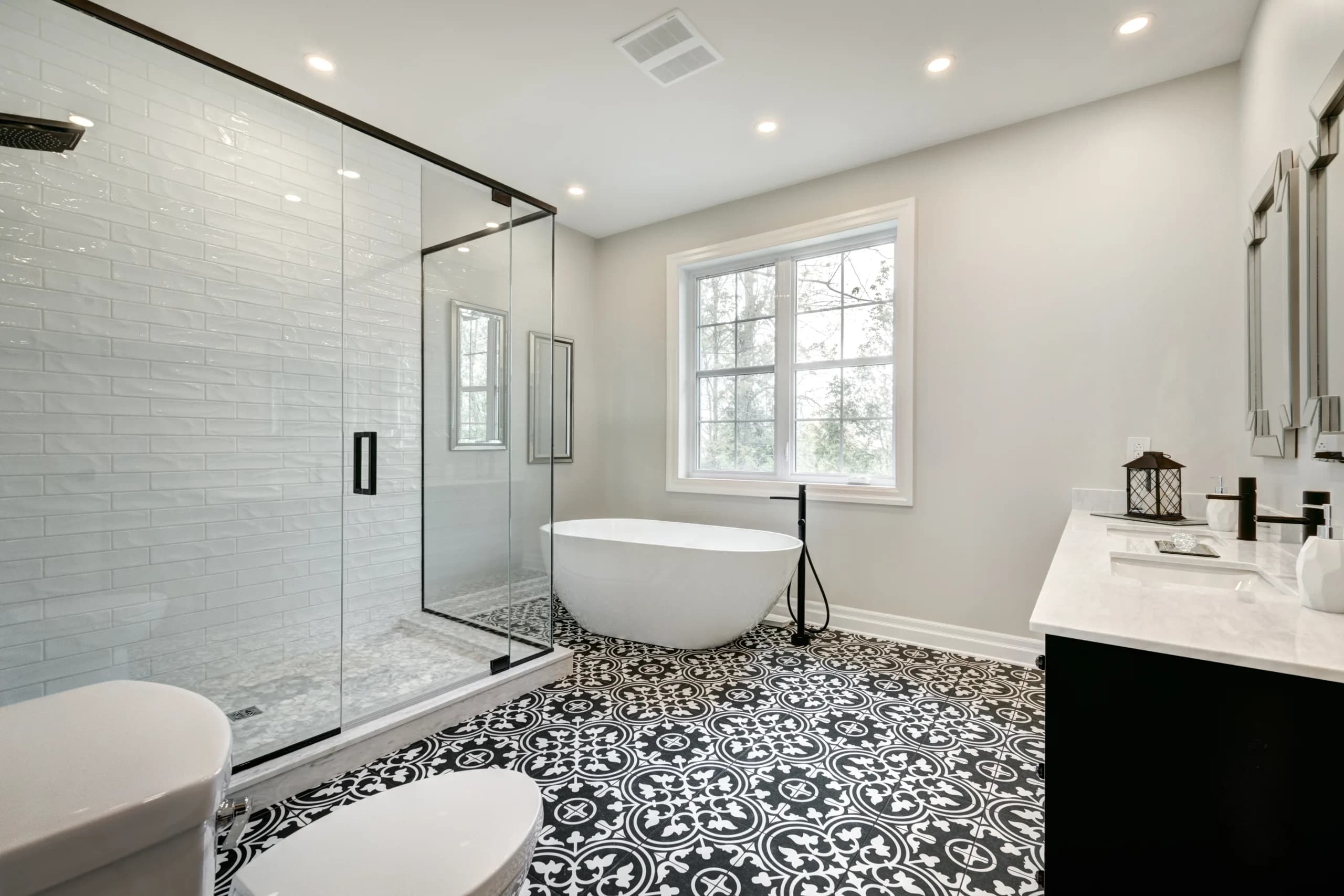
Skimping on kitchen and bathroom: These rooms drive rental value. Use durable, attractive materials that withstand tenant use. Mid-range finishes typically offer the best cost-to-value ratio.
Ignoring HOA restrictions: Some Denver HOAs prohibit or restrict ADUs despite city regulations allowing them. Review your HOA covenants before investing in design and permits.
Forgetting about ongoing costs: Factor in property tax increases (ADUs add to assessed value), insurance costs, maintenance, and utilities when calculating return on investment.
ADU Timeline Expectations
Realistic timeline pla
ing prevents frustration:
Pre-construction (3-4 months): Design development, permit applications, contractor selection, and financing arrangements.
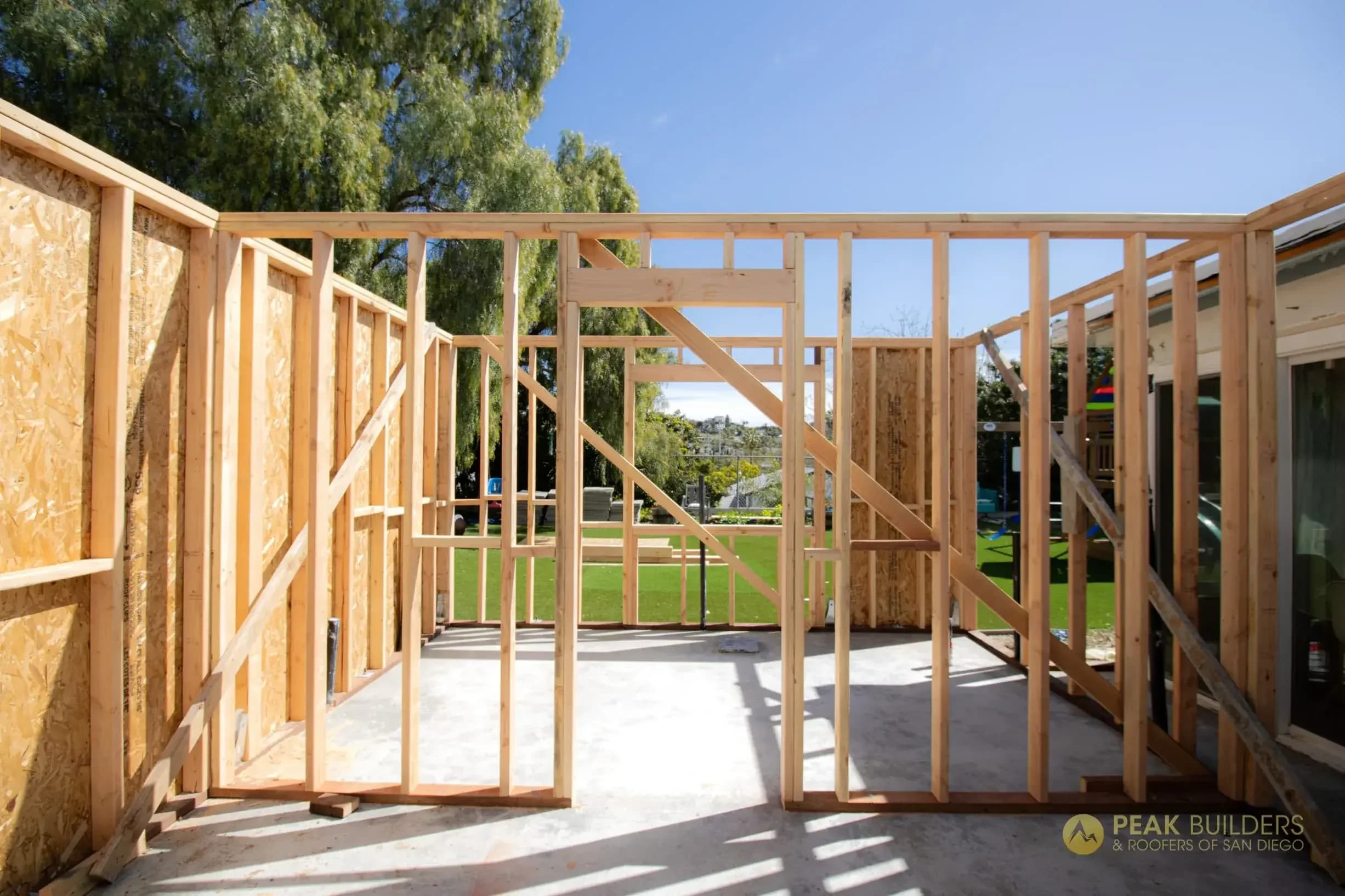
Construction for detached ADU (4-7 months): Foundation (2-3 weeks), framing and exterior (4-6 weeks), mechanical/electrical/plumbing (3-4 weeks), insulation and drywall (3-4 weeks), finishes (4-6 weeks).
Garage conversions (2-4 months): Shorter timeline since foundation and structure exist, though unknown conditions can extend schedules.
Denver's weather impacts construction schedules. Concrete work requires temperatures above 40°F. Plan accordingly—starting in spring allows completion before winter.
Is an ADU Right for Your Denver Property?
Consider these factors when deciding if ADU construction makes sense:
Lot size and shape: Properties under 5,000 square feet may struggle to accommodate detached ADUs while maintaining usable yard space. Narrow lots may require attached or internal ADUs.
Neighborhood character: While legally permitted, some established Denver neighborhoods favor designs that complement existing homes. Work with architects familiar with your specific neighborhood.
Long-term plans: ADUs make most sense if you plan to stay in your home 5+ years to recoup construction costs through rent or property value appreciation.
Alternative uses: Consider all potential uses beyond rental income—home offices, artist studios, elderly parent housing, teen hangout spaces—to maximize value throughout your ownership.
Peak Builders specializes in Denver ADU construction, navigating permit processes, and creating designs that maximize your property investment. Contact us for a free consultation to explore your ADU options.
*Sources: Colorado General Assembly - HB 24-1152, [Denver Community Pla
ing and Development](https://www.denvergov.org/Government/Agencies-Departments-Offices/Community-Pla
ing-and-Development), AARP ADU Model State Act, Urban Land Institute*
Related Resources
Services:
- ADU Construction Services - Full-service ADU design and build
- Home Additions - Traditional additions for your home
- Basement Finishing - Alternative living space option
- Full Home Remodel - Complete renovation services
More Reading:
- Denver Home Additions Guide - Expand your main home
- Modular Construction 2025 - Modern building methods
- Sustainable Building Materials - Eco-friendly construction options