Peak Builders
Basement Finishing in Denver
Basement Finishing Experts

Basement Finishing in Denver

Licensed Colorado GC. 20-30 basements finished per year. Egress windows, legal bedrooms, full permit handling. 5-year workmanship warranty.

Recent Project
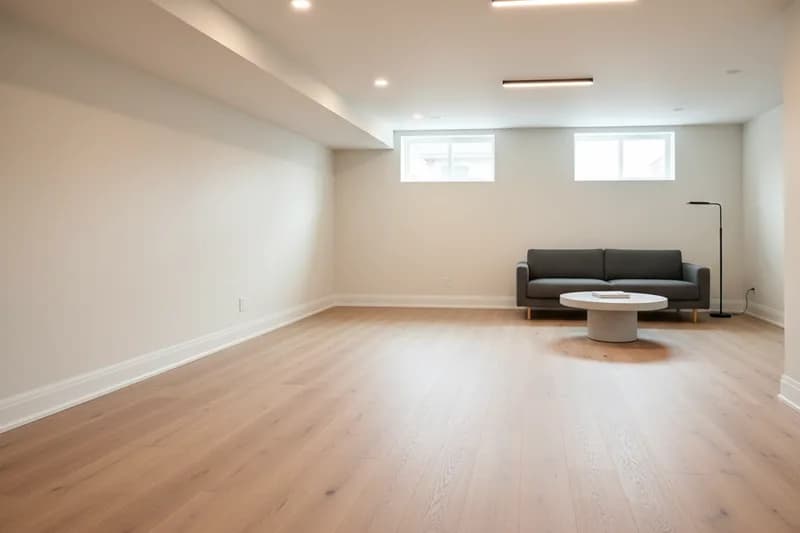
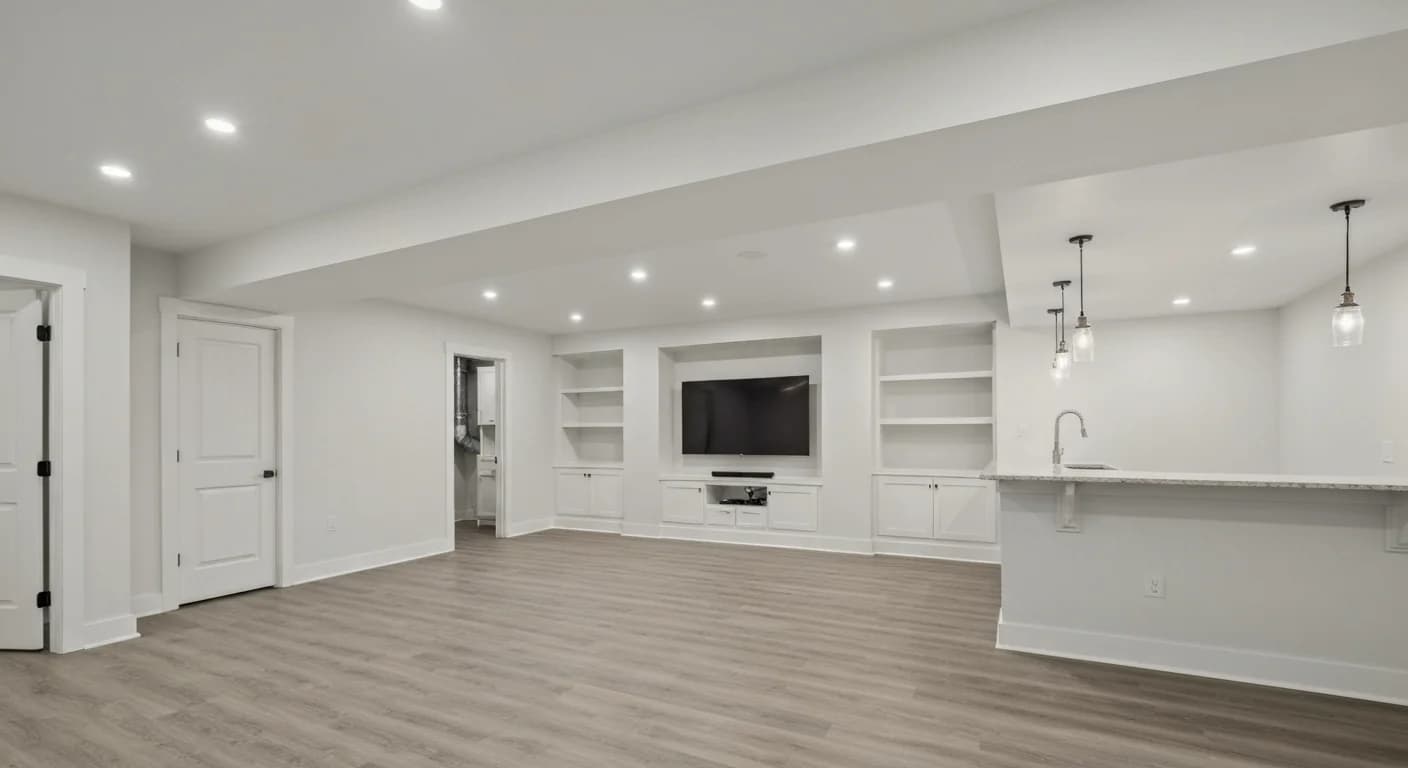
Finished Denver basement with LVP flooring, media room and bar area
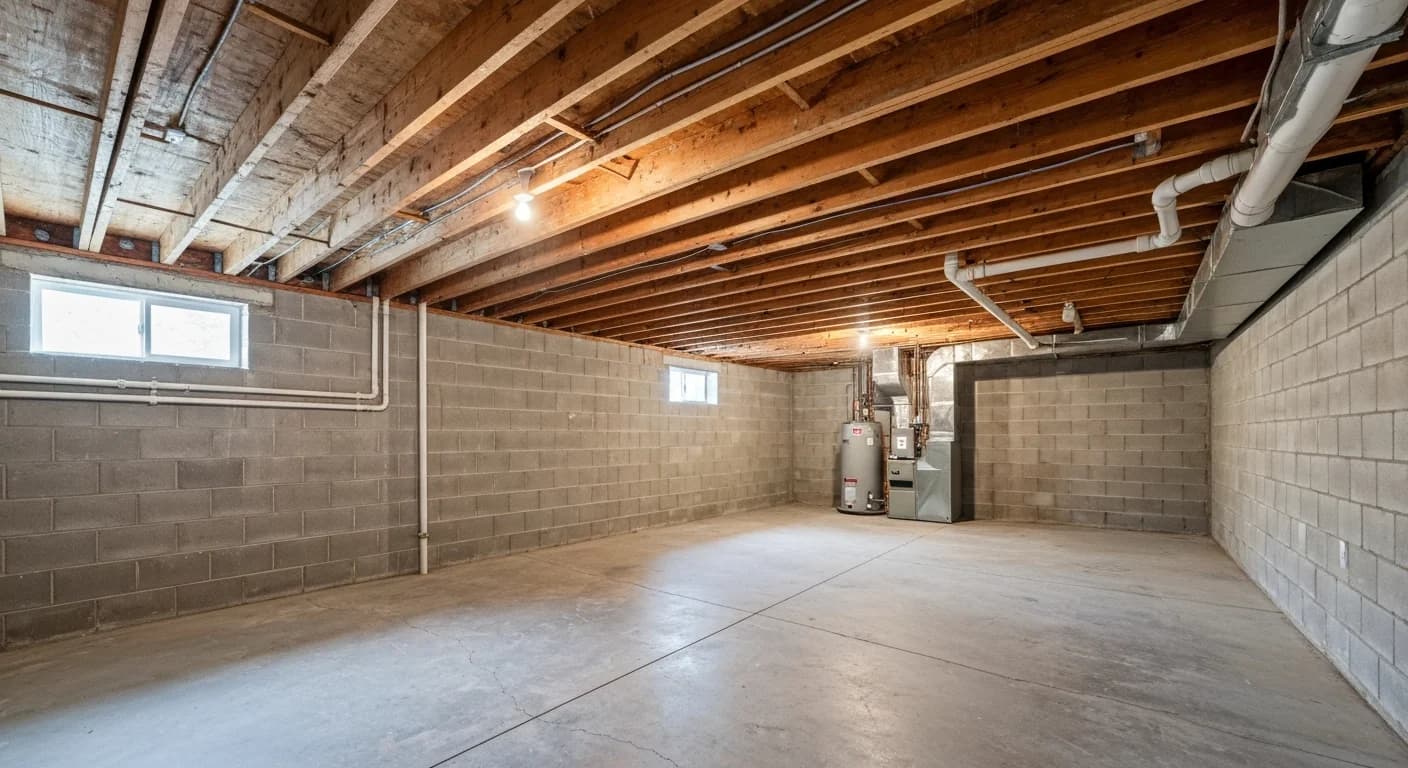
Unfinished Denver basement before renovation, concrete walls and exposed joists
Before
After

Denver basement — LVP flooring, media room, built-in bar + legal bedroom

Denver has one of the highest rates of unfinished basement square footage in the country. The reason is simple: most of the metro's new-build homes from the 1990s through 2010s came with unfinished basements as a standard feature — the builders poured the slab, framed the walls, roughed in the plumbing, and left the rest to the homeowner. The result is that hundreds of thousands of Denver homes are sitting on 700–1,200 square feet of raw space that could be a family room, a home office, a guest suite, or a rental unit.

Peak Builders has finished dozens of Denver basements. Here's what you should know before starting yours.

What a Finished Basement Adds

The most immediate impact is livable square footage. A finished basement typically adds 700–1,200 sq ft to your home's usable space without touching the footprint. It also adds to your home's appraised value — appraisers count finished below-grade space at a discount to above-grade, but it's real value, and buyers notice finished basements when they're shopping.

A second benefit is energy efficiency. Properly insulated basement walls and floors (rigid foam at the slab level, batt insulation in framed walls) reduce heating costs in Denver winters.

Denver-Specific Considerations

Egress Windows

Denver building code requires egress windows in sleeping rooms below grade. If you're adding a bedroom (even a guest room), you'll need an egress window cut and a window well excavated. This is a permit-required modification that we handle in-house — don't skip it, because it's both a code requirement and a safety issue.

Moisture and Radon

Denver basements see less moisture intrusion than coastal markets, but they're not immune to it. Before framing, we check for any signs of water entry at the perimeter and address them. We also test for radon — Colorado has some of the highest radon levels in the US, and a sub-slab depressurization system is a low-cost addition during a finish that's much more expensive to add later.

HVAC Extension

Your existing furnace likely has capacity to serve a finished basement, but the ductwork needs to be extended. We design the HVAC layout as part of the project plan — supply vents in the ceiling, return air path planned so the system works properly. A basement that's connected to the same thermostat as the main floor feels like part of the house, not an afterthought.

Common Basement Layouts

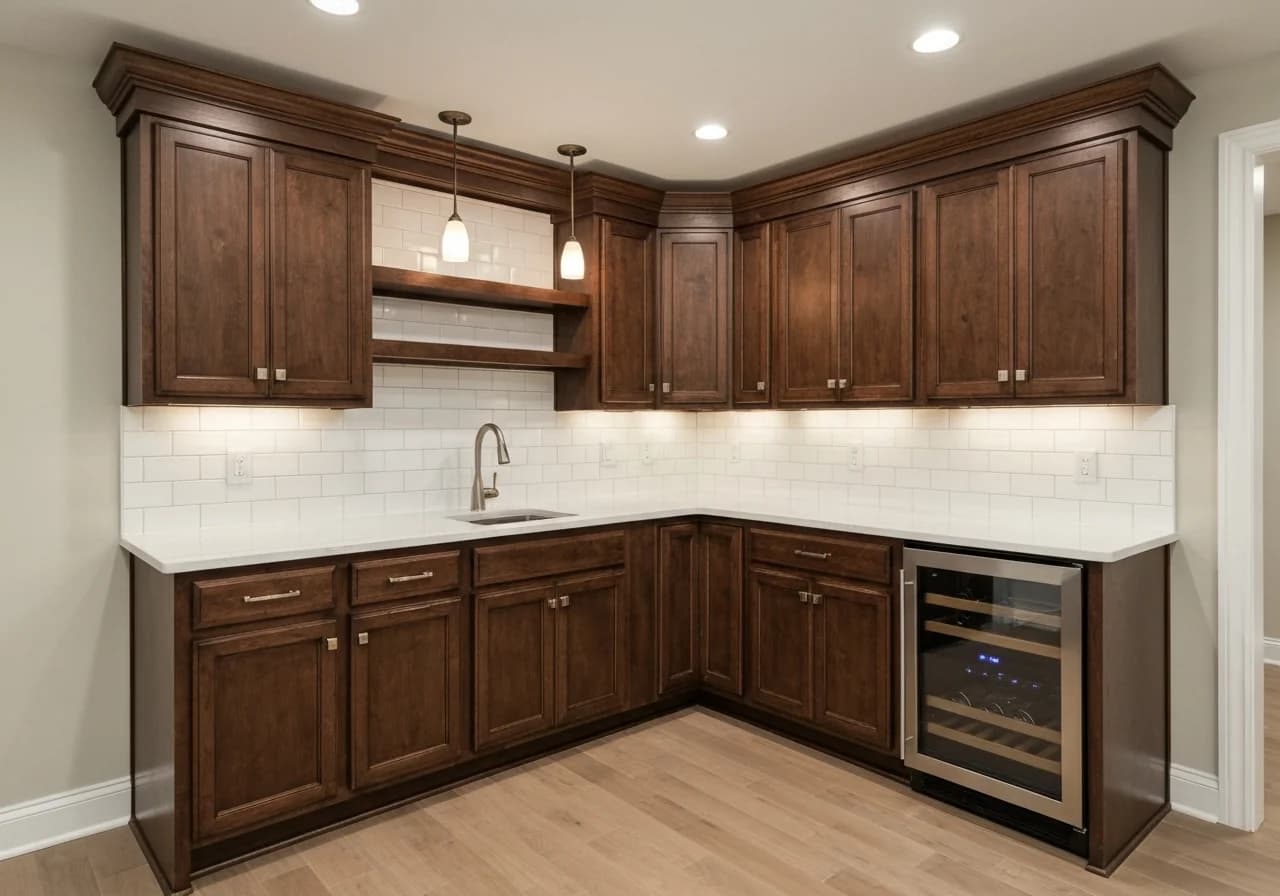
Family room + bar + bathroom: The most common Denver basement finish. A large open space for a TV and seating area, a wet bar with a mini fridge, and a three-quarter bath. Works with virtually any footprint.

Home office suite: A dedicated office (with a closet, so it qualifies as a bedroom if you sell), a small conference/reading area, and good lighting. In-demand since 2020 in Cherry Creek and Park Hill.

Guest suite: Bedroom + bathroom + small living area. Works well when the layout allows for a private entry from the main floor.

ADU or rental unit: Requires a separate exterior entrance, a full kitchen, and its own electrical panel. More permit work, but it generates monthly income.

Our Process

We start with a site visit to understand the existing conditions — slab flatness, ceiling height, utility locations, existing rough-in plumbing. Then we design a layout that works with the structural constraints and your goals.

We pull a building permit (always), extend HVAC and electrical, frame and insulate, hang drywall, install flooring, finish the bathroom if included, and do a final walkthrough before permit close-out.

Getting Started

Call (720) 605-7785 or book a free consultation online. We'll walk through your basement, discuss the layout options, and give you a clear picture of what's involved before you make any decisions.
Ready to get started? Free on-site consultation.

Our Work

Basement Finishing — Project Photos

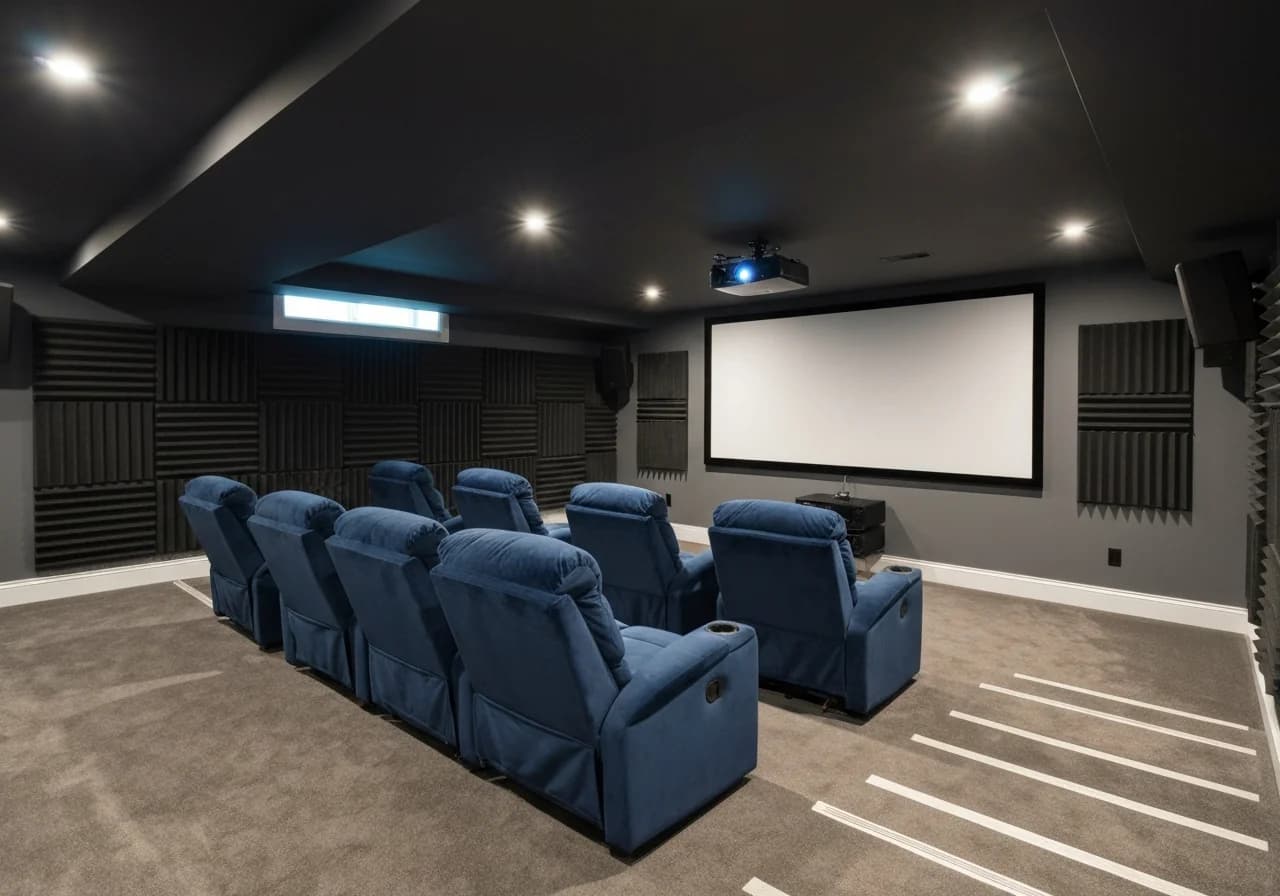
Basement home theater Denver
Wet bar in finished Denver basement
Finished basement Denver
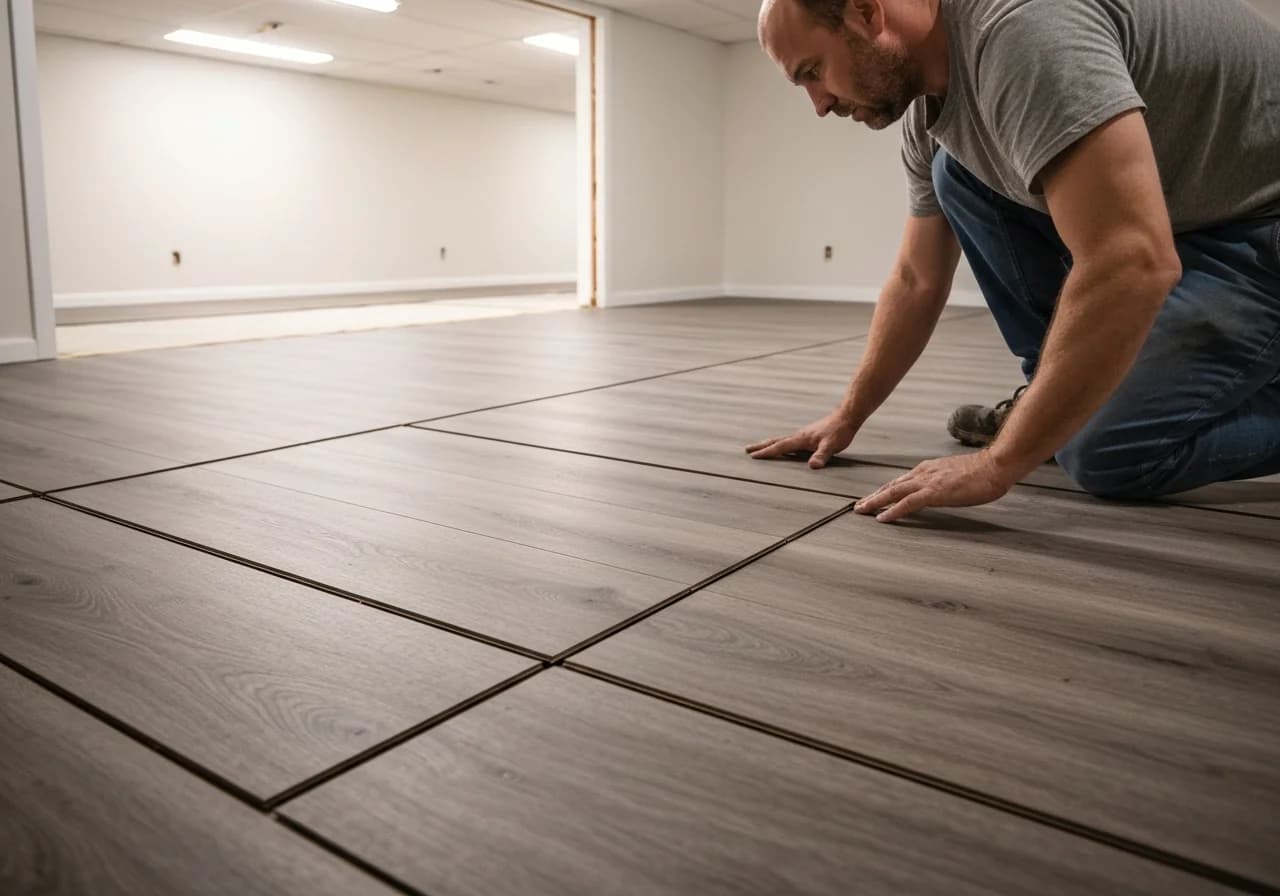
LVP flooring installation Denver basement
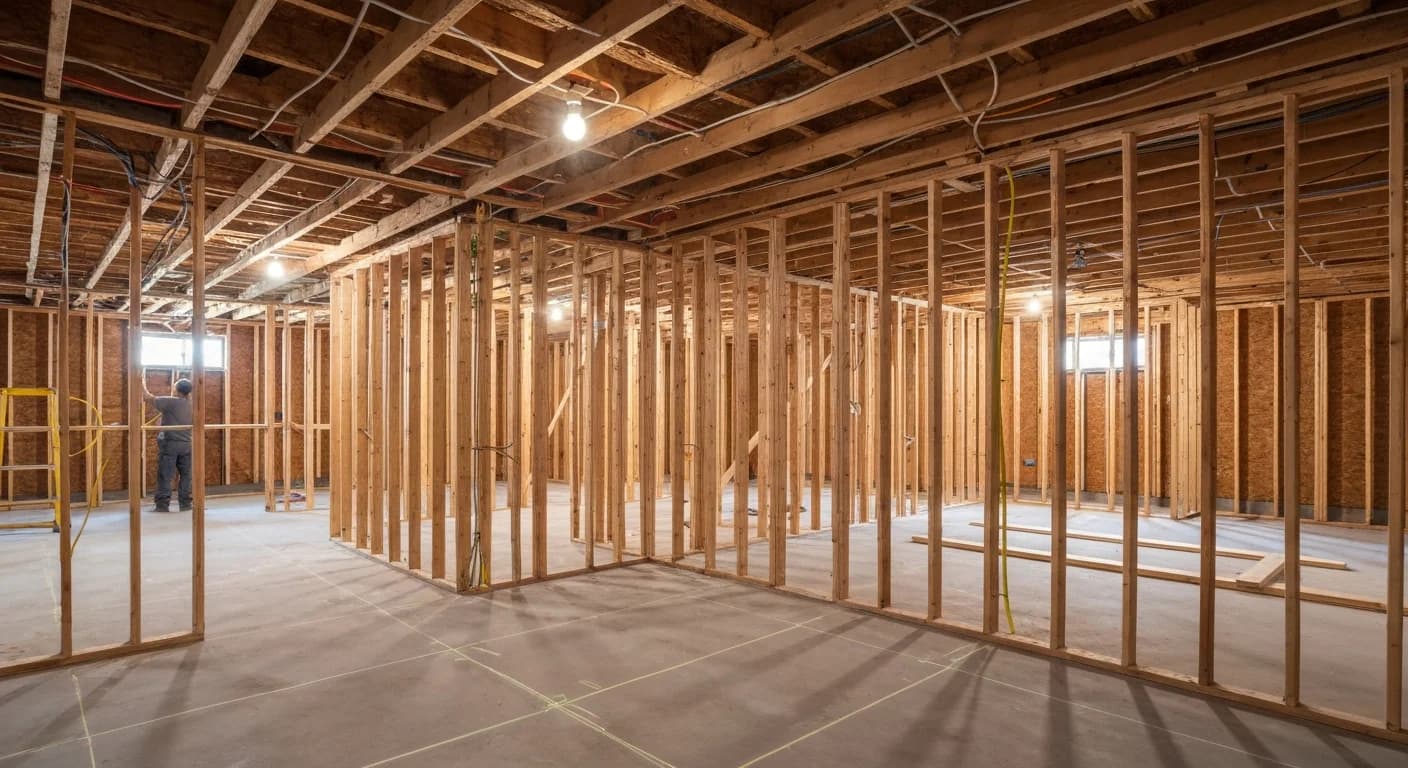
Basement framing in progress Denver
At a Glance

Basement Finishing Options

Common Denver basement layouts and what they require

Open Rec Room

Permit Required
Yes
Egress Window
Not required
Bathroom
Optional
Key Benefit
Maximum open space, lowest complexity

Family Suite + Bathroom

Most Popular
Permit Required
Yes
Egress Window
Not required
Bathroom
✓ Included
Key Benefit
Adds a full usable living area

Legal Bedroom

Permit Required
Yes
Egress Window
✓ Required
Bathroom
Optional
Key Benefit
Adds a countable bedroom to the home

ADU / Rental Apartment

Permit Required
Yes (ADU permit)
Egress Window
✓ Required
Bathroom
✓ Required
Key Benefit
Generates rental income

Basement Finishing Services

Frequently Asked Questions

A mid-range kitchen remodel in Denver generally runs 6 to 10 weeks from demo to final walkthrough, while a bathroom remodel is usually 3 to 5 weeks. Those timelines assume permits are pulled before work starts and that material selections are finalized early. Delays in choosing tile, cabinetry, or fixtures are the most common reason projects run long, so we encourage clients to lock in selections before the first hammer swings.

Yes, nearly all basement finishing projects and all home additions in Denver require a building permit through Denver Community Planning and Development. Structural work, electrical, plumbing, and mechanical changes each trigger their own inspections. We handle the permit applications on your behalf, and we never recommend skipping permits — unpermitted work can create serious problems when you sell or file an insurance claim.

Your HOA can require you to submit plans for approval and impose design standards, but it generally cannot override a valid City of Denver building permit once you meet its covenants. The practical step is to submit your project drawings to your HOA architectural review committee before we pull city permits, so both tracks move in parallel. We can prepare the documentation your HOA typically requests and flag any covenant restrictions that might affect your design.

A design-build firm handles architecture, design, and construction under one contract, which streamlines decisions and keeps accountability in one place. A spec builder constructs homes or units on speculation to sell later, with no client customization involved. We operate as a design-build remodeler, meaning we guide you from concept and drawings through finished construction rather than selling pre-built product.

We work with third-party financing partners that offer home improvement loans, and many Denver homeowners also use home equity lines of credit or FHA 203(k) rehab loans for larger projects. We can walk you through the options that typically fit projects of your scope during an initial consultation. We do not act as a lender, but we can provide the detailed cost estimates lenders require.

After a hail event, the first step is a professional roof inspection to document damage before you file a claim with your insurer. We can provide that inspection and a written damage report that matches the format adjusters expect. Once your claim is approved, we work directly with your insurance company to align our scope of work with the approved estimate, so there are no billing surprises on your end.

Waterproofing and basement finishing are separate scopes, and waterproofing should always come first. If your Denver basement shows any signs of moisture intrusion, efflorescence, or past flooding, we assess and address that before framing walls or installing flooring. Finishing over an unaddressed moisture problem is one of the most expensive mistakes homeowners make, so we treat it as a prerequisite rather than an upsell.

Denver has broadly legalized accessory dwelling units across most residential zones under its 2021 zoning updates, but rules on size, setbacks, height, and lot coverage still vary by zone district. A detached ADU on a standard Denver lot typically cannot exceed 35 percent of the main home's square footage or 1,000 square feet, whichever is less. We pull your specific zoning designation early in the design phase to confirm what is allowable before you invest in drawings.

Interior remodels — kitchens, bathrooms, basements — proceed without meaningful weather-related delays in winter. Exterior work like additions, roofing, and concrete flatwork is more sensitive to temperature and precipitation, though experienced Denver crews plan around forecast windows and use heating blankets for concrete pours. We schedule exterior phases to minimize cold-weather risk and build reasonable buffer into winter project timelines.

We provide a one-year workmanship warranty on all remodeling and construction work, covering defects in installation and labor. Manufacturer warranties on materials — cabinetry, windows, roofing systems, appliances — are separate and pass directly to you at project completion. If something fails within our warranty period, we schedule a correction visit promptly and at no charge to you.

Get in touch today.

Ready to start your basement finishing project?

Call +1-720-605-7785
LocationServing Denver Metro