Home Remodeling & Construction Trends 2026: The Complete Denver Guide
If you've been thinking about renovating your home in 2026, you're probably wondering what's changed since the pandemic-era remodeling boom. The short answer? A lot. But here's the thing—most of what you'll read online about "trends" focuses on surface-level stuff like cabinet colors and tile patterns. Those matter, sure, but they're not going to help you make smart decisions about a $50,000 kitchen renovation or a $100,000 basement finish.
What you actually need to know is how the construction industry has shifted, what materials and labor really cost right now, which design choices will hold value, and where Denver homeowners specifically should focus their investment. That's what this guide covers.
I've been watching the Denver remodeling market closely, talking to suppliers, subcontractors, and homeowners who've recently completed projects. What follows isn't marketing fluff—it's the real picture of what home renovation looks like heading into 2026.
The State of Home Remodeling in 2026
Let's start with some context that matters for your budget. The total home improvement market grew to roughly $574 billion last year and is projected to hit around $615 billion by the end of 2026. That growth sounds great until you realize a big chunk of it is simply inflation—the same project costs more today than it did three years ago.
Here's the breakdown that actually affects your wallet:
Material costs are elevated and staying there. Overall construction inputs are about 44% higher than they were in 2020. Steel prices have jumped 13% recently, aluminum is up 23%, and copper products have increased nearly 5% year-over-year. Tariffs on steel, aluminum, and some copper products—in some cases reaching 50%—are showing up directly in contractor bids. Industry forecasts suggest material costs will inflate another 2% to 4% this year.
Labor is the bigger problem. The construction industry needs an estimated 500,000 additional workers in 2026, according to the Associated Builders and Contractors. An aging workforce combined with not enough young people entering the trades has created a bottleneck that's been building for years. Construction wages are rising faster than the broader economy—over 4% a
ually—and that cost gets passed directly to you. Many contractors report labor expenses up 4-5% year-over-year.
The good news? Interest rates are expected to continue their gradual decline through 2026, which should help if you're financing your project. And here's something most articles won't tell you: reconstruction and remodeling projects are becoming a larger share of the market. Developers and homeowners alike are investing in existing properties rather than building new. That means more competition for contractor time, but also more specialized expertise available for renovation work.
Kitchen Remodeling: What Actually Makes Sense in 2026
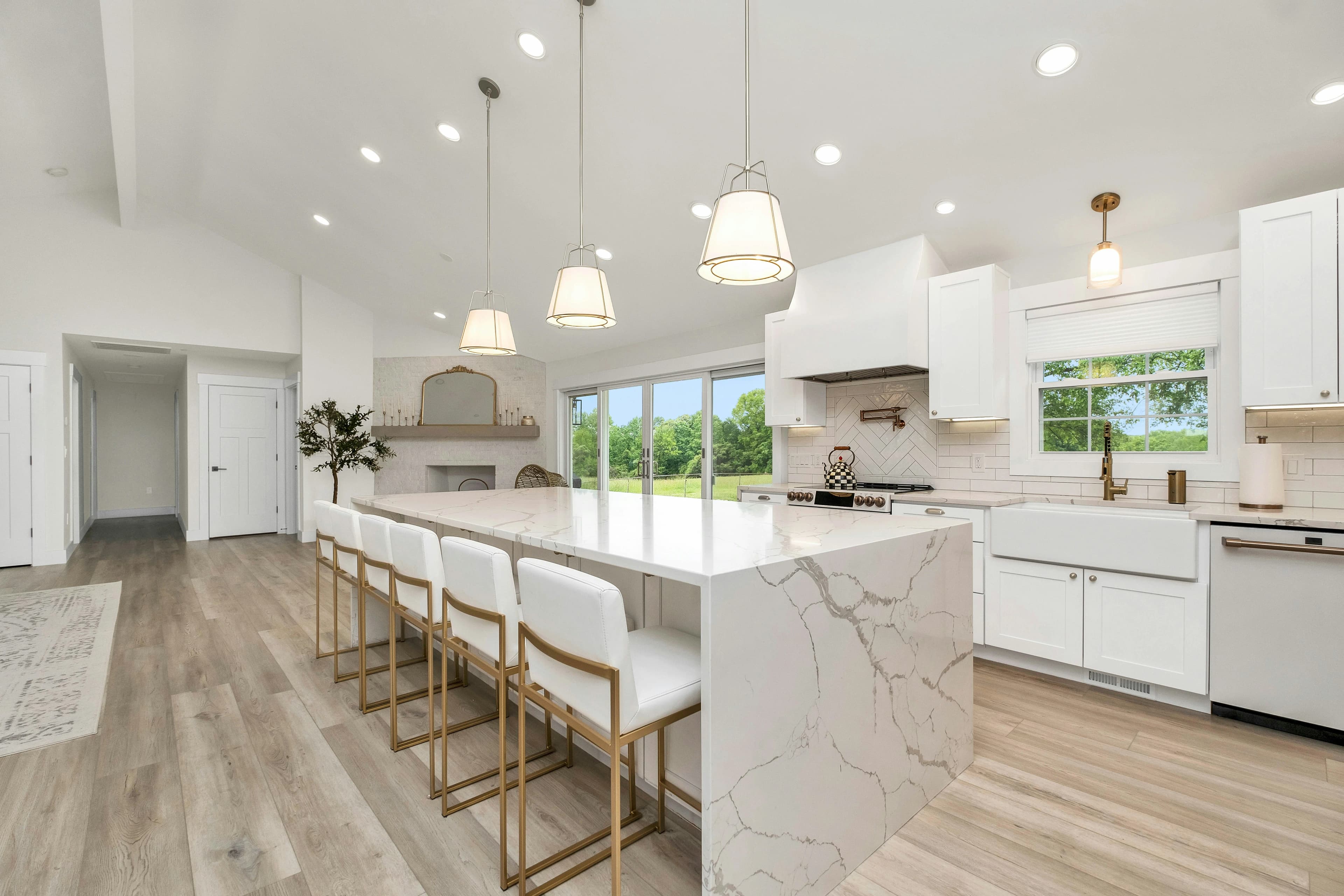
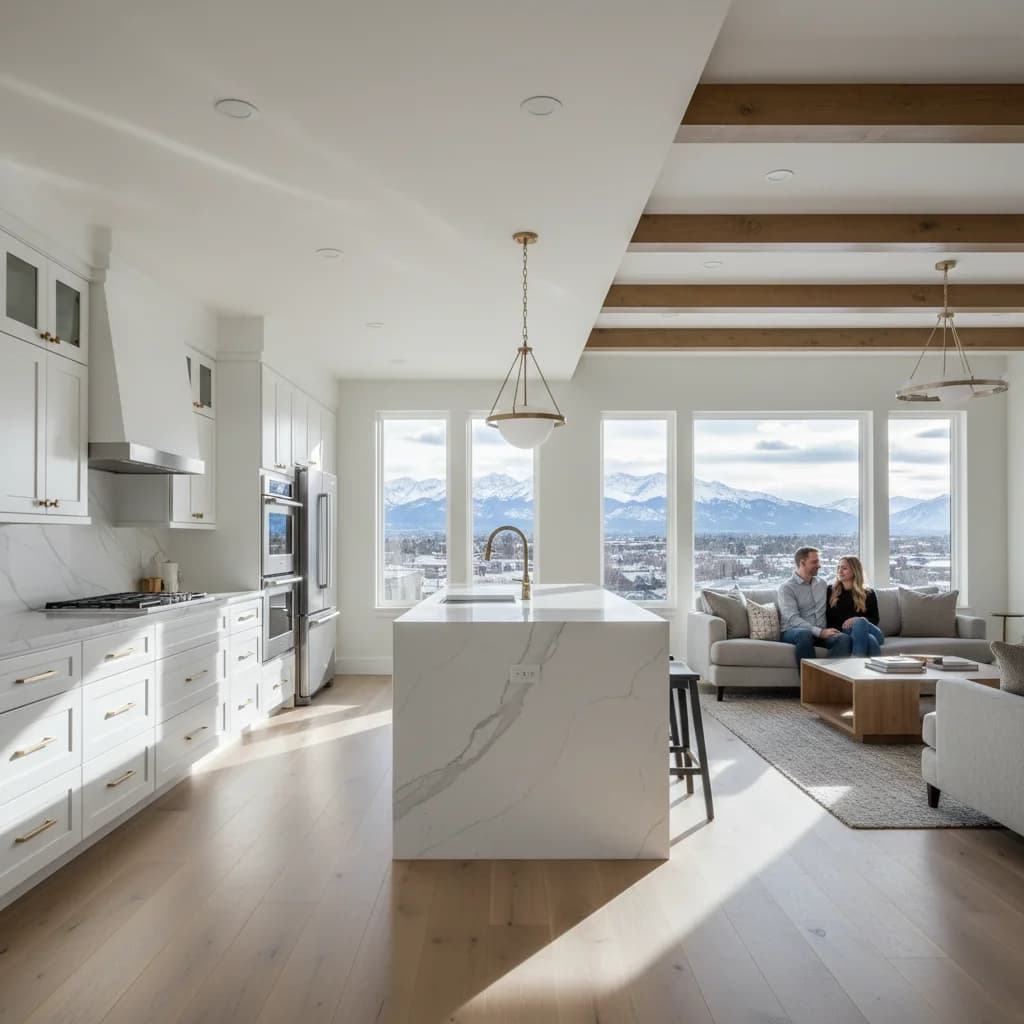
Kitchens remain the heart of most remodeling projects, and the design direction has genuinely shifted. If you renovated a kitchen five years ago, it probably had white shaker cabinets, gray quartz countertops, and stainless steel appliances. That combination isn't going anywhere—it's become the new neutral. But if you want a kitchen that feels current without dating itself in five years, here's where the market is heading.
Color and Material Shifts
The all-white kitchen had a good run, but homeowners are moving toward warmth. We're seeing deep, saturated colors gain traction—not everywhere, but as intentional accents. Think forest greens, navy blues, even burgundy and plum tones on islands or lower cabinets while keeping uppers lighter. According to the latest NKBA Kitchen Trends Report, 96% of surveyed designers identified neutrals as still the most popular choice, but greens (86%) and blues (78%) are right behind.
The key word is "warm." Warm whites instead of stark whites. Warm grays instead of cool. Wood tones throughout—on cabinets, floors, open shelving. Natural materials are becoming the foundation of kitchen design because, honestly, people are tired of spaces that feel sterile. Real wood cabinetry, natural stone countertops, and materials with subtle variation and movement are what clients are requesting.
Flat-panel cabinetry is gaining serious ground. Slab-front doors with warm wood species, matte finishes, and minimalist hardware create a clean look that doesn't feel cold. It's a shift from the ornate molding and raised panels that dominated traditional kitchens. This isn't about being trendy—flat panels are easier to clean, less expensive to produce, and they age better because there's less detail to look dated.
Layout and Flow
The obsession with perfectly straight lines is softening. Rounded island ends, arched doorways or pass-throughs, and curved cabinet details are appearing in higher-end projects. This isn't a complete departure from modern design—it's an evolution. Organic shapes create visual interest without requiring you to commit to a "style" that might feel passé in a decade.
Open concept is still dominant, but there's a counter-movement worth noting. Some homeowners are adding back partial walls, large pocket doors, or glass partitions that let them close off the kitchen when needed. The pandemic taught us that completely open spaces can be exhausting when multiple people need to work, learn, or just find quiet at the same time. If you're designing a new kitchen, consider how much visual and acoustic separation you actually want.
What's Worth Splurging On
Based on what holds value and what homeowners consistently say they wish they'd spent more on:
Counter space and storage. Most people underestimate how much prep space they need. If you can afford more countertop, get it. Same with drawers—they're more useful than cabinets for everyday items, and deep pot drawers near the range will change how you cook.
Appliance integration. Panel-ready refrigerators and dishwashers that disappear into your cabinetry cost more upfront but make the whole kitchen look more cohesive. The trend toward integrated appliances isn't about hiding your fridge—it's about creating visual calm in a room you use constantly.
Task lighting. Under-cabinet lighting isn't optional anymore. Proper lighting over prep areas, in drawers, and inside pantries makes the kitchen genuinely more functional. Budget for it from the start rather than retrofitting later.
Ventilation. A good range hood is worth the investment. Downdraft systems work for some configurations, but if you have the ceiling height, a properly sized hood that actually moves air will keep your kitchen cleaner and your smoke detectors quieter.
Bathroom Renovation: The Spa-at-Home Movement Is Real
Bathrooms have evolved from purely functional spaces into genuine retreats. This isn't just marketing—it reflects how people actually use these rooms now. The shift started during the pandemic when everyone was stuck at home, and it's stuck.
Shower Upgrades That Make Sense
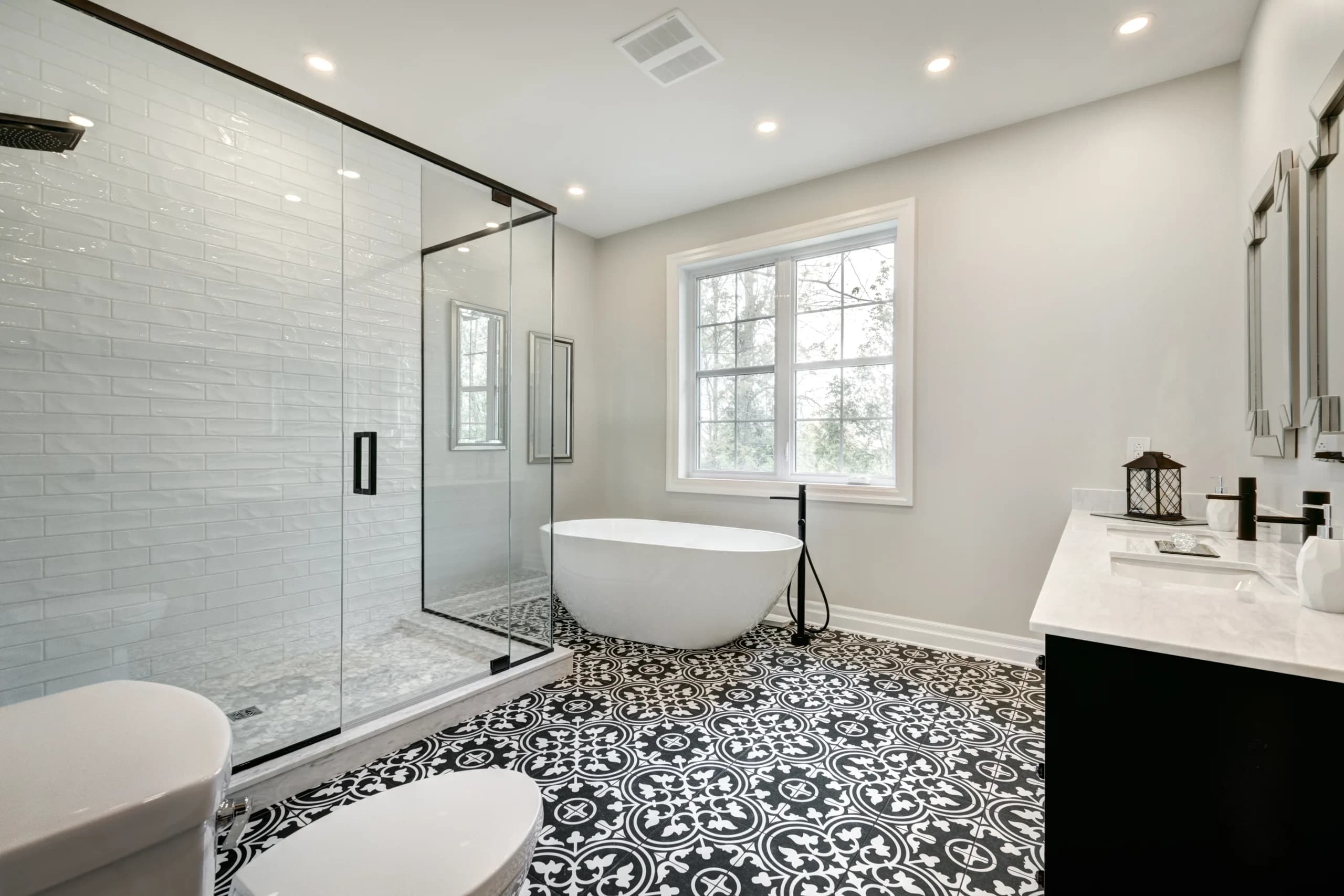
Large walk-in showers with curbless entries are the direction things are heading. Not because they're trendy, but because they're practical for aging in place, easier to clean, and create a more spacious feel even in smaller bathrooms. If you're doing a bathroom renovation, seriously consider whether you need a tub. For most households without small children, a well-designed shower provides more daily value.
Features worth considering:
-
Built-in benches or niches. A shower bench isn't just for people with mobility issues—it's where you shave your legs, let conditioner sit, or just enjoy hot water without standing.
-
Rainfall showerheads. The overhead drenching experience genuinely feels different from a wall-mounted head. Many people add both—overhead for relaxation, handheld for practicality.
-
Steam capability. If you're building a fully enclosed shower anyway, the incremental cost to add steam isn't outrageous. It turns your daily shower into something closer to a spa experience.
-
Linear drains. These allow for single-slope floor design and larger-format tiles without awkward cuts. They also look cleaner than center drains.
Vanity and Fixture Trends
Wall-mounted vanities are gaining popularity for good reason—they make small bathrooms feel larger and cleaning the floor is dramatically easier. Floating vanities paired with wall-mounted faucets create a streamlined look where the plumbing disappears.
Speaking of wall-mounted faucets, they're showing up everywhere. By mounting the spout and handles above the sink, countertops stay clear, water spots are reduced, and cleaning becomes simpler. The installation is more complex and requires pla
ing during rough-in, but the long-term usability is worth it.
Tile patterns are getting more interesting. Checkerboard designs are making a comeback—not just classic black and white, but sage and cream, emerald and soft gray, even burgundy and blush. Textured tiles, handmade-look ceramics, and natural stone with visible variation add character that mass-produced subway tile can't match.
Smart Bathroom Technology
The bathroom is becoming one of the most tech-integrated spaces in the home. What used to be luxury features are becoming expectations:
Temperature-controlled floors. Heated floors in bathrooms aren't just comfortable—they help control moisture and can actually extend the life of your flooring. The energy cost is minimal when used with a timer.
Smart mirrors. Mirrors with integrated lighting that adjusts from bright morning light to softer evening tones, some with built-in displays for weather, time, or even your calendar. Useful? Surprisingly, yes.
Touchless fixtures. Faucets that turn on with a wave, toilets with automatic flush and self-cleaning features. What seemed excessive a few years ago now just feels hygienic.
Smart showers. Customizable temperature and pressure settings you can preset for different family members, controlled by voice or app. Some systems learn your preferences over time.
Outdoor Living Spaces: Colorado's Year-Round Investment
Denver's 300+ days of sunshine make outdoor spaces more valuable here than in most markets. What's changed in 2026 is how homeowners are thinking about these spaces—not as seasonal bonuses, but as genuine extensions of living area.
Outdoor Kitchen Trends
A gas grill on a patio used to qualify as an "outdoor kitchen." Now homeowners are building full cooking and entertaining spaces with:
-
Built-in grills and smokers. Permanent installations with proper ventilation and weatherproof construction that last decades rather than years.
-
Refrigeration and storage. Outdoor-rated refrigerators, ice makers, and weatherproof cabinets that eliminate constant trips inside.
-
Prep and serving counters. Granite, concrete, or porcelain surfaces that stand up to Colorado's temperature swings and UV exposure.
-
Pizza ovens. Wood-fired or gas pizza ovens have gone from novelty to genuinely popular feature, especially for homeowners who entertain frequently.
The cost range is broad: $15,000 for a basic setup with a quality built-in grill and counter space, up to $75,000 or more for a fully equipped outdoor kitchen with covered structure, lighting, and multiple cooking surfaces.
Covered Outdoor Spaces
The trend toward outdoor living has created strong demand for covered structures—pergolas, pavilions, and covered patios—that extend usability into shoulder seasons and provide shade in summer.
In Denver's climate, a covered outdoor space might add six to eight weeks of comfortable use per year compared to an open patio. For homeowners who work from home or entertain regularly, that's significant.
Popular approaches include:
-
Attached pergolas. Often with retractable canopy systems for flexible sun control. Budget $8,000-$25,000 depending on size and materials.
-
Freestanding pavilions. More substantial structures with permanent roofs, often incorporating outdoor living room elements. Budget $20,000-$60,000.
-
Screened porches. Enclosed outdoor rooms that provide bug protection and extend comfortable use into cooler months. Budget $25,000-$50,000.
Fire Features
Fire pits and outdoor fireplaces remain extremely popular in Colorado—the temperature drops quickly after sunset even in summer, and a fire feature extends evening use of outdoor spaces.
Gas fire features are more popular than wood-burning in urban and suburban areas due to air quality regulations and convenience. A quality gas fire pit starts around $3,000; custom built-in fire features range from $5,000 to $20,000 depending on design and materials.
Energy Efficiency: The Hidden Value Driver
Energy-efficient upgrades may not be the sexiest part of a renovation, but they're increasingly important to both immediate comfort and long-term value. Denver's 2025 building codes have raised the bar on energy efficiency, and buyer expectations are following.
Window and Door Upgrades
Windows are often the weak point in a home's thermal envelope, and Colorado's temperature extremes make high-performance windows particularly valuable. Triple-pane windows with low-E coatings and proper insulation have become standard in higher-end renovations.
The payback calculation has shifted too. With energy costs higher than a few years ago, the return on investment for quality windows comes faster. Plus, improved comfort—fewer cold spots in winter, less heat gain in summer—has real quality-of-life value that doesn't show up in ROI calculations.
Expect to pay $800-$1,500 per window installed for quality replacement windows, with triple-pane and specialty options at the higher end.
Insulation and Air Sealing
If you're opening walls during a renovation, you have a golden opportunity to improve insulation that would be expensive to address otherwise. Spray foam insulation in exterior walls and attic spaces provides both thermal performance and air sealing in one step.
For many Denver homes built before 2000, improving attic insulation alone can reduce heating and cooling costs by 15-25%. It's not glamorous, but it's among the highest-ROI investments you can make during a renovation.
HVAC System Updates
If your heating and cooling system is more than 15 years old, a renovation is a good time to evaluate replacement. Modern high-efficiency systems use significantly less energy, and variable-speed technology provides better comfort with quieter operation.
Heat pumps are gaining traction in Colorado, even though we have cold winters. Modern cold-climate heat pumps work effectively down to sub-zero temperatures and provide both heating and cooling with excellent efficiency. Combined with solar panels, some homeowners are achieving near-zero energy bills.
ADUs and Basement Finishing: Denver's Big Opportunity
If you own property in Denver, you're sitting on significant potential. The city has been steadily expanding where accessory dwelling units (ADUs) can be built, and recent zoning changes have opened up approximately 70% of residential land for ADU construction—up from about 36% before the November 2024 reforms.
Understanding Your Options
You essentially have three paths for creating additional living space on your property:
Basement apartment. Converting an existing basement into a legal rental unit. This typically costs $35,000 to $90,000 for a basic conversion, depending on the current state of your basement and what's needed for code compliance. You'll need egress windows, a separate entrance (or access to one), and a full bathroom.
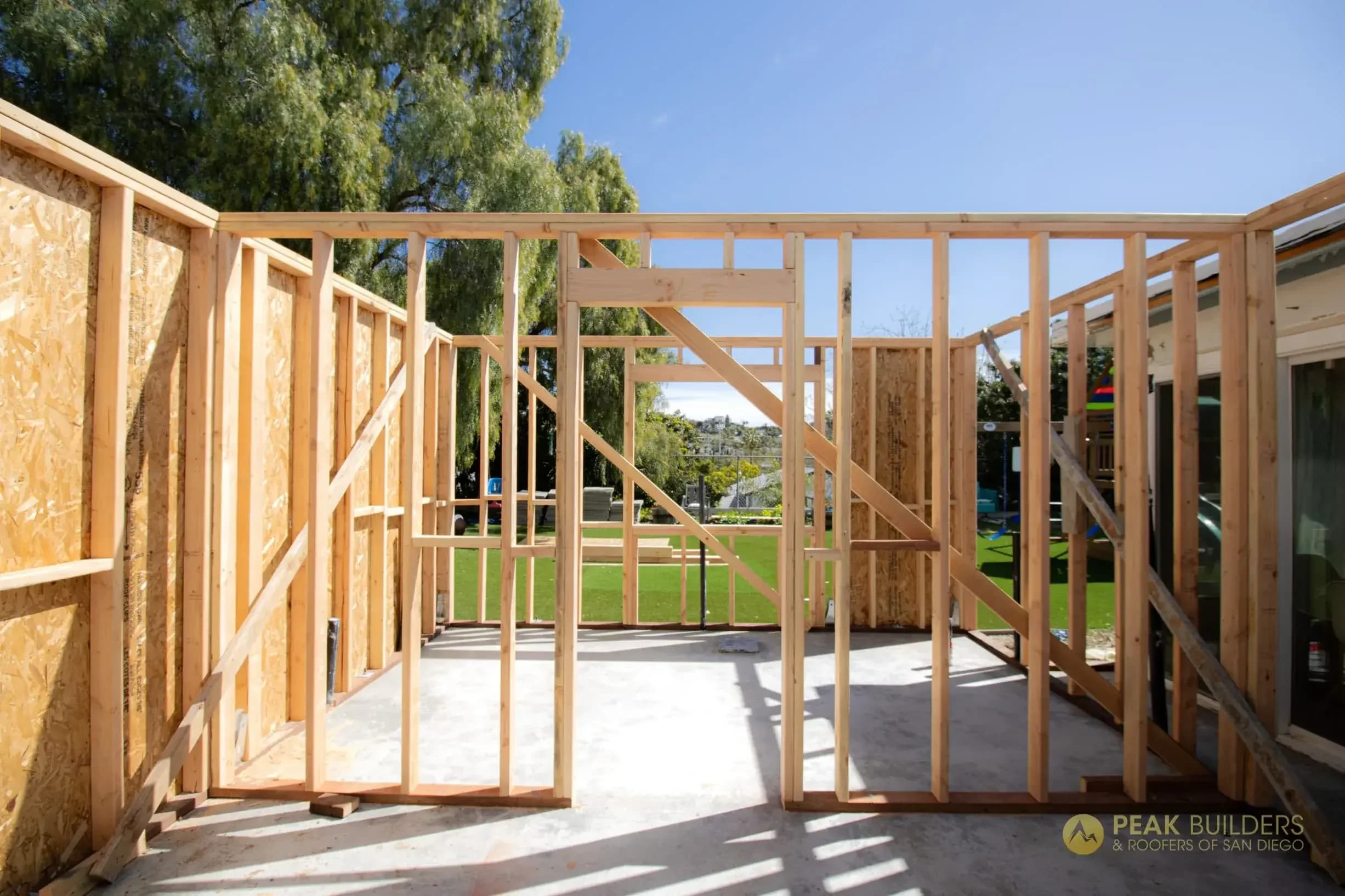
Garage conversion ADU. Transforming a detached garage into living space. Costs vary widely—$75,000 to $150,000 is common—depending on whether you need to raise the floor, add insulation, or completely rebuild the structure.
Detached ADU (new construction). Building a new small structure on your property. This is the most expensive option, typically $125,000 to $250,000 for a complete unit, but it also provides the most flexibility and often commands the highest rents.
Denver-Specific Considerations
Denver's 2025 building codes emphasize energy efficiency more than ever. Any ADU project will need to meet current energy requirements, which adds cost but also improves long-term operating expenses for you or your tenants.
For basement apartments specifically, Denver requires:
-
Egress windows in any bedroom—these need to meet specific size requirements for safety
-
A full bathroom if you're creating a legal dwelling unit
-
Proper fire separation from the main house
-
Separate smoke and CO detection
-
In many cases, separate utility metering
Lots with alley access work well for detached ADUs—neighborhoods like Berkeley, Su
yside, and Chaffee Park have seen significant ADU activity partly because the lot configurations make construction easier.
The Financial Case
Here's why Denver homeowners are paying attention to ADUs: projections suggest the city may see 200-300 ADUs permitted per year following the zoning reforms. Rental demand remains strong, and a well-designed unit can generate $1,500 to $2,500 per month in rental income depending on size and location.
Northern Colorado communities like Fort Collins and Loveland have seen 18% year-over-year growth in basement and garage ADU conversions. Denver is following the same trajectory.
Finished basements—even without creating a separate dwelling unit—return 70-75% of their cost at resale in Colorado, according to local remodeling cost analyses. Basements that serve as guest suites, home offices, or entertainment spaces perform best.
Basement Finishing Costs in 2026
The numbers have shifted notably. In Colorado, the average cost to finish a basement now ranges between $65 and $105 per square foot, depending on scope and finishes. For a 1,000 square foot basement, you're looking at $65,000 to $105,000.
Construction costs have increased roughly 5.6% heading into 2026 due to inflation and material shortages. Standard finishes that cost $15-25 per square foot a few years ago now run $32-80 per square foot—driven partly by material costs but also by increased demand for smart technology integration.
Bathroom additions in basements—required for ADU compliance—typically add $15,000 to $35,000 depending on fixtures, finishes, and complexity. Ru
ing drain lines and venting to a below-grade bathroom requires careful pla
ing.
Smart Home Integration: No Longer Optional
Here's something that's genuinely changed in the past two years: smart home features have crossed from luxury to expectation. Contractors report that nearly every project now includes some level of smart technology—garage doors, window shades, lighting systems, and co
ected appliances.
This isn't about impressing your neighbors. It's about functionality, energy efficiency, and, increasingly, pla
ing for the future.
What Actually Adds Value
Not all smart features are created equal. Based on what homeowners actually use and what appeals to future buyers:
Integrated lighting control. The ability to set scenes, schedule lights, and control everything from your phone has become standard. Systems like Lutron Caseta or even simple smart switches from major brands work reliably and integrate with voice assistants.
Smart thermostats. These have become table stakes. A Nest or Ecobee pays for itself in energy savings and provides convenience most people won't give up once they've experienced it.
Video doorbell and security. Ring, Nest, or similar systems are now expected on most homes. They provide security, convenience for package delivery, and generally make life easier.
Motorized window treatments. This one is gaining steam quickly. Automated shades that adjust based on time of day, sunlight, or temperature are particularly valuable in Colorado where sun exposure varies dramatically by season.
Whole-home audio. Systems like Sonos have made distributed audio affordable and reliable. Being able to play music throughout the house without visible speakers appeals to almost everyone.
Future-Proofing Your Renovation
The smartest approach isn't necessarily buying the most advanced technology today—it's installing the infrastructure that lets you upgrade later. That means:
- Ru
ing conduit or low-voltage wiring to locations where you might want devices
-
Ensuring strong WiFi coverage throughout the house (hardwired access points in key locations)
-
Using standard protocols where possible rather than proprietary systems that may not be supported in 10 years
-
Pla
ing outlet locations for things like robot vacuums, smart hubs, and charging stations
Aging in Place and Universal Design
This section matters whether you're 35 or 65, and here's why: renovations you do today should serve you for 15-20 years. If you're pla
ing to stay in your home—and most Denver homeowners are—the design choices you make now will affect your quality of life as you age.
Universal design isn't about making your home look institutional. It's about eliminating barriers and creating spaces that work for everyone—guests with mobility issues, family members recovering from injuries, or you, twenty years from now.
Practical Applications
Zero-threshold showers. We already talked about these in the bathroom section, but they're particularly important here. A curbless shower with a bench and grab bars looks contemporary, is easier to clean, and will accommodate you if you ever have mobility issues.
Wider doorways and hallways. Standard doorways are 30 inches. Going to 36 inches doesn't cost much during construction but makes a huge difference for wheelchairs, walkers, or just moving furniture. If you're doing a renovation that involves moving walls, consider this.
First-floor bedroom potential. If your home doesn't have a bedroom on the main floor, think about whether any space could convert to one. A home office or den near a bathroom gives you options later without major construction.
Lever handles instead of knobs. This one's simple and inexpensive. Lever door handles are easier for everyone to use—whether you have your hands full, have arthritis, or are just carrying groceries.
Good lighting everywhere. As we age, we need more light. Pla
ing for abundant, adjustable lighting—especially on stairs and in bathrooms—is smart design regardless of your current age.
Smart Technology for Independence
Smart home features support aging in place in ways that weren't possible a few years ago:
-
Voice control eliminates the need to physically access switches and controls
-
Smart locks mean no fumbling with keys in the dark
-
Video monitoring lets family members check in without being intrusive
-
Automated lighting that responds to motion or time of day reduces fall risks
-
Medical alert systems that integrate with smart home platforms
By combining universal design principles with smart technology during your renovation, you're future-proofing your home and potentially avoiding costly modifications later. More contractors are specializing in this area, and organizations like the National Association of Home Builders offer CAPS (Certified Aging in Place Specialist) certification to identify qualified professionals.
Making Smart Decisions About Your 2026 Renovation
Given everything we've covered—elevated costs, labor challenges, evolving design preferences—how should you approach a renovation this year? Here are the principles I'd suggest:
Prioritize Function Over Fashion
Trendy finishes can be swapped relatively easily. Layout changes, electrical and plumbing infrastructure, and structural modifications are much harder and more expensive to redo. Spend your budget on the bones of the project—good bones support any finish you choose later.
Plan for Labor Costs
With wages rising 4-5% a
ually and a shortage of skilled workers, labor is not getting cheaper. If you're waiting for costs to come down, you may be waiting a long time. What you can do is plan carefully, avoid changes during construction (change orders are expensive), and build good relationships with contractors who will prioritize your project.
Material Selections Matter More Than Ever
With material costs up significantly, the difference between standard and premium materials has widened in dollar terms even if the percentage difference is similar. Be strategic about where you invest. Premium countertops in a kitchen get used daily and are highly visible—worth it. Premium tile in a utility room that nobody sees? Probably not.
Don't Skip Permits
With tighter regulations and building codes that emphasize energy efficiency, unpermitted work is riskier than ever. Beyond the legal issues, you may face problems selling your home or getting insurance claims paid if work wasn't properly permitted and inspected.
Think Long Term
Whether it's smart home infrastructure, universal design elements, or energy-efficient systems, the investments that pay off are the ones that serve you for years. The lowest-cost option today often isn't the best value over a 15-year ownership horizon.
Sustainability and Green Building in Denver
Colorado homeowners are increasingly concerned about environmental impact, and Denver's building codes reflect this shift. Whether motivated by values, energy savings, or resale value, sustainable renovation choices are becoming mainstream rather than niche.
Materials With Lower Environmental Impact
The materials you choose have significant implications beyond aesthetics and durability:
Reclaimed and recycled materials. Reclaimed wood for flooring, accent walls, or furniture brings character while reducing demand for new lumber. Denver has several suppliers specializing in salvaged materials from old barns, factories, and demolished buildings. The cost is often comparable to new premium materials, but the character is impossible to replicate.
Low-VOC and zero-VOC products. Paints, stains, adhesives, and sealants now come in formulations that don't off-gas harmful volatile organic compounds. This matters more in Colorado's tight, well-insulated homes where air exchange is limited. The price premium has largely disappeared—most major paint brands now offer low-VOC options as standard.
Sustainable countertop options. Beyond quartz and granite, consider recycled glass composite counters, bamboo, or paper composite materials like Richlite. These perform well, look distinctive, and have smaller environmental footprints than mining-intensive stone.
FSC-certified wood. If you're using new wood products, look for Forest Stewardship Council certification, which ensures responsible forestry practices. Many cabinet manufacturers now offer FSC-certified options at minimal premium.
Water Conservation Features
Denver's semi-arid climate makes water conservation particularly relevant:
-
Low-flow fixtures. Modern low-flow showerheads and faucets deliver satisfying water pressure while using significantly less water than fixtures from even 10 years ago. WaterSense-certified fixtures are the baseline for any bathroom renovation.
-
Dual-flush toilets. Standard in new construction, dual-flush systems use less water for liquid waste and full flush only when needed. The savings add up quickly in a household.
-
Hot water recirculation. Systems that eliminate the wait for hot water not only save water but also improve convenience. Demand-type recirculating pumps are particularly efficient.
-
Greywater systems. For the truly committed, systems that capture sink and shower water for landscape irrigation are becoming more accessible, though they require careful pla
ing during renovation.
Solar and Energy Independence
Colorado's abundant sunshine makes solar particularly attractive. If you're doing significant roof work or electrical upgrades, consider solar readiness at minimum—proper conduit runs, electrical panel capacity, and roof orientation assessment. The federal tax credit remains significant, and Colorado offers additional incentives.
Battery storage systems like Tesla Powerwall or Enphase have become more practical, allowing homeowners to store excess solar generation for evening use or grid outages. Given Colorado's occasional severe weather, energy independence has practical value beyond environmental concerns.
Storage and Organization: The Unsung Hero of Good Design
Here's something I see consistently in successful renovations: homeowners who invest in thoughtful storage are happier with their projects than those who don't. A beautiful kitchen with inadequate storage becomes frustrating within months. A gorgeous primary suite without proper closet design creates daily friction.
Kitchen Storage That Works
The cabinet industry has evolved significantly, and smart storage solutions that were once custom-only are now widely available:
Deep drawer base cabinets. Instead of base cabinets with shelves (where items get lost in the back), drawers let you see and access everything. Pot drawers near the range, utensil drawers near prep areas, and deep drawers for small appliances transform kitchen functionality.
Pull-out pantry systems. Narrow pull-out pantries that maximize every inch of available space. These work particularly well in older Denver homes where kitchen footprints are limited.
Corner solutions. Blind corner cabinets are notoriously wasteful. Lazy Susans, swing-out trays, or magic corner systems reclaim that dead space and make items accessible.
Vertical dividers. Simple dividers in base cabinets for baking sheets, cutting boards, and trays eliminate the frustrating pile-and-search method most people use.
Appliance garages. Dedicated spaces with roll-up or flip-up doors to hide countertop appliances while keeping them accessible. These keep counters clear without requiring you to haul out your stand mixer from a cabinet every time you bake.
Closet and Bedroom Storage
Walk-in closets have become expected in primary suites, but size matters less than design. A well-designed reach-in closet can outperform a poorly pla
ed walk-in:
-
Adjustable shelving systems that can evolve with your wardrobe
-
Double-hang sections for shirts and folded pants to maximize vertical space
-
Dedicated shoe storage (not just floor space)
-
Drawer units for items that don't hang well
-
Proper lighting—you can't find what you can't see
Custom closet systems range from $1,000 to $8,000 or more depending on size and features. Mid-range systems from companies like California Closets or Elfa often hit the sweet spot of quality and value.
Garage Organization
Colorado's outdoor lifestyle means garages do heavy lifting—storing sports equipment, outdoor gear, tools, and seasonal items alongside vehicles. Professional garage organization systems have become increasingly popular:
Wall-mounted systems like Gladiator or custom slatwall installations get items off the floor and organized. Overhead storage racks utilize the dead space above parked cars. Workbench areas with tool organization support DIY projects. Budget $3,000 to $10,000 for a comprehensive garage organization system, depending on size and complexity.
Multi-Generational Living Considerations
A growing number of Denver households include multiple generations—aging parents, adult children, or both. The pandemic accelerated this trend, and it's showing up in renovation requests.
If your household includes or may include additional generations, consider these design elements:
Separate entrances. The ability to come and go independently matters for everyone's sanity. If you're finishing a basement or adding an ADU, a separate entrance is essential.
Kitchenette options. A small secondary kitchen or wet bar allows for some meal independence without requiring a full second kitchen. Even a mini-fridge, microwave, and sink in a basement or in-law suite makes a significant difference.
Sound separation. Different generations keep different schedules. Sound insulation between living spaces—especially between floors—is worth the investment. This typically adds $2-5 per square foot during construction but is nearly impossible to retrofit effectively.
Flexible spaces. Rooms that can serve multiple purposes over time: home office today, guest bedroom tomorrow, caregiver quarters eventually. Built-in Murphy beds or convertible furniture can make spaces work harder.
Working With Contractors in 2026
A few notes on the contractor relationship, given current market conditions:
Get detailed bids. With material costs volatile, you want line-item pricing so you understand where your money is going. A lump-sum bid doesn't give you the ability to make informed trade-offs.
Expect longer timelines. Labor constraints mean projects often take longer than they did five years ago. Build buffer into your schedule, especially if you have a hard deadline like selling your home or hosting an event.
Communication matters more than price. A contractor who communicates well, shows up when they say they will, and addresses issues promptly is worth more than one who quoted $5,000 less but disappears for weeks at a time.
Check references thoroughly. With strong demand for contractors, some less qualified operators enter the market. Verify licenses, insurance, and talk to recent customers about their actual experience—not just the finished product, but the process.
The Bottom Line
Home renovation in 2026 is more complex than it was a few years ago. Costs are higher, timelines are longer, and the choices are more consequential. But for Denver homeowners willing to plan carefully and invest thoughtfully, there are real opportunities.
Kitchens and bathrooms remain the best return on investment for most homes. ADUs and basement conversions offer income potential and property value increases. Smart home technology has become essential rather than optional. And designing with the future in mind—whether that's aging in place or simply avoiding premature obsolescence—makes more sense than chasing every passing trend.
The homes being renovated well in 2026 share common traits: they prioritize quality over quantity, function over fashion, and long-term value over short-term savings. If that's your approach, you'll end up with a home that serves you well for years to come.
*Pla
ing a renovation in the Denver metro area? We've helped hundreds of homeowners navigate kitchen remodels, bathroom renovations, basement finishes, and whole-home projects. Contact Peak Builders for a detailed consultation and estimate tailored to your specific goals and budget.*
Sources: National Association of Home Builders, Remodeling Magazine, American Institute of Architects, Joint Center for Housing Studies of Harvard University
Related Resources
Services:
- Full Home Remodel - Complete renovation services
- Kitchen Remodeling - Modern kitchen upgrades
- Bathroom Remodeling - Contemporary bathroom design
- ADU Construction - Additional living units
More Reading:
- Kitchen Remodeling Trends - Kitchen-specific trends
- Sustainable Materials - Eco-friendly options
- Modular Construction - Modern building methods