
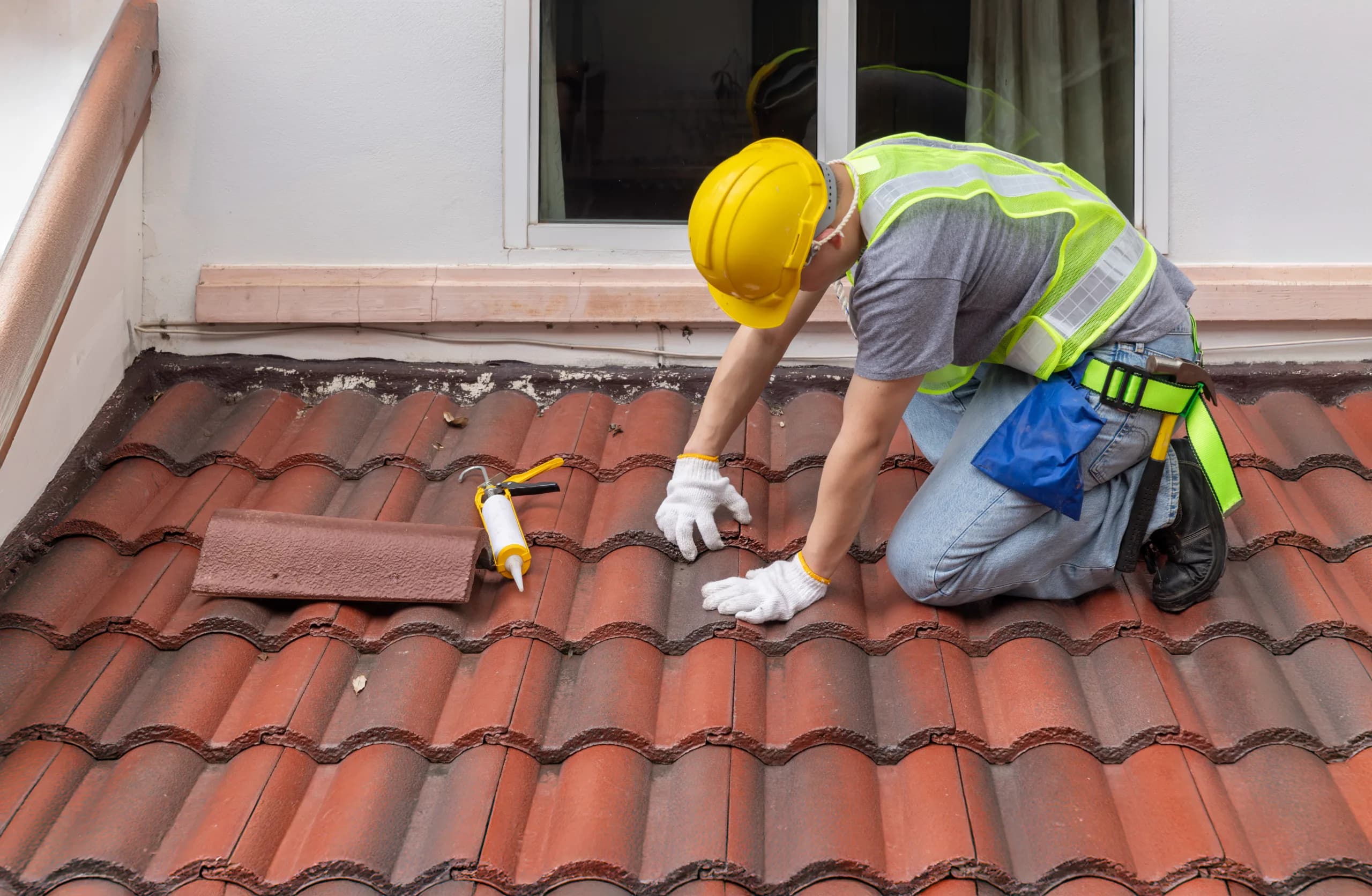
Flashing
Waterproof material installed at joints and transitions to prevent water infiltration
Flashing
Flashing is one of the most critical—and often overlooked—components in preventing water damage. This waterproof material creates a barrier at vulnerable transitions: where the roof meets a wall, around chimneys, at window and door openings, and along roof valleys. Common flashing materials include galvanized steel, aluminum, copper, and rubberized membranes. Proper flashing installation follows the principle of layering materials so water flows down and out, never trapping moisture behind building materials.
Why It Matters in Denver
Denver's weather extremes demand excellent flashing. Rapid temperature changes cause expansion and contraction, heavy spring rains test waterproofing, and snow melt creates prolonged moisture exposure. Failed flashing causes 80% of water intrusion problems—leading to rot, mold, and structural damage. Ice dams, common in Denver winters, make proper roof-to-wall and valley flashing especially critical. Quality flashing installation is far more important than the type of siding or roofing material chosen.
Common Applications
- Step flashing: Along roof-to-wall intersections and dormers
- Drip edge: At roof edges to direct water into gutters
- Valley flashing: In roof valleys where two planes meet
- Window and door head flashing: Above openings to divert water
- Chimney flashing: Counter flashing and base flashing around masonry penetrations