
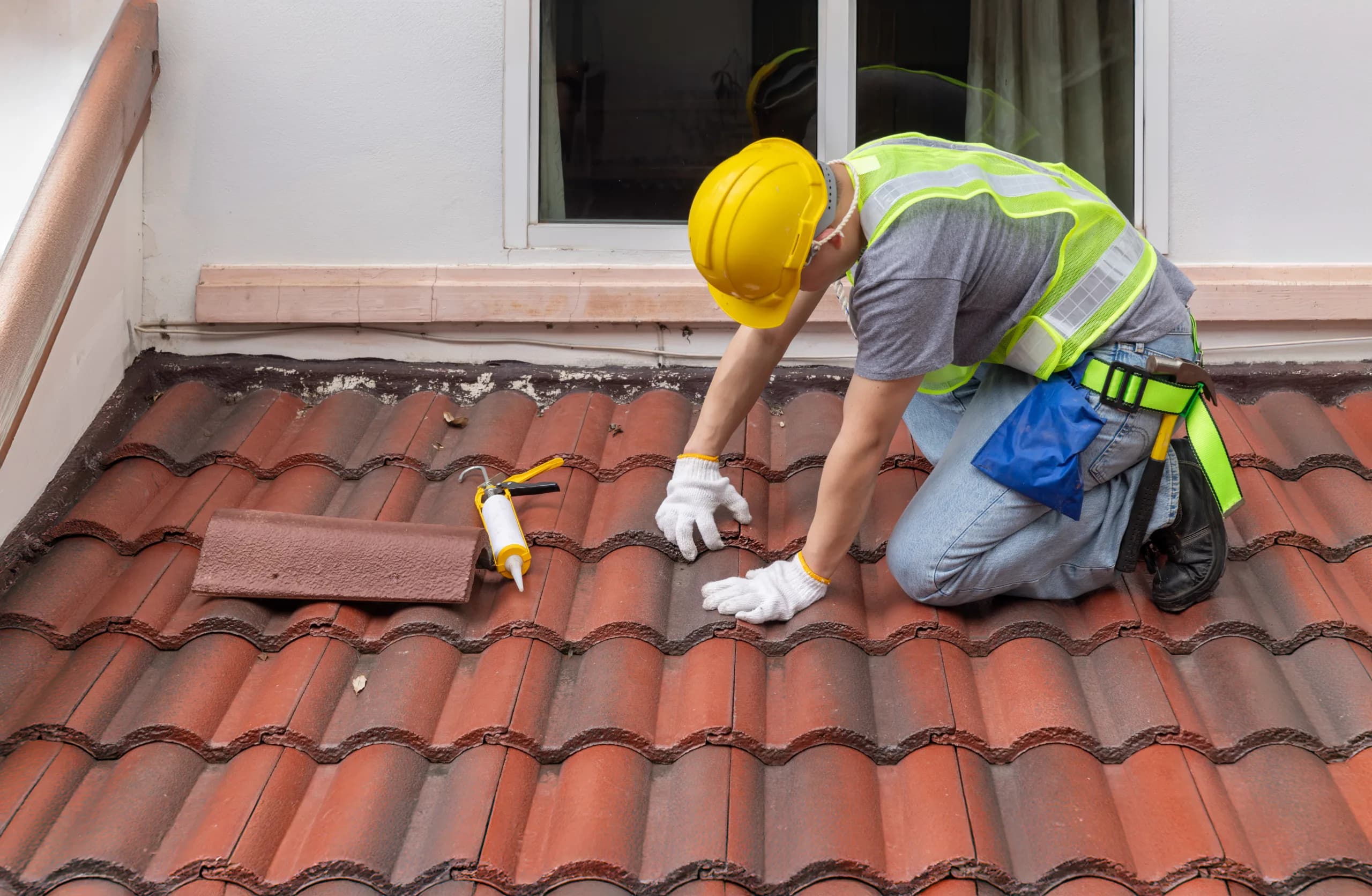
Soffit
The finished underside of a roof overhang or eave
Soffit
The soffit is the horizontal surface on the underside of your roof overhang, boxing in the exposed ends of rafters and protecting them from weather. Beyond aesthetics, soffits serve a critical function: properly vented soffits allow fresh air intake for attic ventilation, working in conjunction with ridge or gable vents to create airflow that regulates attic temperature and moisture. Common soffit materials include vinyl, aluminum, wood, and fiber cement.
Why It Matters for Your Home
Proper soffit installation impacts your roof system's longevity and your home's energy efficiency. Vented soffits with continuous perforations or individual vent holes allow cool air to enter the attic, which then rises and exits through upper vents—preventing heat and moisture buildup. In Denver's climate, this ventilation prevents ice dams in winter and reduces cooling costs in summer. Damaged or missing soffits expose rafters to moisture and pests, leading to rot and infestations.
Common Types and Applications
- Vented vinyl soffit: Perforated panels for maximum airflow
- Solid soffit panels: For porch ceilings and covered areas without ventilation needs
- Aluminum soffit: Durable, maintenance-free option in various colors
- Wood soffit: Traditional appearance requiring regular maintenance
- Fiber cement soffit: Fire-resistant option for areas near combustible materials