
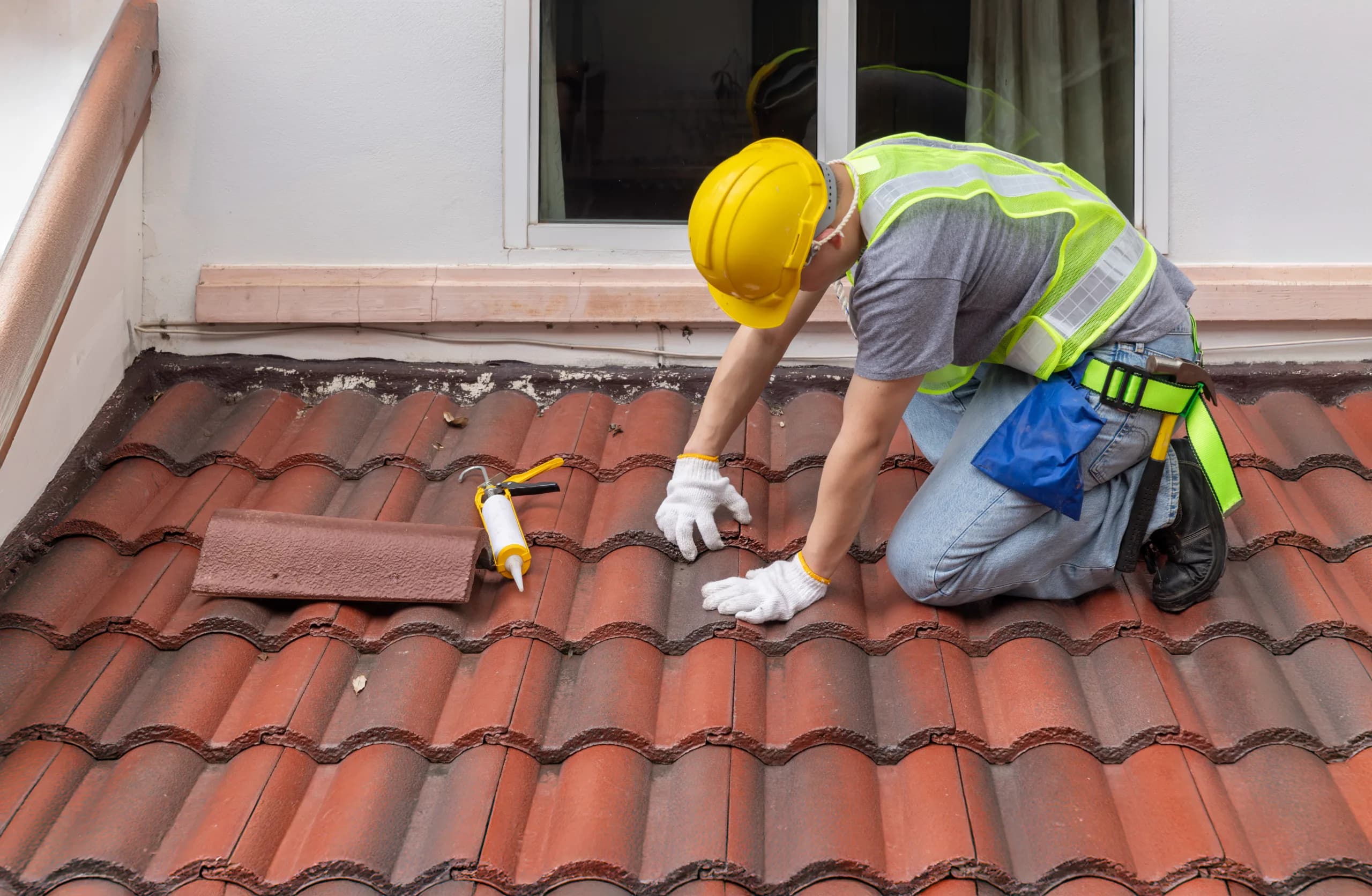
Waterproofing
Applying barriers and membranes to prevent water infiltration
Waterproofing
Waterproofing creates impermeable barriers preventing water intrusion in vulnerable areas: foundations, basements, bathrooms, balconies, and roofs. Foundation waterproofing combines exterior membranes or coatings, proper grading, and drainage systems like footer drains. Shower waterproofing uses pan liners, waterproof membranes, or complete systems that protect substrates from water damage. Modern waterproofing products have dramatically improved: sheet membranes, liquid-applied coatings, and drainage boards create reliable multi-layer protection.
Why It Matters in Denver
Denver's bentonite clay soils expand when wet, creating tremendous pressure against foundations. Spring snow melt creates concentrated water exposure. Proper waterproofing prevents basement flooding, foundation cracks, and moisture problems that lead to mold and rot. Shower waterproofing failures cause catastrophic damage—water penetrates subfloors, ceiling below, and wall cavities. Even in Denver's dry climate, concentrated water from showers and snow melt demands proper waterproofing systems.
Common Waterproofing Applications
- Foundation exterior: Rubberized membranes or spray-applied coatings
- Foundation drainage: Footer drains with gravel and drain pipe
- Shower systems: Pan liners, cement board with topical membrane, or complete systems
- Deck surfaces: Membrane systems protecting framing from water
- Below-grade walls: Drainage board systems managing water at wall
- Critical details: Inside and outside corners, penetrations, transitions between materials