If you've lived in Denver for more than a year, you've experienced it: that moment when the sky turns green, the wind picks up, and suddenly golf ball-sized ice is pounding your roof, your car, your garden—everything.
When the storm passes and you step outside to assess the damage, the questions start. Is my roof damaged? Should I file an insurance claim? Who do I trust to fix it? And why are there suddenly three different roofing trucks circling my neighborhood?
Here's your no-nonsense guide to handling hail damage in Denver.
Step 1: Don't Panic (And Don't Sign Anything)
Within hours of any major Denver hail storm, "storm chasers" will appear in your neighborhood. They drive trucks with out-of-state plates, knock on every door, and offer "free inspections" with the urgency of someone selling time shares.
Here's the thing: Some of these companies are legitimate. Many are not. They follow storms around the country, do quick repairs, and disappear before problems surface.
Red flags to watch for:
- Pressure to sign a contract immediately
- Offers to cover your insurance deductible (this is insurance fraud)
- No local address or phone number
- Can't provide Colorado contractor license number
- Asks for large deposits upfront
- "Limited time" offers that expire if you don't decide today
Take a breath. Unless water is actively pouring into your house, you have time to make a careful decision.
Step 2: Document Everything
Before anyone gets on your roof, document the damage yourself (safely from the ground).
Take photos of:
- Damaged shingles you can see from the yard
- Dented gutters, downspouts, and flashing
- Damaged siding and window screens
- Any dents in AC units, vents, or skylights
- Your car, patio furniture, and outdoor equipment
Also note the date, time, and approximate size of the hail. Your neighbors probably have similar damage—talk to them about what they observed.
Step 3: Get a Professional Inspection
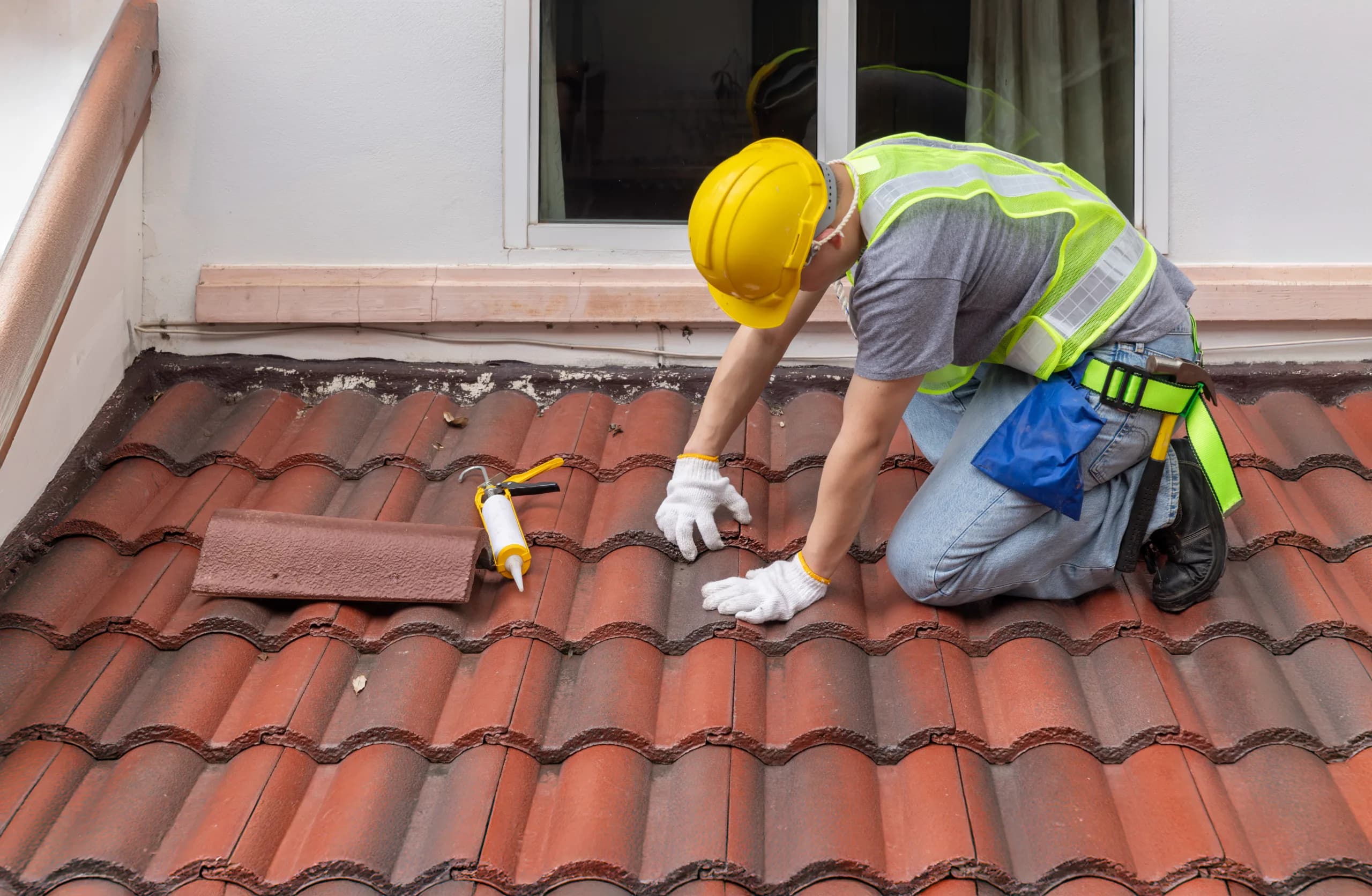
The damage you can see from the ground is often just the beginning. Hail impacts shingles in ways that aren't always visible—cracking the fiberglass mat underneath, loosening granules, and creating weak spots that will leak later.
What a proper inspection includes:
- Walking the entire roof surface (not just looking from the ladder)
- Checking soft metals: vents, flashing, and valleys
- Examining shingle surfaces for bruising and granule loss
- Inspecting gutters and downspouts
- Checking siding, windows, and exterior fixtures
- Documenting everything with photos
A reputable contractor will do this inspection free and give you an honest assessment—including telling you if the damage is minor and doesn't warrant a claim.
Step 4: Understand Your Insurance Options
Not every hail event justifies an insurance claim. Here's how to think about it:
Factors to consider:
- Your deductible: Most Denver homeowners have 1-2% deductibles for wind and hail. On a $500,000 home, that's $5,000-$10,000 out of pocket.
- Extent of damage: Minor damage might cost less to repair than your deductible. No point filing a claim that won't pay out.
- Claim history: Multiple claims can increase premiums or make you harder to insure. If the damage is borderline, consider whether it's worth the long-term cost.
- Age of roof: Some policies prorate for older roofs, paying only depreciated value. A 15-year-old roof might not get a full replacement.
When to file: If damage is significant enough to need repair and the cost exceeds your deductible substantially, file the claim. That's what insurance is for.
Step 5: The Insurance Claim Process
Here's how it typically works:
1. File the claim Call your insurance company and report the hail damage. You'll get a claim number and an adjuster will be assigned.
2. Adjuster inspection An insurance adjuster will come to inspect your property. This is crucial—their assessment determines what gets paid for. Have your contractor present if possible.
3. Initial estimate The adjuster provides an initial estimate of damage. This is often lower than the actual repair cost (adjusters work for insurance companies, not homeowners).
4. Contractor review Your contractor reviews the adjuster's scope. If legitimate damage was missed, you can request a reinspection or supplement.
5. Supplement if needed Supplements are additional claims for damage the initial estimate missed. This is normal and common—not adversarial.
6. Repair and payment Once scope is agreed upon, repairs proceed. Insurance typically pays in two checks: one upfront (minus depreciation) and one after completion.
Step 6: Choose Your Contractor Carefully
This is the most important decision. Here's what to look for:
Essential credentials:
- Colorado contractor license (verify at DORA)
- Local address and phone number
- Established business (3+ years minimum)
- Insurance and workers' compensation coverage
- Manufacturer certifications (Owens Corning, GAF, etc.)
Good signs:
- Willing to meet with your insurance adjuster
- Experienced with insurance claims process
- Provides detailed written estimate
- Good reviews from local customers
- Doesn't pressure you or create false urgency
What to avoid:
- Out-of-state companies that "happened to be in the area"
- Door-knockers with no local presence
- Anyone who wants to negotiate with insurance without you present
- Offers to waive your deductible (illegal)
- Demands for large upfront payments
The Timeline: What to Expect
Claim deadline: Most Colorado insurance policies require claims within 1 year of the damage. Don't wait until month 11.
Inspection to approval: 1-4 weeks depending on storm volume and adjuster availability.
Scheduling repairs: After major storms, reputable contractors book up. Expect 2-8 weeks from approval to installation.
Installation: Most residential roofs take 1-3 days to replace.
What About Minor Damage?
Not all hail damage requires a full roof replacement. Sometimes it's a matter of:
- Replacing damaged shingles
- Repairing flashing and vents
- Fixing gutters and downspouts
A honest contractor will tell you if repairs are sufficient vs. replacement. Don't let anyone talk you into a claim you don't need—but also don't ignore damage that will cause problems later.
Our Approach
At Peak Builders, we've helped hundreds of Denver homeowners navigate hail damage claims. Here's what we promise:
- Free, honest inspections: We'll tell you what we find—even if it's "your roof is fine."
- Adjuster meetings: We'll be there when insurance inspects to ensure nothing is missed.
- Fair pricing: We charge what insurance approves—no games, no upsells.
- Local accountability: We've been here since 1999 and we'll be here for your warranty.
If your Denver home was hit by hail, call (720) 605-7785 or schedule an inspection online. We'll give you the straight truth about your situation and help you make the right decision.