
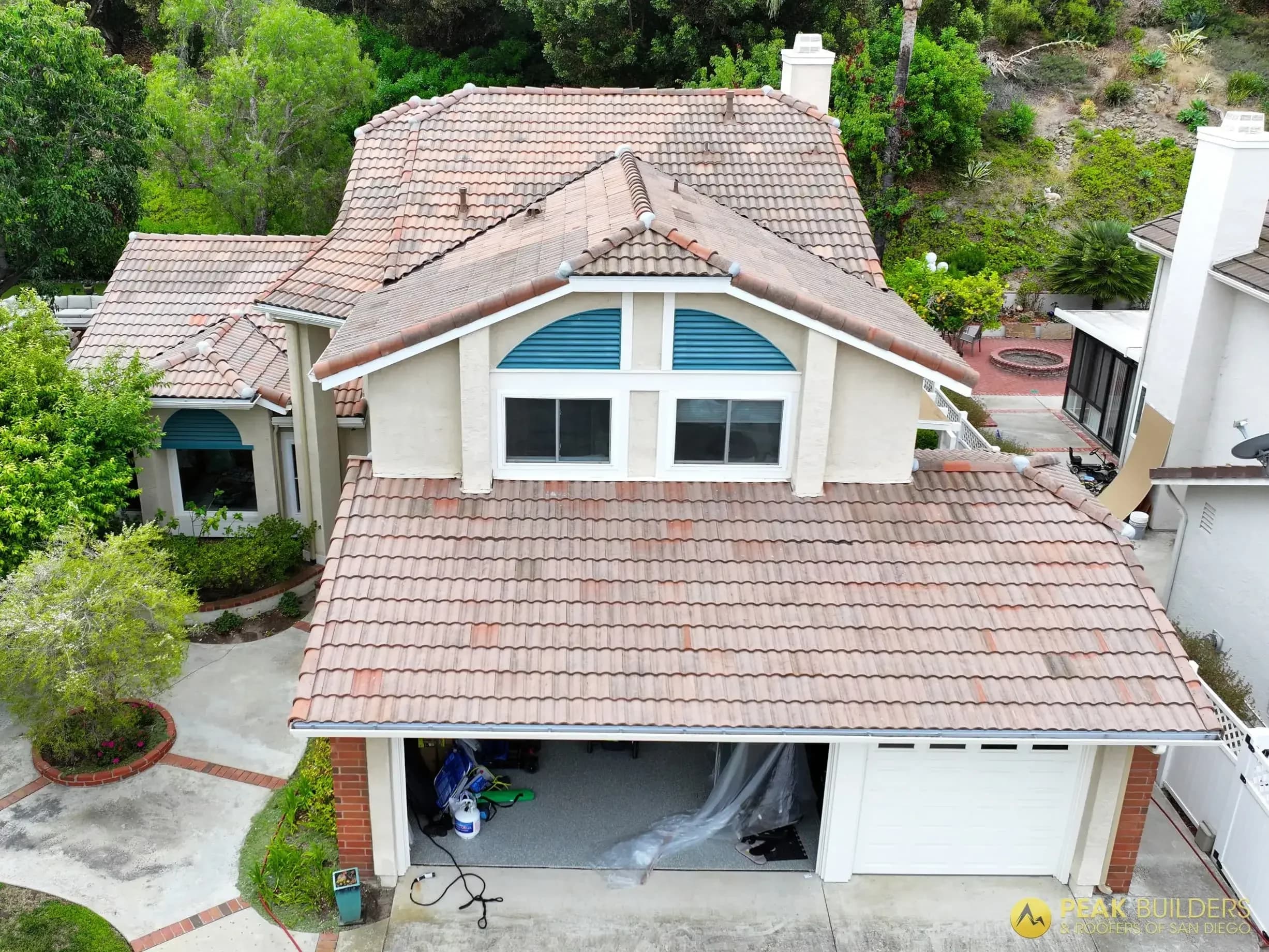
Winter Remodeling in Denver: Surprisingly, the Best Time to Start
Every November, our phone slows down. Homeowners assume winter means waiting—that remodeling is a spring and summer thing.
They're not entirely wrong. Some projects genuinely need warm weather. You're not pouring a concrete driveway in January.
But for most interior work—kitchens, bathrooms, basements, and more—winter is actually ideal. Here's why.
The Scheduling Advantage
Spring through fall is contractor chaos. Everyone wants work done, and good contractors book months in advance. The competition for scheduling is fierce.
But winter? We have openings. Our best crews have availability. Lead times shrink from "maybe in three months" to "we can start in two weeks."
What this means for you:
- More flexibility in start dates
- Your project isn't competing with a dozen others for our attention
- Subcontractors (electricians, plumbers) are also less backed up
- Material suppliers can prioritize your order
This scheduling advantage is real. Projects that take 10 weeks in summer might take 7 weeks in winter simply because everyone involved is less stretched.
The Pricing Reality
We'll be honest: most contractors don't offer official "winter discounts." Our costs are our costs year-round.
But there's hidden pricing benefits:
- More room to negotiate: When we're hungry for work, there's more flexibility.
- Material sales: Suppliers often discount to move inventory at year-end.
- Financing promotions: Winter often brings 0% APR offers as lenders chase business.
We're not saying you'll save 20%. But you might save 5-10%, and you definitely have more leverage.
Your Spring Will Be Free
Here's what homeowners don't think about: if you remodel in winter, spring is yours.
Start a kitchen remodel in March, and you're eating takeout during the gorgeous weather when you want to be grilling in the backyard. Your house is a construction zone during the first nice weekends of the year.
Start in January, and you're done by March. Spring arrives and your beautiful new kitchen is complete. Your first use of that outdoor grill happens in a finished, beautiful space.
There's real lifestyle value in getting projects done during the months you're inside anyway.
What Works in Winter (And What Doesn't)
Perfect for winter:
- Kitchen remodels: All interior work. Worst case, you need a new exterior vent, which takes an hour.
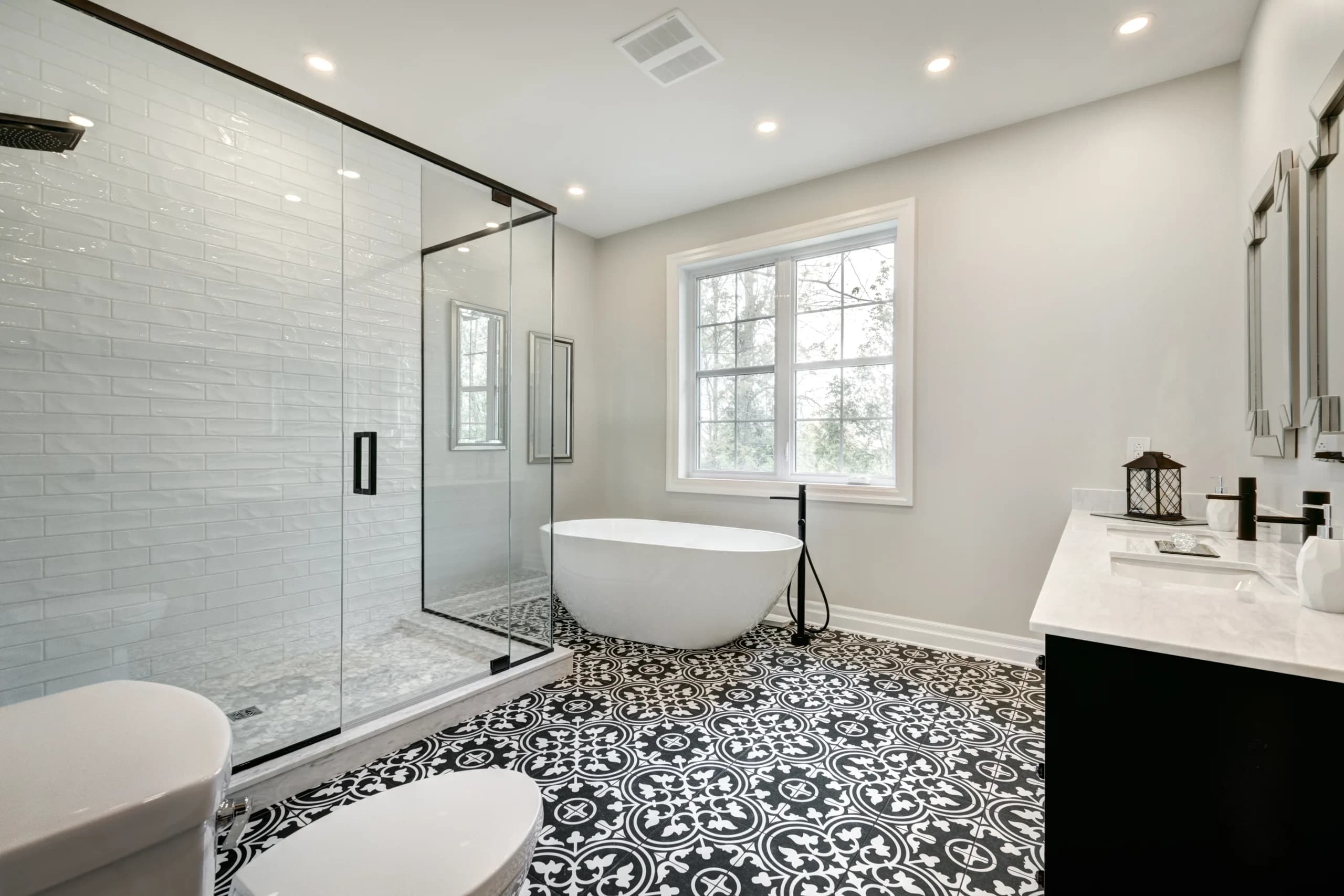
- Bathroom renovations: Completely interior. No weather concerns.
- Basement finishing: Underground and climate-controlled. Year-round work.
- Interior painting: Actually better in winter when windows are closed (controlled humidity).
- Flooring: Interior work, no weather issues.
Possible with planning:
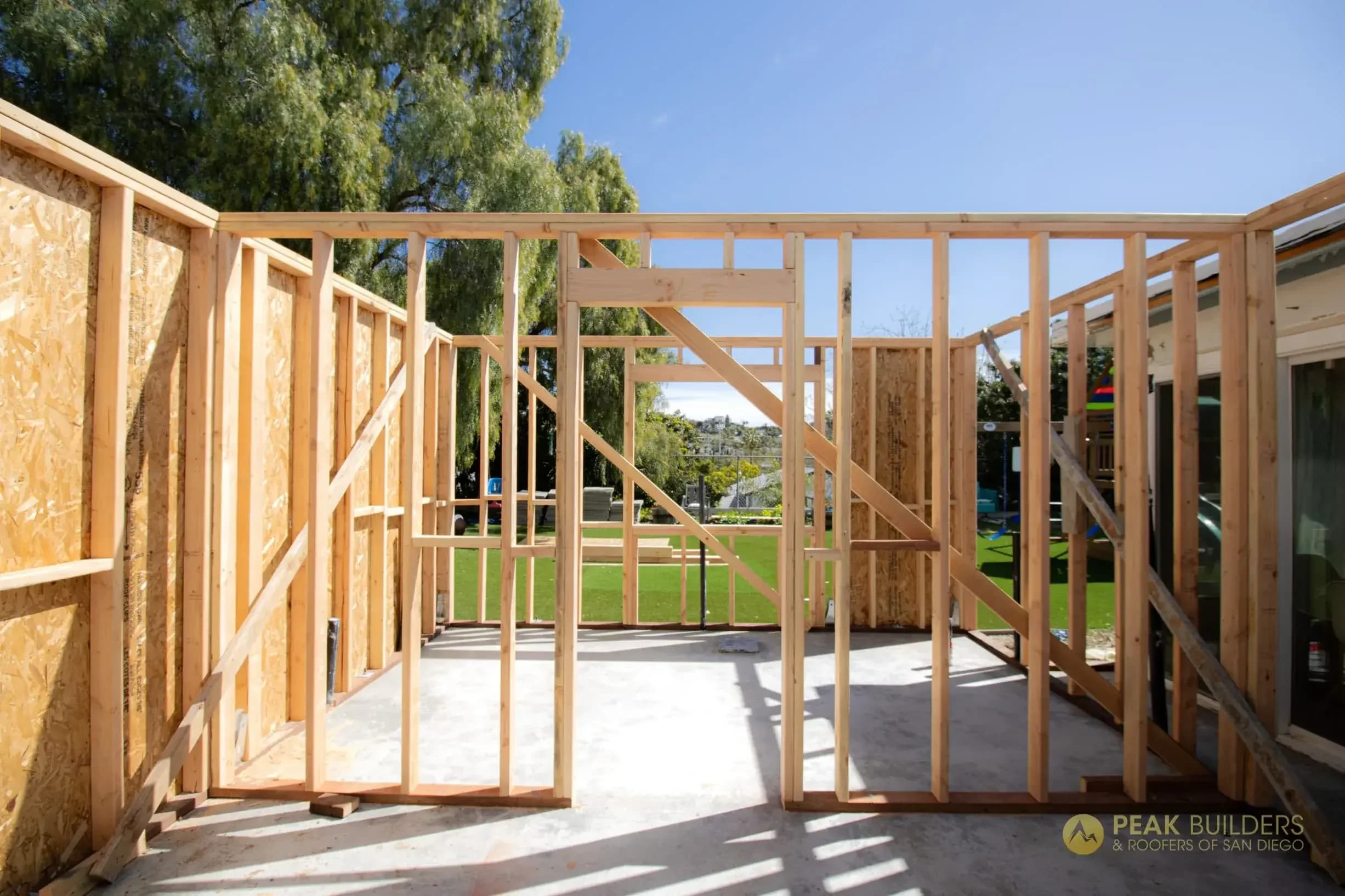
- Room additions: Foundation work needs careful timing around freezes, but framing and interior work proceed fine.
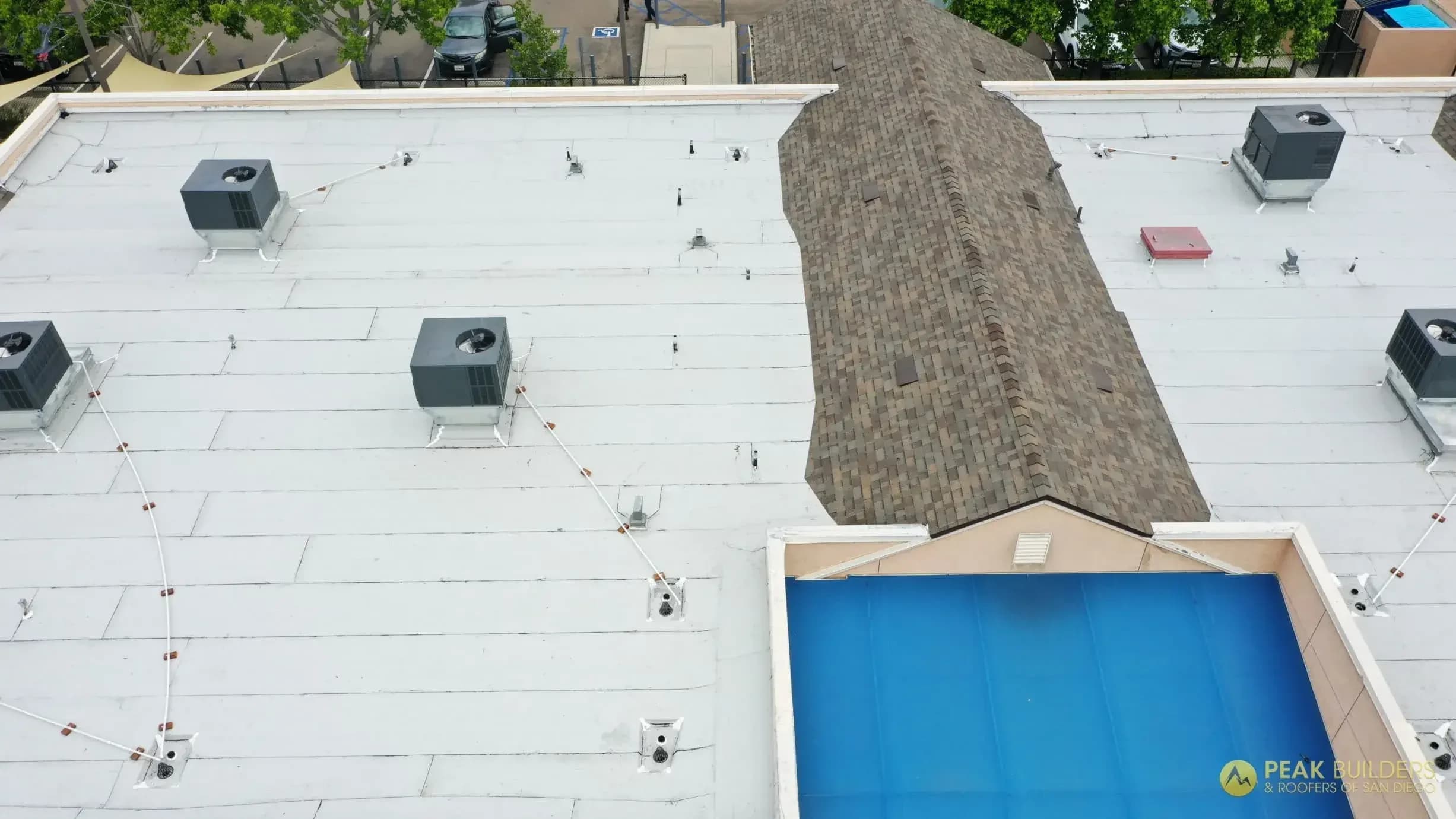
- Roof replacement: Shingle installation needs temps above 40°F. We schedule around Denver's winter warm spells.
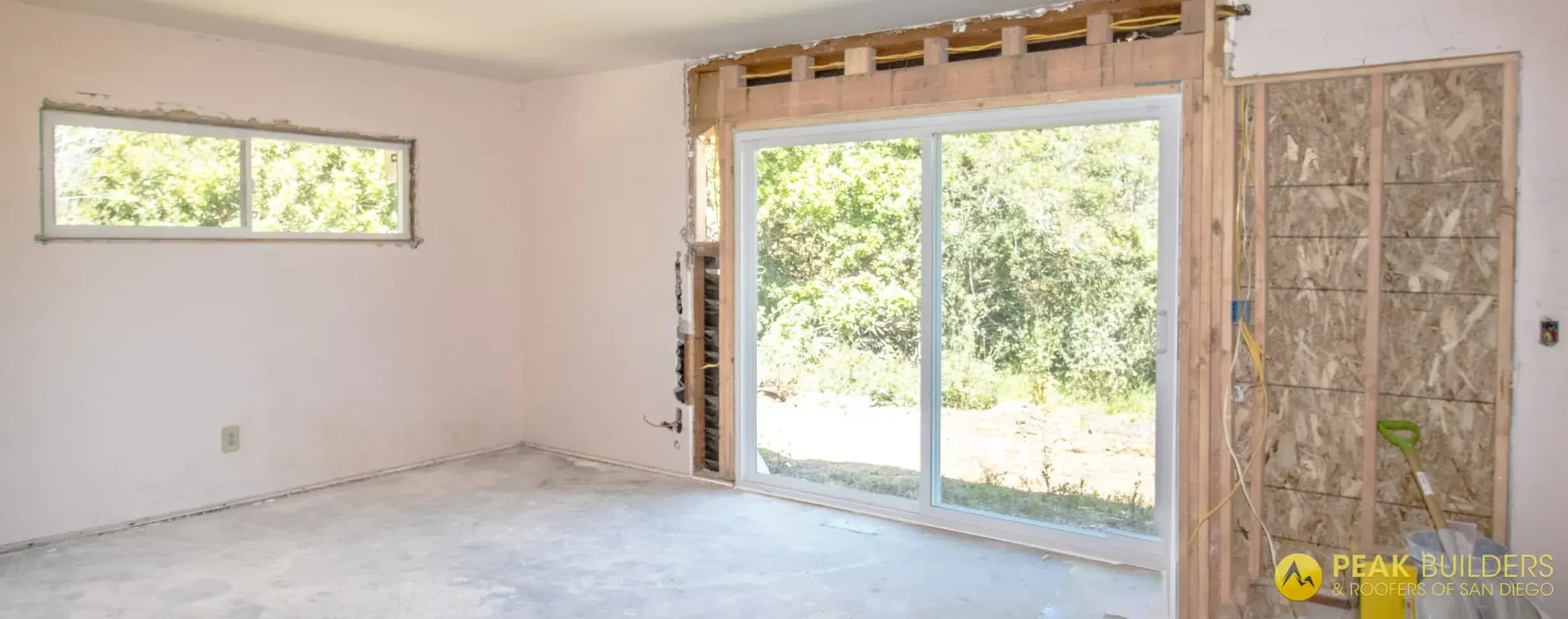
- Window replacement: Can be done in winter with proper weather planning—we never leave your house open overnight.
Better to wait for spring:
- Concrete work: Flatwork (driveways, patios) shouldn't be poured below 50°F.
- Exterior painting: Needs consistent temps above 50°F for proper curing.
- Major landscaping: Ground work is challenging when soil is frozen or soggy.
- Deck construction: Possible but harder—staining and finishing need warmer temps.
The Winter Remodeling Challenges (And How We Handle Them)
Challenge: Dust and debris in winter means less ventilation.
In summer, we can open windows. In winter, that's not ideal. So we compensate:
- More aggressive dust containment (better plastic barriers, dedicated air scrubbers)
- HEPA vacuums attached to cutting tools
- Daily cleanup rather than end-of-project cleanup
Honestly? Our winter sites are often cleaner than summer sites because we can't rely on open windows to clear the air.
Challenge: Heating during demo and construction.
When walls are open or exterior doors are being replaced, keeping spaces warm requires thought. We plan for this:
- Temporary barriers to isolate work areas
- Portable heaters where needed
- Scheduling exterior penetrations for warmer parts of the day
- Never leaving your home without heat overnight
Your utility bill might be slightly higher during construction. It's a minor cost in the overall project budget.
Challenge: Material deliveries in snow.
Denver snow is usually manageable—it melts fast. But we track weather and plan accordingly:
- Materials ordered early and staged before storms
- Flexible scheduling around major weather events
- Covered storage for moisture-sensitive materials
We've been building in Denver for 25 years. Winter isn't new to us.
The Psychology of Winter Projects
There's something satisfying about being productive in winter when the world feels dormant. While neighbors are waiting for spring, you're checking off the major home improvement you've been planning.
And there's a coziness to planning and executing a project during the introspective winter months. You have time to think, to visit showrooms without rushing between outdoor activities, to make decisions without feeling like you're missing beautiful weather.
By the time spring arrives, you're not thinking about remodeling—you're enjoying your remodeled space.
The Spring Rush Reality
Here's what happens every March: our phone explodes. Everyone who waited all winter suddenly wants to start. Projects that could have been scheduled in February now have lead times into May or June.
Those spring clients often finish in summer—when they'd rather be outside enjoying Denver's beautiful weather, not living through construction.
The winter clients? They're already done. Grilling on their new patio, cooking in their new kitchen, hosting summer parties in their finished basement.
When to Start Planning
If you're reading this in fall or early winter, now is the perfect time to start planning for a January or February construction start:
November-December: Initial consultations, design decisions, material selections.
January-February: Construction begins during slowest contractor season.
February-March: Project completion, punch list, final details.
Spring: Enjoy your new space.
The planning phase doesn't require good weather. Use the holidays and slower season to make decisions without pressure.
Ready to Beat the Spring Rush?
If you've been putting off a remodel until "the right time," consider whether winter might actually be it. Better scheduling, potential savings, and a spring without construction chaos.
Call us at (720) 605-7785 or schedule a winter consultation. We'll tell you honestly whether your project is a good winter candidate—and if so, we might be able to start sooner than you'd expect.