
Open Concept: The Honest Pros and Cons Before You Knock Down That Wall
"We want to open this up."
We hear it in nearly every kitchen consultation. The wall between the kitchen and living room, the closed-off dining area, that hallway that makes the house feel cramped—homeowners want them gone.
And often, we help them do exactly that. Open concept can be transformative. It can make a 1,500-square-foot ranch feel twice its size. It can turn a dark, chopped-up floor plan into something bright and livable.
But it's not always the right answer. And some homeowners who've gone open concept have quietly admitted to us: "I wish we'd kept that wall."
So let's have an honest conversation about what open concept actually delivers—and what it costs you.
The Real Benefits of Open Concept
It genuinely makes spaces feel larger.
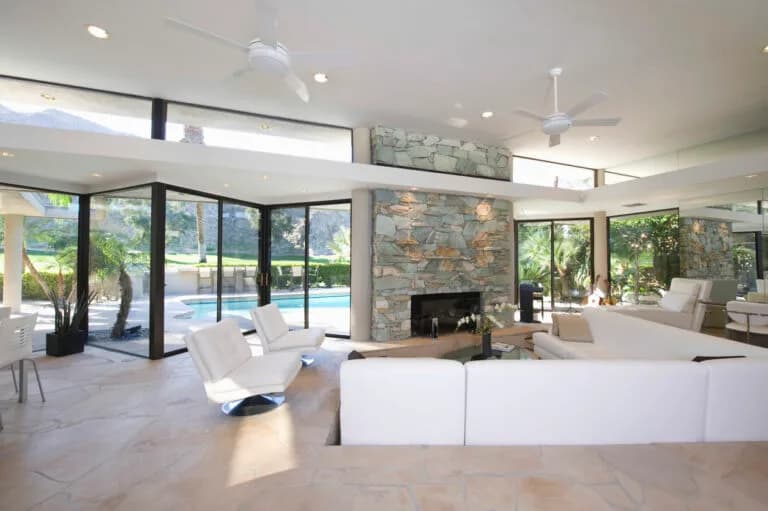
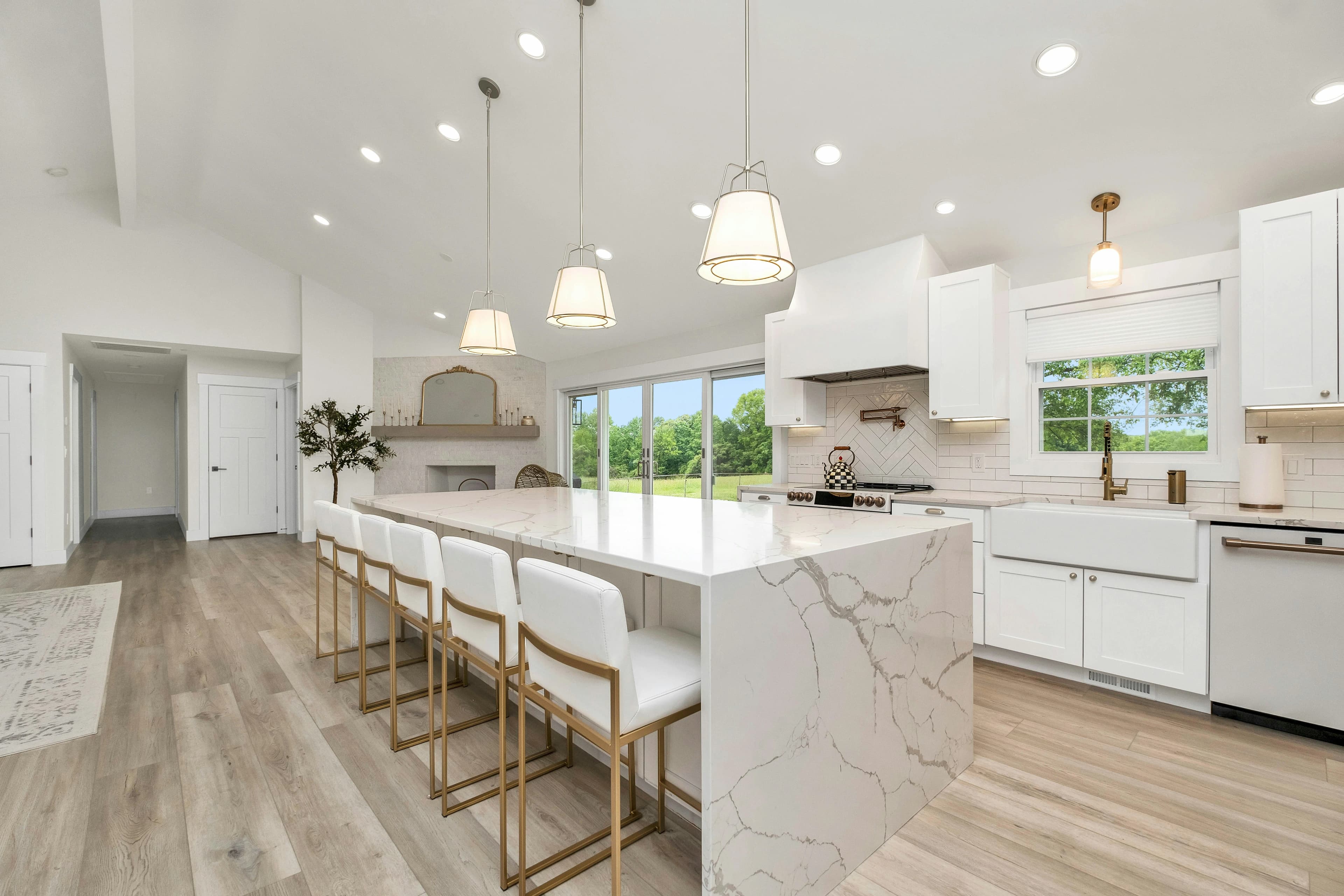
This isn't just perception—though perception matters. When your eye can travel from kitchen to living room to dining area without interruption, the space reads as bigger. For smaller Denver homes (and many are), this can be genuinely transformative.
It improves natural light dramatically.
Walls block light. Remove them, and suddenly that window in the living room is lighting up the kitchen too. In Denver, where we get 300 days of sunshine, maximizing natural light isn't just aesthetic—it affects your mood, your energy bills, and how you feel in your home.
It makes entertaining easier.
The cook is no longer banished to the kitchen while guests gather elsewhere. You can prep dinner, keep an eye on kids in the living room, and participate in conversation simultaneously. For families who like to host, this connectivity is real and valuable.
It can improve traffic flow.
Removing walls often eliminates awkward hallways and wasted circulation space. Instead of walking around walls to get from A to B, you can move directly. This makes the square footage you have work harder.
It often updates dated floor plans.
Many Denver homes built before 1990 have small, closed kitchens that were designed for a different era. Opening them up brings these homes into alignment with how modern families actually live.
The Downsides Nobody Talks About
You lose privacy and quiet.
Open concept means every conversation, TV show, phone call, and video game is shared. If one person wants to watch football and another wants to read, too bad—you're doing both in the same acoustic space.
Families with kids find this especially challenging. The noise of a play area carries directly to where parents are trying to work or relax. There's no escape without leaving the main floor.
Cooking smells (and mess) spread everywhere.
That wall you removed was also containing the smell of last night's fish dinner. Now your whole living space smells like Tuesday's curry. And the visual mess of a kitchen in mid-meal prep is on full display to anyone in the living room.
You lose wall space.
Walls hold things. Bookshelves, art, TVs, furniture arrangements—all of these get more complicated when you have fewer walls. Open concept homes often struggle with where to put the couch, how to define spaces, and where to display anything.
Heating and cooling get harder.
Smaller rooms are easier to heat and cool. Open a 1,500-square-foot floor plan into one big space, and suddenly your HVAC has to work harder to maintain consistent temperature. Hot and cold spots become more pronounced.
It's expensive to do properly.
This is the one that surprises people most. "We just want to take out this one wall" sounds simple. But load-bearing walls require structural engineering, headers, and posts. You'll need to relocate electrical, potentially move plumbing, patch flooring, and match finishes. That "one wall" removal often costs $15,000-$30,000 done right.
The Questions to Ask Yourself
Before committing to open concept, honestly answer these:
How do you actually live?
Not how you want to live, not how HGTV suggests you live—how do you actually use your space? If you rarely entertain but often need quiet spaces for work, open concept might not serve you.
How sensitive are you to noise?
If you get irritated when you can hear the TV from another room, open concept will drive you crazy. There's no wall to close.
How do you feel about visual clutter?
Open concept means seeing everything all the time. Dishes in the sink? Visible. Homework spread on the dining table? Visible. Toys everywhere? Very visible. If mess stresses you out, walls actually help.
What's your family stage?
Families with young kids often love open concept—it makes supervision easy. Families with teenagers sometimes wish they'd kept more separate spaces. Empty nesters sometimes want open; others want defined rooms for different activities.
The Middle Ground Most People Don't Consider
Here's something we often suggest: partial open concept.
Instead of removing an entire wall, remove part of it. A large pass-through opening between kitchen and living room gives you visual connection and shared light while maintaining some acoustic separation and wall space.
Or keep a peninsula or island that defines the kitchen space without fully closing it off. You get the feeling of openness with more practical definition.
Another option: pocket doors or barn doors that let you open up or close off spaces as needed. Hosting a party? Open everything up. Working from home while kids do virtual school? Close the doors.
The Structural Reality
Not all walls can be removed, and this matters more than most homeowners realize.
Load-bearing walls support the structure above them. Removing them requires installing alternative support—typically a beam with posts or a flush header. This is engineering work, not guesswork. Done wrong, you can literally compromise your home's structure.
How do you know if a wall is load-bearing? Generally, walls that run perpendicular to floor joists, walls in the center of the house, and walls that support the roof are structural. But "generally" isn't good enough—you need a professional assessment.
Budget impact: Removing a non-load-bearing wall might cost $3,000-$5,000 with finishing. Removing a load-bearing wall with proper structural support runs $15,000-$30,000 or more, depending on complexity.
When Open Concept Makes the Most Sense
Based on the hundreds of Denver homes we've worked on, open concept tends to work best when:
- The existing floor plan is genuinely dysfunctional (dark, cramped, poor flow)
- You entertain regularly and want connected social spaces
- Your household is small and noise privacy isn't a concern
- You have good natural light to spread around
- You're okay with visible kitchen mess
- You have a plan for wall space and furniture arrangement
It tends to be less successful when:
- You have kids or family members who need quiet space
- Multiple people work from home
- You're sensitive to noise or smell
- You prefer visual order and defined rooms
- The existing floor plan actually works and you're just chasing trends
Our Recommendation
If you're considering opening up your Denver home, here's what we suggest:
1. Live with your current floor plan for a while first. Understand what bothers you and what works before making permanent changes.
2. Talk to a contractor before committing. Get a realistic assessment of structural requirements and costs. That "simple wall removal" might be more complex than you think.
3. Consider hybrid solutions. Partial openings, pass-throughs, and flexible doors often give you the best of both worlds.
4. Plan the whole space, not just the demolition. Think about where furniture goes, how you'll define different zones, and how the space will actually function day-to-day.
Open concept isn't right or wrong—it's just one option. Make sure it's the right option for how you actually live.
Want to Explore Your Options?
We're happy to look at your floor plan and give you honest advice about what makes sense. Sometimes we tell people "yes, open this up—it will transform your home." Sometimes we say "actually, that wall is doing important work—let's find another solution."
Call (720) 605-7785 or schedule a consultation. We'll help you figure out what's actually best for your space and your life.