Aging in Place: Home Modifications That Actually Matter
"We want to stay in this house forever."
We hear this all the time from Denver homeowners in their 50s and 60s. They've raised kids here, they know their neighbors, they don't want to leave. The question isn't whether to move—it's how to make the house work for the next 30 years.
We've helped many families navigate these conversations and make modifications. Here's what we've learned actually matters.
The Projects That Make the Biggest Difference
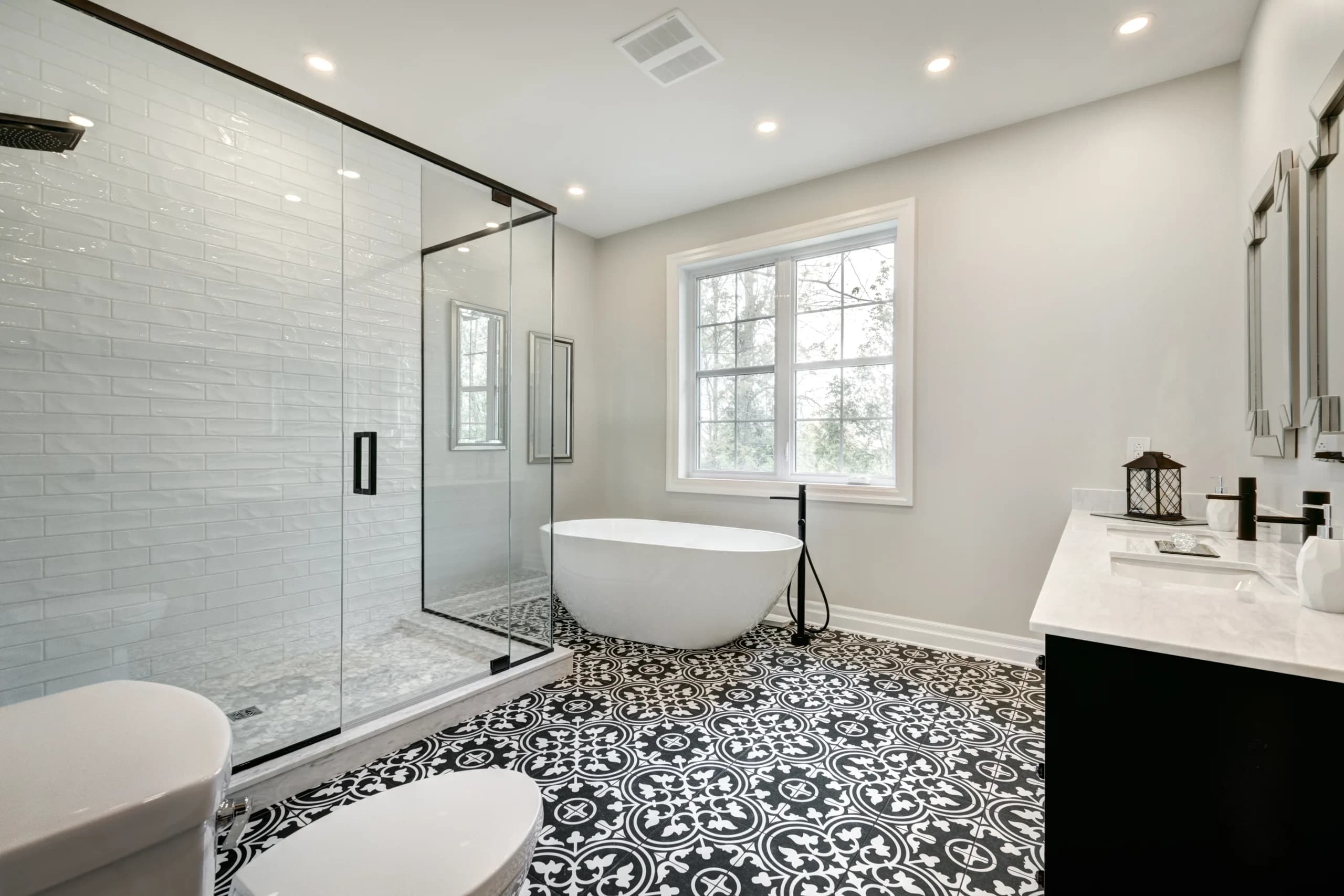
1. A main-floor bathroom with a walk-in shower
If we could only recommend one aging-in-place modification, this is it.
Stairs become the enemy eventually. A main-floor bedroom means nothing if you have to climb stairs to shower. And bathtubs become genuinely dangerous—more injuries happen getting in and out of tubs than almost anywhere else in the home.
What "walk-in shower" means for aging in place:
- Zero threshold or minimal curb (curbless is ideal)
- Non-slip flooring throughout
- Built-in bench or fold-down seat
- Handheld showerhead on adjustable slide bar
- Grab bars (more on these below)
- Wide entry (36" minimum, 42" better)
Cost: $20,000-$40,000 for a full bathroom renovation with walk-in shower. If you're already planning a bathroom update, the aging-in-place features add minimal cost.
2. First-floor master bedroom access
If your bedrooms are all upstairs, eventually that becomes a problem. Options:
- Convert a main-floor room: Often the dining room or home office can become a bedroom if a bathroom is nearby.
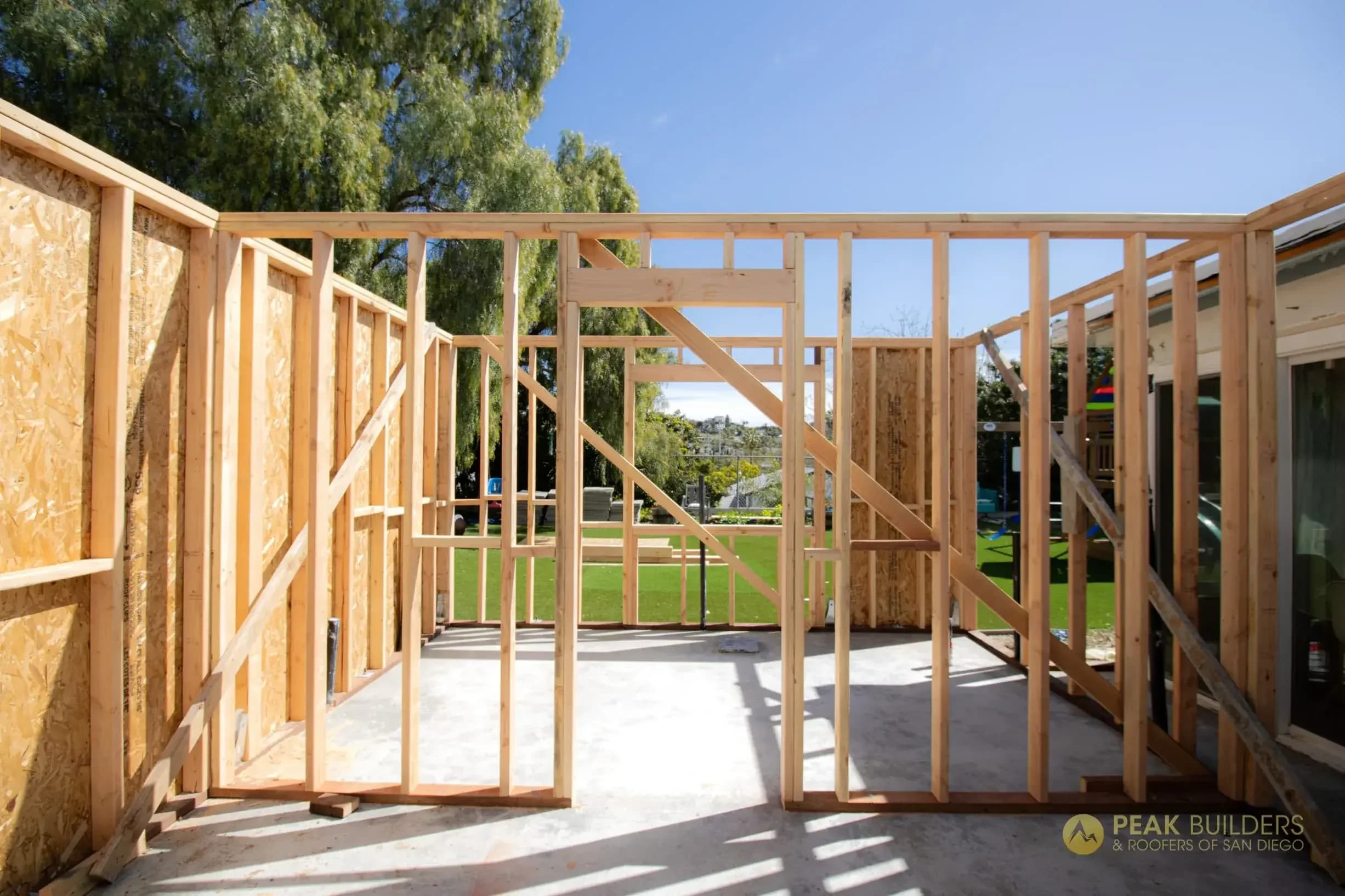
- Add a first-floor addition: A master suite addition costs $100,000-$200,000 but provides both bedroom and accessible bathroom.
- Finish the basement: If you can handle a few stairs now but want to avoid climbing a full flight, a basement bedroom with bathroom is a middle-ground option.
The best solution depends on your specific house and timeline. But don't wait until stairs are impossible—plan ahead.
3. Door widening and hallway access
Standard interior doors are 28-30 inches wide. Wheelchairs and walkers need 36 inches. If you ever need mobility assistance, narrow doors become impassable.
Widening doors isn't expensive if done during other renovation work—$500-$1,500 per door. But it does require reframing, so it's not a quick fix.
Key areas to address:
- Bathroom doorway (most critical)
- Bedroom doorway
- Entry from garage or main entrance
- Any doorway in your main living path
The Grab Bar Conversation
Grab bars have an image problem. People think "institutional" and "nursing home."
But grab bars save lives. Falls are the leading cause of injury for older adults, and bathroom falls are the most common. A properly placed grab bar can mean the difference between a close call and a broken hip.
Modern grab bar options:
- Designer finishes that match your fixtures (oil-rubbed bronze, brushed nickel, matte black)
- Bars that double as towel bars or toilet paper holders
- Sleek, minimalist designs that don't scream "medical"
Where they matter most:
- Shower/tub entry (vertical bar)
- Inside shower (horizontal bar at grab height)
- Next to toilet (angled bar or flip-down arm)
The critical detail: Grab bars must be mounted into studs or blocking—not just drywall. If you're doing any bathroom renovation, have blocking installed behind the walls even if you're not adding bars yet. Cost is minimal during construction, expensive to add later.
Lighting Matters More Than You Think
Vision changes with age. What felt bright enough at 40 feels dim at 70. Falls often happen because someone couldn't see a step or threshold clearly.
Improvements that help:
- Task lighting: Under-cabinet lights in kitchen, good lighting at workspaces
- Night lighting: Motion-activated lights in hallways and bathrooms
- Switch accessibility: Illuminated switches, smart controls, and switches at both ends of hallways
- Reducing glare: Matte surfaces, diffused fixtures, avoiding stark contrasts
These improvements benefit everyone, at any age. There's no downside to better lighting.
Flooring Choices That Reduce Falls
Slip-and-fall risk starts with your floors. Certain choices are dramatically safer:
Safer options:
- Matte-finish luxury vinyl plank (LVP)—excellent traction, forgiving on falls
- Low-pile carpet—softer landings, good traction
- Textured tile—grips better than polished surfaces
- Cork flooring—soft and naturally slip-resistant
Riskier options:
- Polished tile or marble—beautiful but slippery when wet
- High-pile carpet—can catch feet, harder to navigate with mobility aids
- Thresholds and transitions—level or ramped transitions are safer than raised thresholds
If you're replacing flooring anyway, choose materials that will serve you well long-term.
Smart Home Features That Actually Help
Not all smart home technology is relevant to aging in place. But some genuinely helps:
Useful:
- Voice-controlled lighting: No need to reach switches in the dark
- Video doorbells: See who's there without walking to the door
- Smart locks: No fumbling with keys; let caregivers in remotely
- Smart thermostats: Easier to read and adjust than traditional controls
- Motion-sensor faucets: Easier when grip strength decreases
Less useful than advertised:
- Complex whole-home automation (steep learning curve)
- Apps for everything (older adults often prefer simple controls)
The best technology is the kind you'll actually use. Simple and reliable beats sophisticated and confusing.
When to Make These Changes
The time to make aging-in-place modifications is before you desperately need them.
In your 50s-60s: Plan ahead. If you're doing any major renovation, incorporate accessibility features. They add minimal cost during construction and massive value later.
In your 60s-70s: Make proactive changes based on honest assessment of your health trajectory. If knee issues run in your family, address stairs now.
In your 70s+: Don't wait for a fall or crisis. If you're noticing challenges, address them immediately.
The worst time to renovate for accessibility is right after an injury or health crisis. You'll be making rushed decisions during a stressful time. Plan ahead.
The Emotional Component
There's often resistance to aging-in-place modifications. They can feel like admitting vulnerability or "getting old."
We try to reframe this: These modifications are about independence. About staying in the home you love rather than being forced into assisted living. About maintaining control over your environment.
The most fiercely independent older adults we know are the ones who planned ahead and made their homes work for them.
An Honest Assessment
Not every house can be reasonably modified for aging in place. Multi-story homes without room for first-floor living, houses with tight hallways that can't be widened, bathrooms without space for walk-in showers—sometimes the modifications cost more than they're worth.
We're happy to walk through your home and give you an honest assessment. What would modifications cost? Are they feasible? Or would downsizing to a more accessible home actually make more sense?
No judgment, no sales pressure—just practical information to help you make the right choice for your situation.
Ready to Plan Ahead?
If you're thinking about staying in your Denver home long-term, let's talk about what that would take. We'll assess your space, discuss your priorities, and give you realistic options and costs.
Call (720) 605-7785 or schedule a consultation. Planning ahead is the best gift you can give your future self.