First-Time Homebuyer? Here's What to Renovate First (And What Can Wait)
Congratulations—you just bought your first home in Denver. Maybe it's a 1960s ranch in Wheat Ridge with original everything. Maybe it's a 1980s two-story in Centennial that screams "oak cabinets and brass fixtures." Maybe it's a "vintage charmer" (real estate speak for "needs work") in Capitol Hill.
Whatever you bought, you probably have a list of things you want to change. The kitchen is dated. The bathrooms are tired. The carpet is... let's not talk about the carpet.
Here's the thing: you can't do everything at once. Not financially, not practically, and not without losing your mind. So let's talk about what actually matters, in what order.
Before You Renovate Anything: The Non-Negotiables
Before you pick paint colors or browse cabinet samples, make sure your home's basics are solid. These aren't sexy upgrades, but they're essential.
Safety and structure first:
- Electrical: If your home has a Federal Pacific or Zinsco panel, replace it immediately. These are fire hazards. If you have aluminum wiring (common in 1960s-70s Denver homes), get it evaluated.
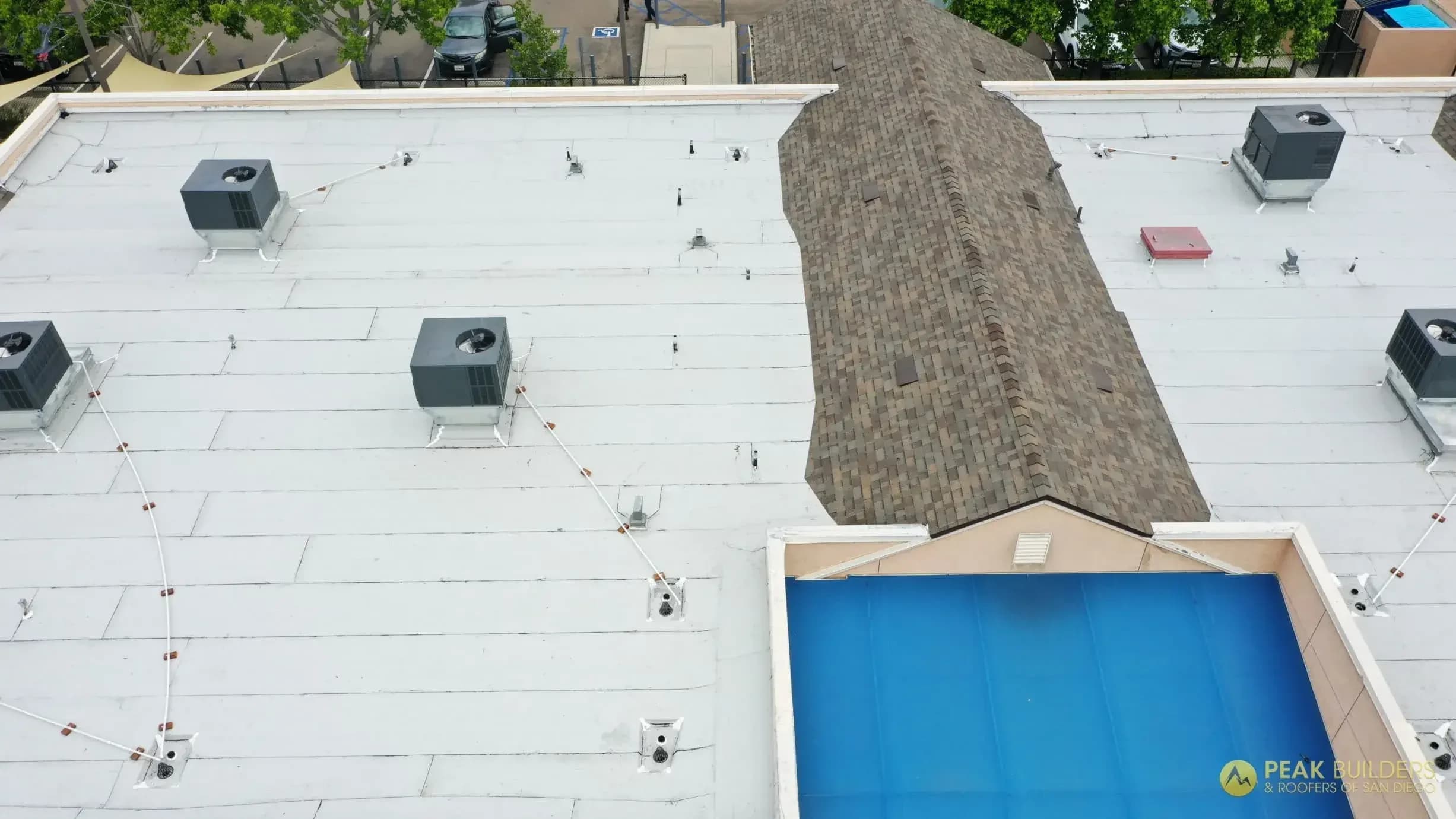
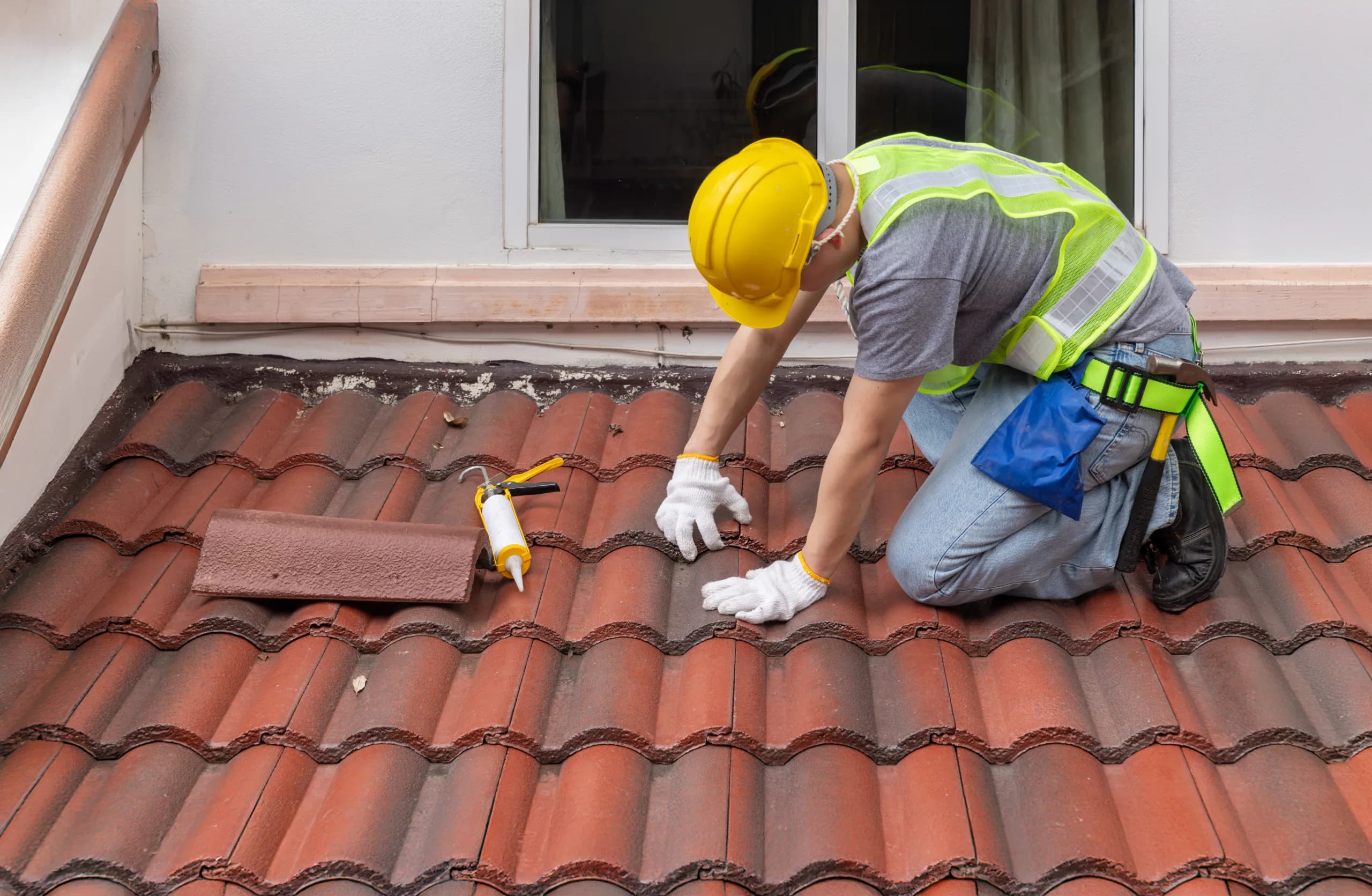
- Roof: How old is it? Denver hail is brutal. If you're past 15-20 years, budget for replacement soon. A leaking roof damages everything below it.
- Foundation: Denver's expansive clay soil is hard on foundations. Cracks, sticking doors, or uneven floors warrant professional inspection.
- HVAC: If the furnace is over 20 years old, plan for replacement. A new high-efficiency unit will also lower your bills.
- Water heater: Over 10-12 years old? It's living on borrowed time. Better to replace proactively than deal with a flood.
None of this is fun to spend money on. But a beautiful kitchen doesn't matter if your foundation is failing or your electrical panel is a fire risk.
Year One: The Livability Upgrades
Assuming your basics are sound, here's what to tackle in your first year.
1. Flooring (especially if there's carpet)
Old carpet is gross. We don't care how clean it looks—years of other people's pets, kids, and spills are in there. Plus, carpet removal often reveals hardwood floors you can refinish.
Even if you have to install new flooring, doing it before you're fully moved in is SO much easier than doing it later. No furniture to shuffle, no disruption to daily life.
Budget: $5-$15 per square foot for LVP, hardwood, or tile. For a 2,000 sq ft home, expect $10,000-$30,000 depending on materials.
2. Paint everything
Nothing transforms a home faster than fresh paint. And again—infinitely easier to do before you're fully settled with furniture everywhere.
Go neutral. We know you love that bold teal accent wall, but you might hate it in two years. Neutral walls are a canvas you can personalize with furniture and art.
Budget: $3,000-$6,000 for professional painting of a whole house interior. DIY for half that if you have the time and patience.
3. Light fixtures
Builder-grade brass fixtures from 1995 make even nice spaces feel dated. Replacing light fixtures is relatively cheap and makes a huge visual difference.
Budget: $1,000-$3,000 for new fixtures throughout. More if you're adding recessed lighting.
Years One to Three: The Big Projects
Now we're into the major renovations. The order depends on your priorities and pain points, but here's our general recommendation:
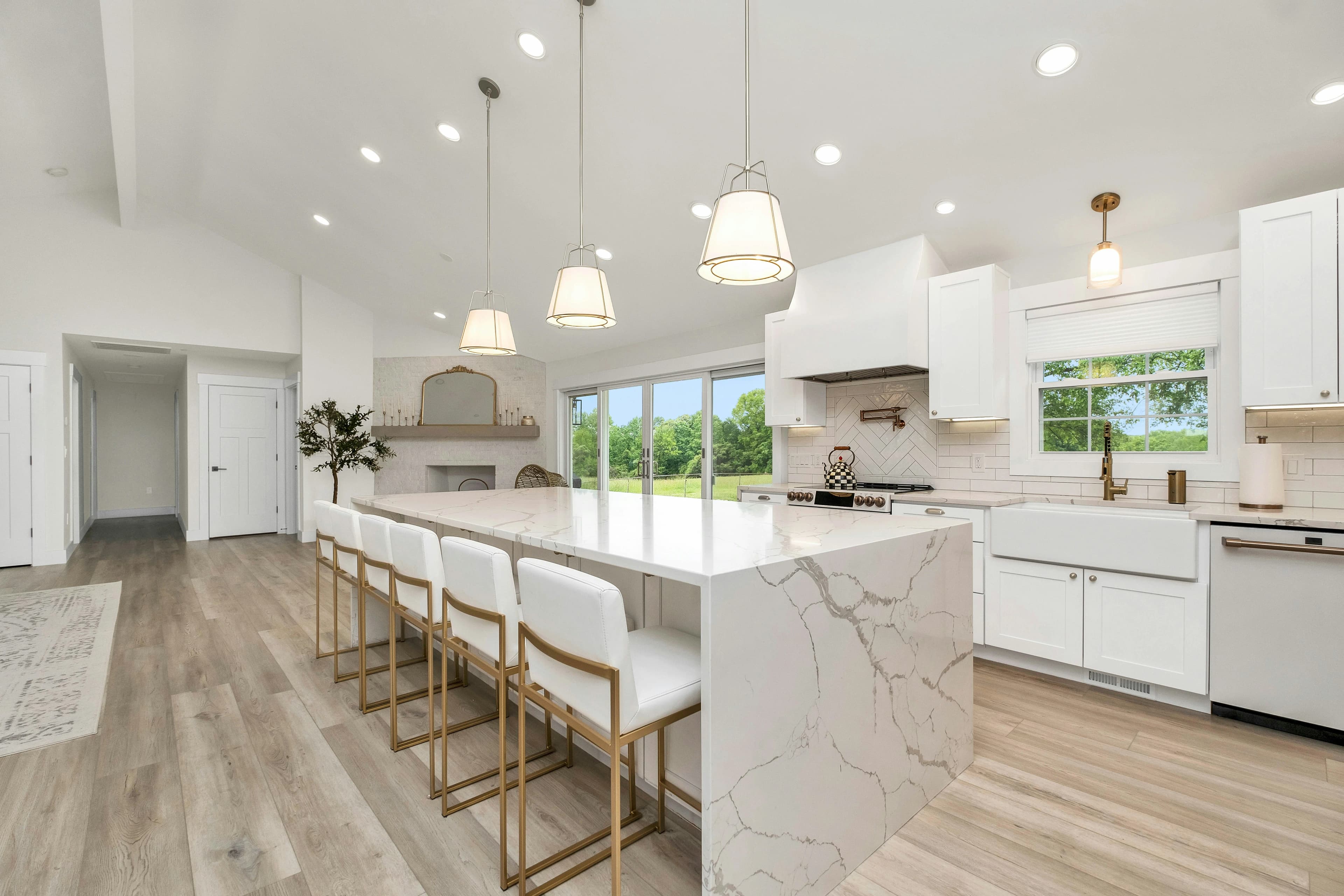
Kitchen (if it's truly dysfunctional)
The kitchen is where you'll spend the most money, so wait until you know what you actually need. Live in your home for 6-12 months first. You'll learn what works, what doesn't, and what you can live with.
A few months of cooking in a dated kitchen won't kill you. It will help you make smarter decisions when you do renovate.
Budget: $30,000-$60,000 for a mid-range Denver kitchen remodel.
Primary bathroom (if it's affecting your daily life)
If your master bathroom has a tiny shower, no storage, and 1970s tile that makes you sad every morning—prioritize it. You use it every day.
Guest bathrooms, powder rooms, and secondary baths can wait. They're used less and tolerated more easily.
Budget: $20,000-$40,000 for a master bath renovation.
Basement finishing
This is Denver's secret weapon for adding space affordably. Finishing a basement costs roughly half what you'd pay for an addition, and Colorado basements are typically dry and buildable.
If you need a home office, guest room, playroom, or rental income (hello, basement ADU), this should be high on your list.
Budget: $30,000-$60,000 for a finished basement with bathroom.
What Can Wait (Longer Than You Think)
Some projects feel urgent but actually aren't:
Cosmetic kitchen updates: If your kitchen is functional but ugly, consider living with it for a few years. Paint the cabinets, replace hardware, add a peel-and-stick backsplash. These $2,000 updates can make an outdated kitchen totally livable while you save for the real renovation.
Landscaping: Your yard can wait. Focus on the inside first. A few hanging baskets and some mulch buy you time.
Guest spaces: The guest bedroom and bathroom that you use twice a year? They can stay dated. Your guests will survive.
Garage: Unless it's a structural issue, the garage floor and organization can wait years.
That "someday" project: The sunroom addition, the backyard kitchen, the pool—these are aspirational projects for when you've handled the basics and have discretionary funds.
The First-Year Budget Reality Check
Here's the truth: your first year of homeownership is expensive. Beyond the down payment and closing costs, you'll face:
- Furniture and stuff for rooms you didn't have before
- Tools and equipment (lawn mower, snow blower, etc.)
- Unexpected repairs (something will break)
- Higher utility bills than you budgeted
- Property taxes and insurance (often underestimated)
Don't drain your savings on renovations in year one. Keep a healthy emergency fund. The smart first-time homeowners we work with typically do flooring, paint, and small updates in year one, then tackle one major project per year after that.
A Realistic Five-Year Plan
Here's what a sensible renovation timeline might look like for a typical first-time Denver homeowner:
Year 1: Flooring, paint, light fixtures, small updates. Budget: $15,000-$25,000.
Year 2: Master bathroom renovation. Budget: $25,000-$40,000.
Year 3: Kitchen remodel. Budget: $35,000-$55,000.
Year 4: Basement finishing. Budget: $35,000-$50,000.
Year 5: Outdoor improvements, secondary projects. Budget: $15,000-$30,000.
This spreads $125,000-$200,000 in improvements over five years—manageable chunks that don't require massive loans or depleted savings.
The Emotional Reality
One more thing nobody tells first-time homeowners: it's normal to feel overwhelmed. You went from renting—where nothing was your problem—to owning everything. Every flaw is now your responsibility and your decision.
It's okay to:
- Live with imperfect spaces while you figure things out
- Change your mind about priorities as you learn your home
- Say "not this year" to projects you can't afford
- Ask for help understanding what's urgent vs. what can wait
Your home doesn't need to be perfect in year one. Or year three. It's a long-term investment that you improve over time.
Ready to Start Planning?
If you're a first-time Denver homeowner trying to figure out where to start, we're happy to walk through your home and help you prioritize. We'll tell you what's urgent, what can wait, and give you realistic budgets for the projects you're considering.
No pressure, no obligation—just honest guidance from people who've seen hundreds of Denver homeowners navigate this same journey.
Call (720) 605-7785 or schedule a consultation online.