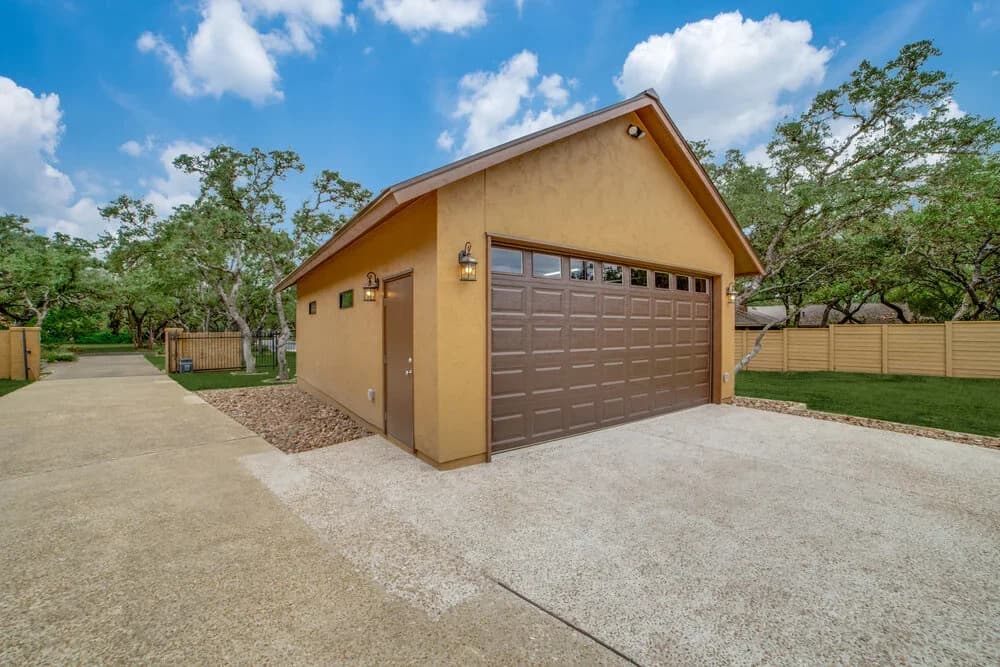
ADUs as Investment: Real Numbers on Denver Rental Income and ROI
The pitch for ADUs sounds great: build a small rental unit in your backyard, collect passive income, and let tenants pay down your mortgage. We've heard it called "free money" and "the best investment in real estate."
And sometimes it is. But sometimes it really isn't.
We've built dozens of ADUs for Denver homeowners. Some are thrilled with their investment. Others have learned expensive lessons. The difference usually comes down to running the numbers honestly before breaking ground.
Let's do that math together.
What ADUs Actually Cost in Denver
First, let's get real about construction costs. The numbers you see quoted online are often outdated or from lower-cost markets.
Detached ADU (new construction, 600-800 sq ft):
- Construction cost: $180,000-$280,000
- Permits and fees: $5,000-$12,000
- Utility connections: $8,000-$20,000
- Site work: $5,000-$25,000 (varies widely)
- Design/architecture: $5,000-$15,000
- Total: $200,000-$350,000
Garage conversion (600-800 sq ft):
- Construction cost: $80,000-$140,000
- Permits and fees: $3,000-$6,000
- Utility upgrades: $5,000-$15,000
- Total: $90,000-$160,000
Basement ADU (with separate entrance):
- Construction cost: $60,000-$120,000
- Permits and fees: $2,000-$5,000
- Egress windows and entrance: $10,000-$20,000
- Total: $75,000-$145,000
These are 2026 Denver numbers. Not national averages, not 2020 prices, not contractor lowballs—realistic project costs.
What You Can Actually Rent ADUs For
Now for the income side. Denver rental rates vary significantly by neighborhood, so let's look at ranges:
1-bedroom ADU (500-700 sq ft):
- Lower-demand areas (Montbello, Green Valley Ranch): $1,200-$1,500/month
- Mid-range areas (Lakewood, Wheat Ridge): $1,500-$1,800/month
- High-demand areas (Wash Park, Highlands, RiNo): $1,800-$2,400/month
2-bedroom ADU (700-1,000 sq ft):
- Lower-demand areas: $1,500-$1,800/month
- Mid-range areas: $1,800-$2,200/month
- High-demand areas: $2,200-$3,000/month
These are market-rate long-term rentals. Short-term (Airbnb-style) can be higher but comes with more work, more regulation, and more risk.
The Investment Math: Real Example
Let's run a realistic scenario for a detached ADU in a mid-range Denver neighborhood.
Project costs:
- Construction: $220,000
- Permits and fees: $8,000
- Utilities and site work: $22,000
- Total investment: $250,000
Monthly rental income: $1,800
Monthly expenses:
- Property management (if used, 8-10%): $180
- Maintenance reserve (5%): $90
- Insurance increase: $50
- Property tax increase: $75
- Utilities (if included): $150
- Vacancy allowance (5%): $90
- Total expenses: $635
Net monthly income: $1,165
Annual net income: $13,980
Cash-on-cash return: 5.6%
Is 5.6% good? It depends on your perspective. It's better than a savings account, worse than many stock market returns. But there's more to the story.
What the Simple Math Misses
That 5.6% return calculation is incomplete. Here's what else to consider:
Positive factors not captured:
- Property appreciation: Your ADU adds value to your property. That $250,000 investment might add $150,000-$200,000 to your home's sale price—equity you can access later.
- Mortgage leverage: If you finance the ADU with a home equity loan at 7%, your actual cash invested is much lower, improving returns.
- Tax benefits: Depreciation, interest deductions, and expense write-offs can significantly reduce your tax burden.
- Inflation hedge: Rents rise over time. That $1,800 might be $2,200 in five years.
Negative factors not captured:
- Your time: Being a landlord takes work—finding tenants, handling maintenance calls, dealing with problems. Your time has value.
- Tenant risk: Bad tenants can damage property, miss rent, or require expensive eviction. One disaster can wipe out years of returns.
- Opportunity cost: That $250,000 could be invested elsewhere. What would it return in the stock market?
- Lifestyle impact: You now have a tenant in your backyard. Forever. Privacy, noise, parking—these change.
When ADU Investment Makes Sense
Based on the projects we've seen succeed, ADU investment works best when:
You're in a high-rent neighborhood: The math is dramatically better in Highlands or Wash Park than in outlying areas. Higher rents on similar construction costs improve returns significantly.
You can do a conversion instead of new construction: Garage conversions and basement ADUs cost 40-60% less than detached units. The rental income is often similar.
You have a non-financial use case too: The best ADU investments serve double duty—rental income now, but also housing for aging parents, space for adult kids, or a home office. These extra benefits add value beyond the spreadsheet.
You're playing the long game: ADUs as wealth-building over 15-20 years make sense. ADUs as get-rich-quick schemes don't.
You don't hate being a landlord: If the idea of a 2 AM call about a broken pipe makes you anxious, ADU investment might not be for you—no matter what the numbers say.
When It Doesn't Make Sense
We sometimes talk clients out of ADUs. Here's when:
You're in a low-rent area: If market rents won't cover your costs, no amount of optimism changes the math.
Your lot has challenges: Small lots, access problems, or expensive utility routes can make ADU costs unreasonable.
You need the backyard: Kids, dogs, gardens, entertaining—an ADU takes space. Make sure you're okay with what's left.
You hate the idea of tenants: Don't build a rental if you don't want to be a landlord.
The Non-Financial Case for ADUs
Sometimes the best ADU decision isn't about pure ROI. We've built ADUs for:
- Aging parents: Close enough to help, far enough for independence. Priceless peace of mind.
- Adult children: A launching pad for kids saving for their own place, or a permanent arrangement that keeps family close.
- Home office: Post-pandemic, many homeowners want work space separate from living space. An ADU accomplishes this better than a spare bedroom.
- Retirement backup: Build it now, rent it out, live in it later when you want to downsize without leaving your neighborhood.
If any of these resonate, the investment math becomes secondary to the lifestyle value.
Our Recommendation
If you're considering an ADU as investment:
1. Run your specific numbers. Not general estimates—your lot, your neighborhood, your actual costs. We're happy to help with realistic budgets.
2. Research rental comps. Look at actual ADU rentals in your area (not apartments, not houses—ADUs specifically).
3. Consider conversions first. If you have an underused garage or basement, the math is usually much better than new construction.
4. Think about Plan B. What if you can't rent it? What if rental income disappoints? Make sure the ADU still makes sense for your family.
5. Talk to an accountant. The tax implications of rental property are significant. Know the full picture.
ADUs can be excellent investments. They can also be expensive lessons. The difference is usually in the planning.
Want to Run Your Numbers?
We've helped dozens of Denver homeowners think through ADU investments. Some we've encouraged to build. Some we've advised to wait or reconsider. Our goal is helping you make the right decision—whatever that is.
Call (720) 605-7785 or schedule a consultation. We'll look at your specific situation and give you honest numbers.