
Building Permit
Official approval from local building department to begin construction work
Building Permit
Building permits ensure construction work meets safety codes and zoning requirements. Denver requires permits for structural work, additions, new construction, major remodels, plumbing, electrical, and mechanical systems. The permit process includes submitting plans, paying fees, and receiving approval before starting work. Inspections occur at specific stages: foundation, framing, rough-in, insulation, and final. Working without permits risks fines, work stoppage, and complications when selling your home—unpermitted work must be disclosed and often requires retroactive permitting.
What Requires a Permit in Denver
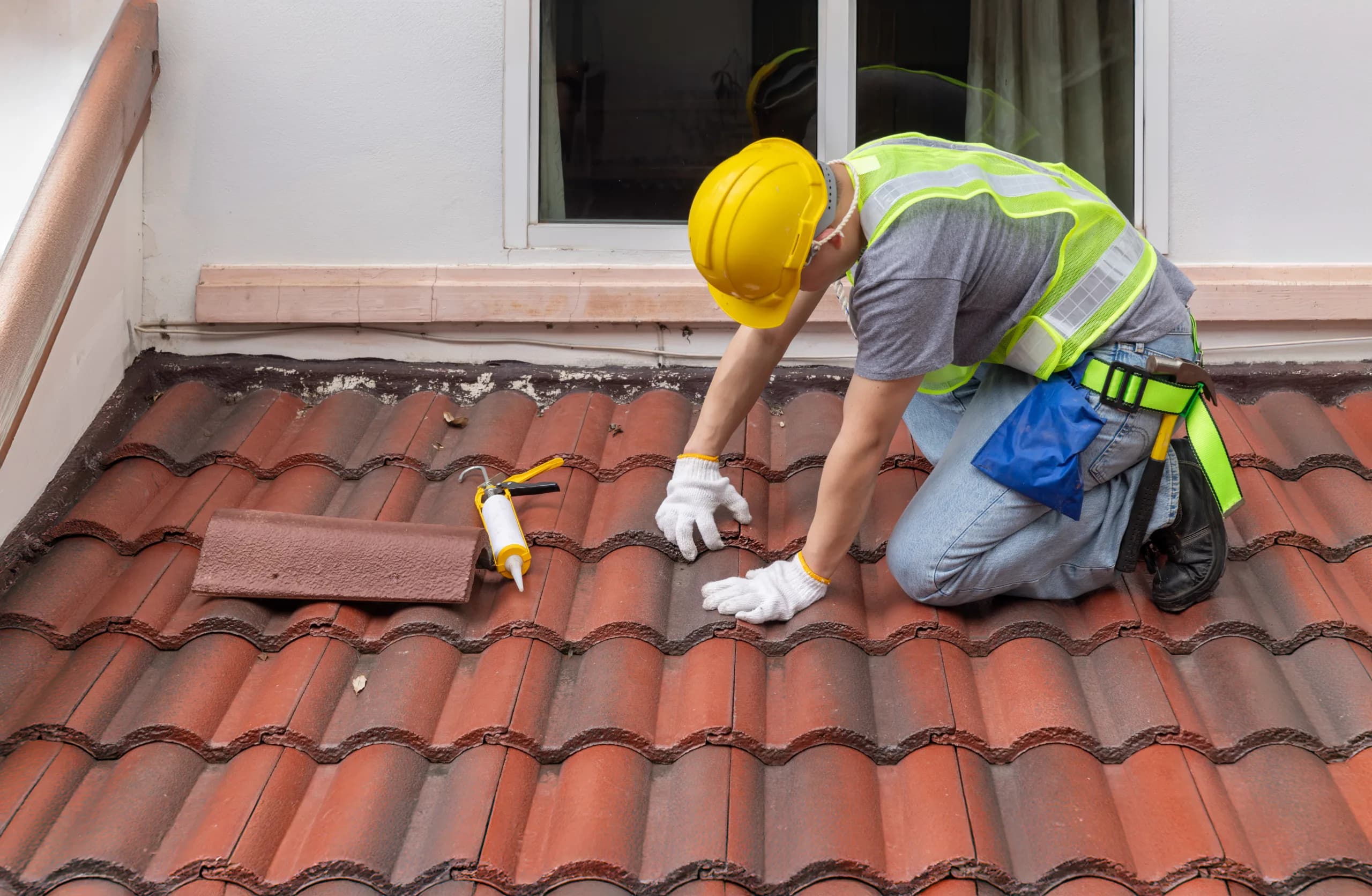
Structural changes, additions, new construction, plumbing, electrical, and mechanical work require permits. Finishing basements, removing walls, adding bathrooms, replacing windows, and re-roofing all need permits. Minor work typically doesn't: painting, flooring, cabinets (without plumbing changes), and cosmetic updates. When unsure, call Denver Development Services—working without required permits creates liability. Permit costs vary by project scope: simple electrical permits may cost $100-200, while major remodel permits can reach $2,000-5,000.
Permit Process
- Submit plans and application to Denver Development Services
- Plan review (1-4 weeks depending on complexity)
- Pay permit fees and receive approval
- Post permit card visible from street during construction
- Schedule and pass required inspections at each stage
- Receive final approval and occupancy permit
- Keep permit documents with your property records