Winter Remodeling in Denver: What Actually Works
Denver winters are a real thing. January lows of -5°F, foot of snow on a single storm, 2-week cold snaps where the house never warms. The question Denver homeowners ask every October: can I remodel in winter, or do I have to wait until spring? The answer depends entirely on scope. This guide walks through what's possible, what's not, and why winter remodeling often delivers better results than summer.
Why Winter Remodeling Has Advantages
Before listing constraints, consider what winter REMODELING offers:
Contractor availability. January-March is Denver's slowest remodeling season. Top contractors have open calendar slots they don't have in May-September. You can hire better quality crews at more competitive pricing than summer.
Indoor-only work is faster. Heated interior + no outdoor deadlines = crews focus exclusively on the work. Kitchen + bathroom + basement finishing often run 15-25% faster in winter than summer (when crews bounce between projects).
Material lead times drop. Supply chain volume is lower in winter. Custom cabinet lead times shorten from 14-18 weeks (peak summer) to 8-12 weeks (January-February order).
Permit timelines improve. Denver permit offices run faster in winter — fewer simultaneous submissions. Expect 20-30% faster approval in January vs. June.
Rebates + manufacturer promotions. Appliance manufacturers push significant discounts in January (new models arrive in Q2). Flooring + cabinet companies run February sales. A mid-winter order on a Bosch appliance package saves $2-4k vs. ordering in April.
Work That Runs Well in Winter
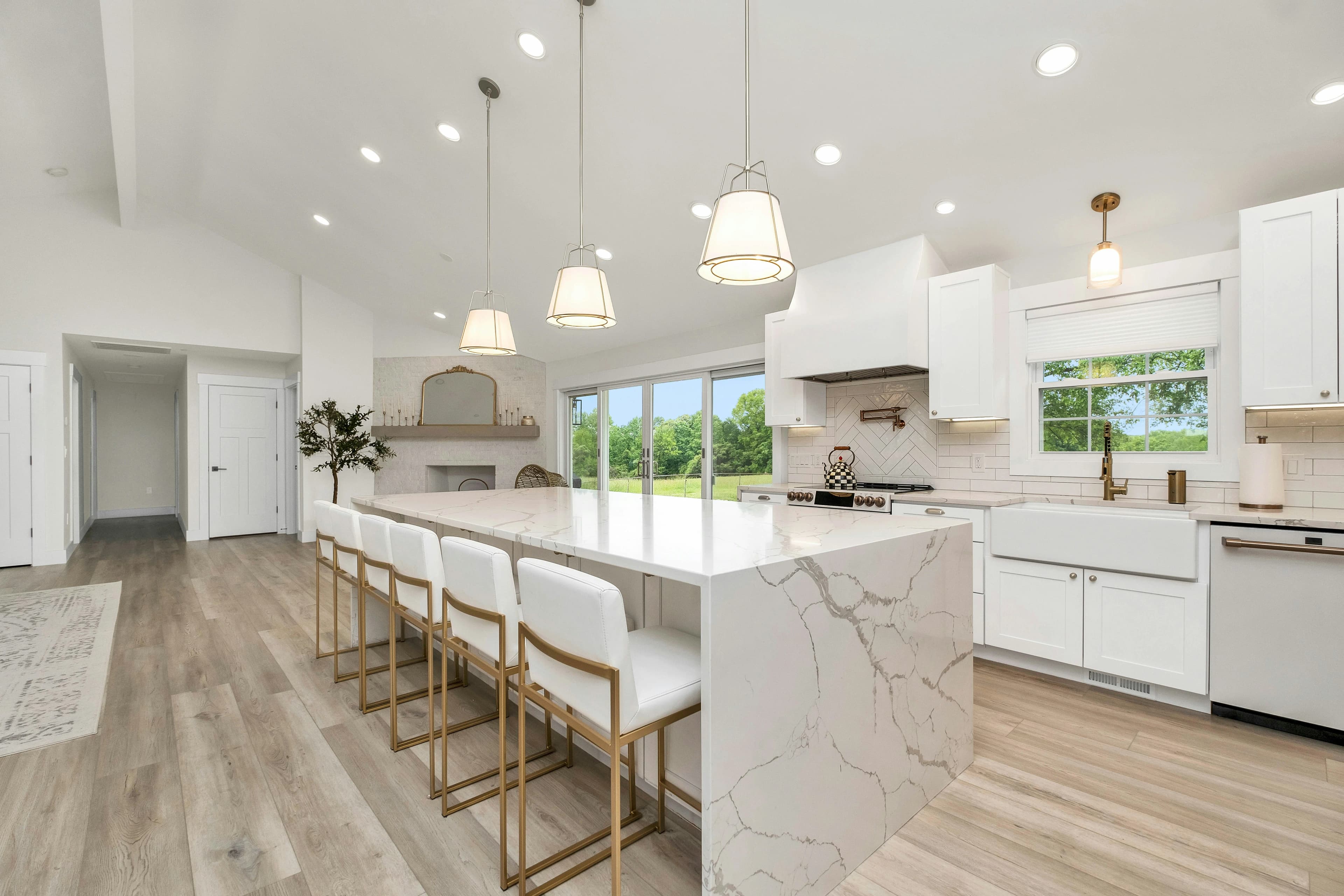
Kitchen Remodeling (✓)
All interior work. No exterior exposure needed. Gas + electrical + plumbing rough-in continues year-round. Cabinet delivery + install fine in heated interior. Counter templating + installation indoor. 12-16 week timeline unchanged from summer.
Bathroom Remodeling (✓)
Same as kitchen. All interior. 6-10 week timeline unchanged.
Basement Finishing (✓✓)
Denver basement finishing is IDEAL in winter. Basement stays climate-stable; no humidity interference with drywall or finish. Egress window installations need foundation cutting — possible but slower in freeze (budget 1-2 weeks extra for that specific step).
Pop-Top Additions (⚠️)
Challenging but possible. Issues:
- Existing roof tear-off exposes interior to weather during the 2-4 week framing phase. Temporary roofing + moisture barriers required.
- Concrete foundation work pauses below 40°F air temp for certain days. Footings can pour with cold-weather additives + blankets but contractor schedule weeks are lost.
- Framing crews productive down to ~20°F. Below that, heating rental + crew comfort slow work.
Net: pop-tops are possible January-March but budget 3-4 weeks longer timeline + $5-8k extra for weather protection.
Whole-Home Remodels (✓ for interior / ⚠️ for exterior)
Gut renovations that stay INSIDE are straightforward. Anything that involves re-siding, roof replacement, or exterior work pauses/slows dramatically in extreme cold.
Additions (⚠️)
Similar to pop-tops. Foundation + framing is the slow phase; once weather-tight, interior work proceeds normally.
Work That DOESN'T Run Well in Winter
Exterior Paint, Stain, Siding
Requires 50°F+ ambient + humidity control. Denver averages 3-5 days/month at that threshold in January-February. Queue for April-May.
Concrete Pouring for Driveways + Patios
Heavy reinforcement + additives needed. Not cost-effective. Queue for April+.
Roofing (Mostly)
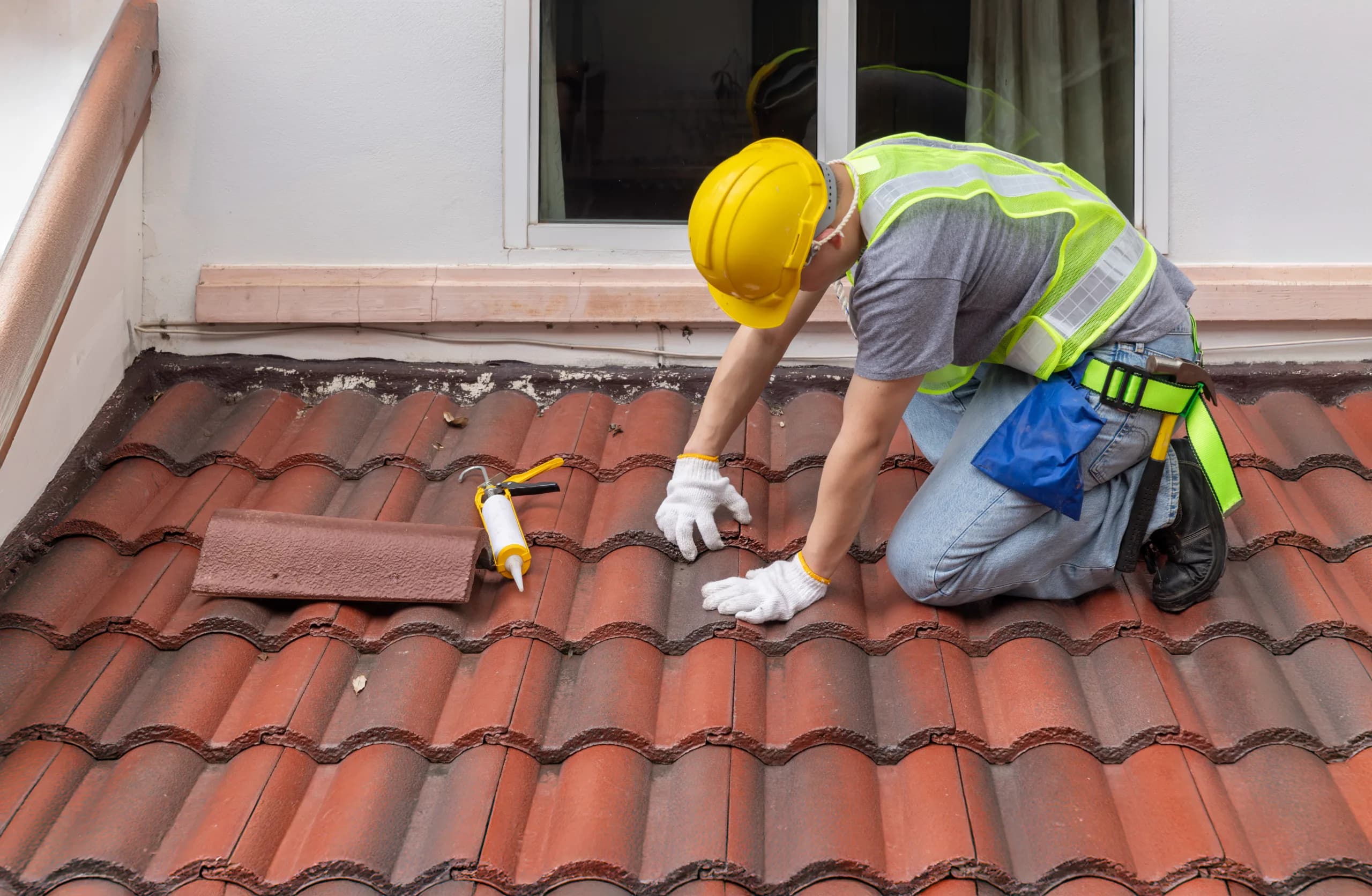
Possible for emergency repairs. Not practical for full re-roof in January due to sealant cure times + worker safety at -5°F. Most Denver roofers stop new roof projects December-February.
Deck Building
Outdoor work. Frost depth + footing curing. Queue for April+.
Foundation Repair/Waterproofing
Excavation in frozen ground adds 30-50% labor cost. Queue for April+.
Outdoor Living Features (Kitchens, Fire Features)
Stone + concrete work + gas line runs outside. Queue for April+.
Planning a Winter Remodel
October-November: Design + Contract
- Architect/designer engaged
- Scope + budget locked
- Signed contract with winter start date
- Permits submitted
December: Material Orders + Permit Approval
- Cabinets ordered (8-12 week lead = February delivery)
- Appliances ordered
- Permits approved
January-February: Demo + Rough
- Demo (week 1-2)
- Framing changes + rough MEP (week 3-6)
- Inspections passed
- Insulation + drywall (week 7-8)
March-April: Finish
- Flooring
- Cabinets + counters
- Fixtures + appliances
- Final inspection + punch list
Standard 12-16 week timeline. Same as summer.
Cost Considerations
Most contractors offer winter discounts 5-10% vs. peak season (May-September). Some offer bigger discounts on interior-only scopes. Manufacturer discounts on appliances + materials reduce material cost 3-7%.
Net winter remodel discount vs. summer: often 10-15%.
On a $80,000 kitchen remodel, that's $8,000-12,000 in savings.
Reasons to Wait Until Spring
- Scope involves exterior work (siding, roofing, windows, paint)
- You want to entertain outdoors during construction (unlikely anyway)
- You're working with a non-Denver-experienced contractor who may mismanage winter protocols
- You want all phases visible/active simultaneously (winter crews are often smaller + more sequential)
Reasons to START NOW
- Interior-only remodel (kitchen, bath, basement)
- Want access to top-tier contractors who are booked in summer
- Budget benefits from winter discount
- Timeline urgency — move-in by June
Peak Builders Denver runs winter projects every year. 15-20 interior remodels between November-March typically. Licensed Colorado GC, 5-year workmanship warranty, BBB A+. Call (720) 772-7567 for a winter consultation.