Denver Pop-Top Addition Guide: Costs, Timeline, ROI (2026)
Pop-tops — adding a full second story to a single-story Denver home — are the highest-ROI renovation type available in the Denver metro area. A 700-1,000 sq ft pop-top on a 1950s Park Hill ranch, 1920s Wash Park bungalow, or 1960s Arvada rancher typically adds $250,000-$420,000 in appraised value on $280,000-$500,000 construction cost — and gives your family another 2-3 bedrooms + bathroom + primary suite. This guide walks through what's involved, real costs, Denver permit reality, and the hard tradeoffs you need to know before committing.
Why Pop-Tops Work So Well in Denver
Three Denver-specific factors:
1. Single-story housing stock + lot-constrained neighborhoods. Most Wash Park, Platt Park, Park Hill, Washington Park West, and Arvada/Lakewood lots don't have room for horizontal additions without eating the backyard. Going UP keeps the yard intact.
2. Established-neighborhood premium. A 1,400 sq ft bungalow in Wash Park isn't selling at a meaningful price. Turn it into a 2,400 sq ft 4-bedroom home with primary suite and it matches the premium market.
3. Original foundation + lot premium. Denver land is valuable; Denver foundations from 1940s-1970s are typically solid. Pop-tops leverage existing foundation + land value rather than rebuilding.
What "Pop-Top" Actually Means
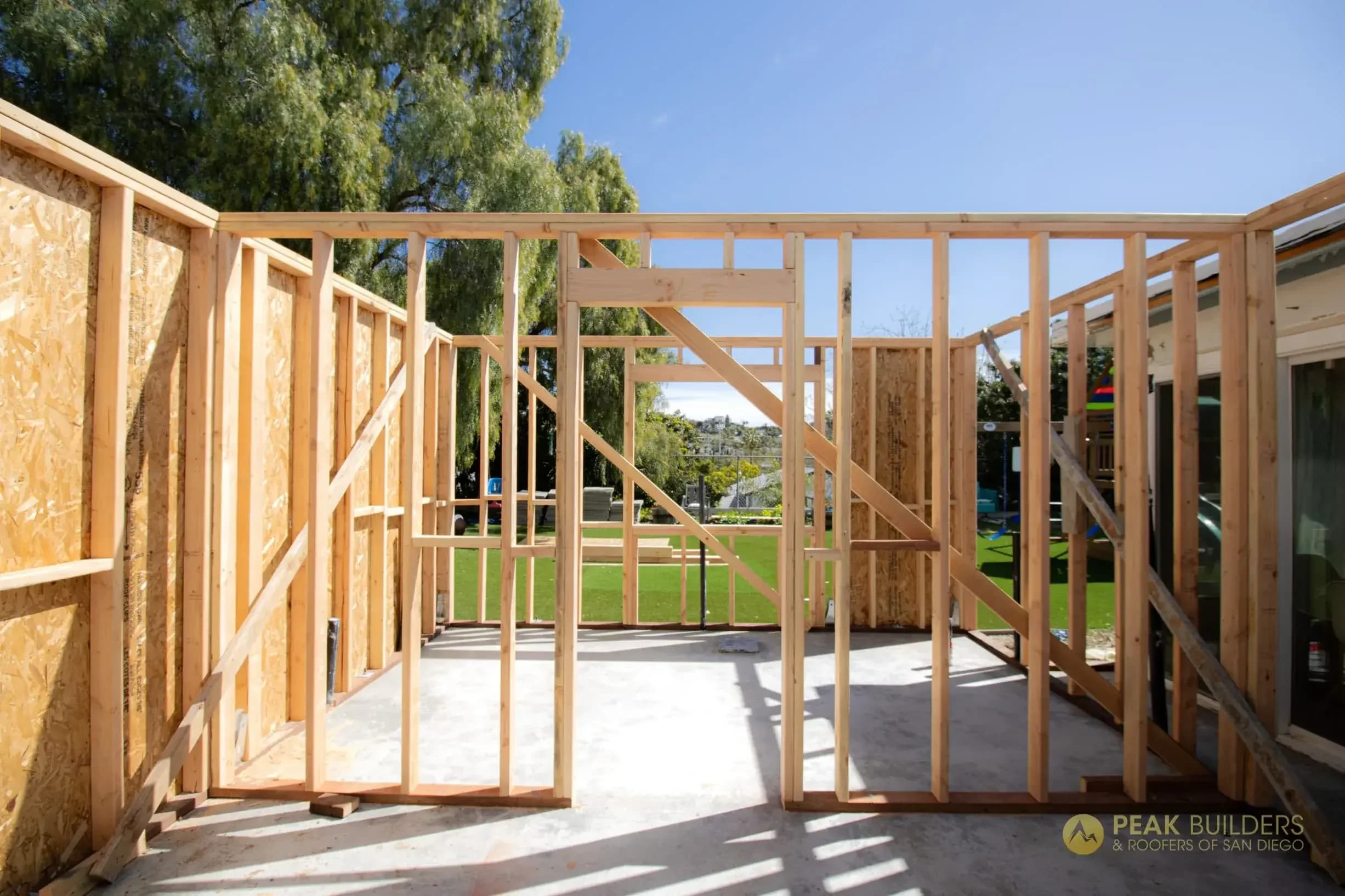
A pop-top is a complete second-story addition. Your existing single-story home's roof is removed; new second-floor framing is built on top; a new roof is constructed over that.
This is NOT the same as:
- Finished attic (just finishing existing space up there)
- Dormers (small addition within existing roofline)
- Additional floor above garage only (narrower in scope)
True pop-tops add 600-1,500 sq ft of brand-new upstairs living space.
The Tradeoffs (Honest Version)
Pros:
- 80-120% ROI in most Denver zip codes
- Preserves your lot, neighborhood, school district, commute
- Often cheaper than comparable-size move (no buy/sell costs, no capital gains trigger on above-$500k gain)
- Keeps you in neighborhoods where new equivalent construction is impossible
Cons:
- Must move out during active framing (2-8 weeks minimum)
- 5-7 month construction timeline
- Permit + design adds 3-6 months before you break ground
- 30-50% of jobs require foundation reinforcement (rarely planned for in initial quotes)
- HVAC system almost always needs replacement/upgrade
- Total disruption to your life for 6-9 months
Who shouldn't pop-top:
- Short-term owners (5 years or less) — ROI realized at sale
- Homes where current value is already at neighborhood ceiling
- Homes with significant structural issues (foundation, framing rot)
- Tight budgets that won't accommodate the 30-50% cost overrun potential
Denver Zoning Reality
Most Denver single-family zones allow pop-tops by-right (no variance needed). Key zoning rules:
Setbacks: Your second story must meet zoning setback from lot lines (5 ft side, 15-20 ft rear typically). If your first floor is already built on the setback line (very common in older Wash Park lots), your second floor footprint must be smaller.
Height limits: Most SF zones allow up to 30-35 ft building height. Pop-top construction typically fits within this, but some zones are limited to 25 ft.
Lot coverage: Some zones cap total lot coverage; pop-tops don't change footprint but may be governed by other rules.
Historic overlay: Wash Park, Country Club, parts of Capitol Hill + Cherry Creek have LPC review for exterior changes. Adds 4-10 weeks to permit + may require design adjustments to match historic character.
Neighborhood design review: Some HOAs + neighborhood organizations have design guidelines. We provide submittal packages.
The Engineering Requirement
Your foundation was NOT designed for a second story. 70% of pop-top projects require foundation reinforcement. Options:
- Footings only: Extending existing footings to handle added load
- Pier + beam: Adding piers in strategic locations
- Full foundation replacement: Rare but possible if original foundation has issues
Budget $8,000-$25,000 for foundation reinforcement. Structural engineer involved throughout — $5-10k engineering fee alone.
Similarly, existing floor joists aren't rated for second-story load. New 2x10 or 2x12 joists + LVL beams spanning the new floor = $15-25k just for the structural intermediate-floor work.
Full Cost Breakdown (Typical 800 sq ft Pop-Top, $350k Budget)
| Component | Cost |
|---|---|
| Design + engineering + permits | $14,000 |
| Foundation reinforcement | $18,000 |
| Existing roof demolition | $8,500 |
| New floor framing (joists + LVL) | $22,000 |
| Second-floor wall framing | $20,000 |
| New roof framing + sheathing | $18,000 |
| Windows + exterior doors | $18,000 |
| Roofing (new upstairs + match existing) | $16,000 |
| Exterior siding + paint | $22,000 |
| HVAC (full upgrade + new ductwork) | $22,000 |
| Electrical service upgrade + new rough | $18,000 |
| Plumbing rough (new baths) | $14,000 |
| Insulation | $8,500 |
| Drywall + texture + paint (new floor + patch existing) | $28,000 |
| Flooring (new + match existing) | $18,000 |
| Cabinets + counters (new baths + laundry) | $24,000 |
| Interior doors + trim + hardware | $12,000 |
| Labor + GC | $47,000 |
| Total | $347,500 |
Ranges per scope:
- 600 sq ft pop-top: $220,000-$320,000
- 800-900 sq ft: $280,000-$380,000
- 1,000-1,200 sq ft: $340,000-$480,000
- 1,200+ sq ft with high-end finishes: $450,000-$600,000+
Living Situation During Construction
Most clients move out during active framing (the 2-4 week period when your home has no roof and new floor+walls are going up). Options:
- Short-term rental (Airbnb)
- Stay with family
- Corporate housing
Budget $3-5k/month for temporary housing during active framing. Post-framing (roof back on, weather-tight), you can move back in — with noise + dust but livable.
Timeline
- Month 1-2: Design + engineering + initial consultation
- Month 3: Architect drawings + structural plans + permit application
- Month 4-5: Permit approval (Denver 6-10 weeks typical; Wash Park/historic 8-12 weeks)
- Month 5: Foundation work + prep
- Month 6: Demo of existing roof + framing new floor
- Month 7: Framing second floor + new roof
- Month 8-9: Rough MEP (electrical, plumbing, HVAC)
- Month 9-10: Insulation + drywall + exterior siding
- Month 11-12: Finish work (flooring, cabinets, fixtures)
- Month 13: Final inspections + punch list + move back in
Total: 12-14 months from signed contract to completion. Can compress to 10 months for simpler scope in suburbs; extends to 16 months for historic Wash Park with LPC review.
Financing
Most pop-top clients finance via:
- HELOC — $100-400k draw against home equity, current Denver-area rates 7-9%
- Cash-out refinance — if current mortgage rate is already high
- Construction-to-permanent loan — converts to long-term mortgage after completion
- Personal loans for smaller portion — not recommended for primary funding
We refer to Colorado credit unions (Elevations, Westerra, Premier Members) with fast HELOC approvals.
When It's Worth It
Pop-top math works when:
- You plan to stay 7+ years
- Neighborhood supports higher values (not already at ceiling)
- Your family needs the additional space
- Budget can absorb a 15-25% overrun cushion
Pop-top math DOESN'T work when:
- Moving within 3 years
- Neighborhood is already at ceiling (Cherry Creek North luxury for example)
- Foundation is problematic (triggers rebuild instead)
Getting Started
Free on-site consultation covers:
- Structural feasibility (foundation + existing framing assessment)
- Zoning check (setbacks, height, overlay)
- Rough layout options + preliminary design
- Budget range + timeline estimate
- Tradeoff analysis vs addition or move
Peak Builders Denver has completed 25+ Denver pop-tops. Licensed Colorado GC, 5-year workmanship warranty, full engineering + permit handling. Call (720) 772-7567 for a free consultation.